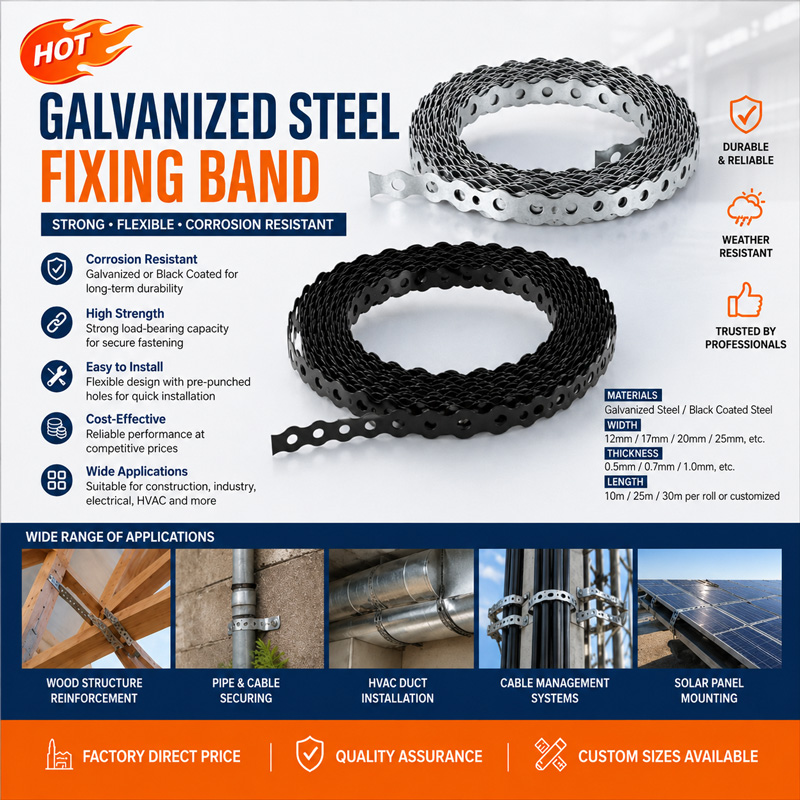
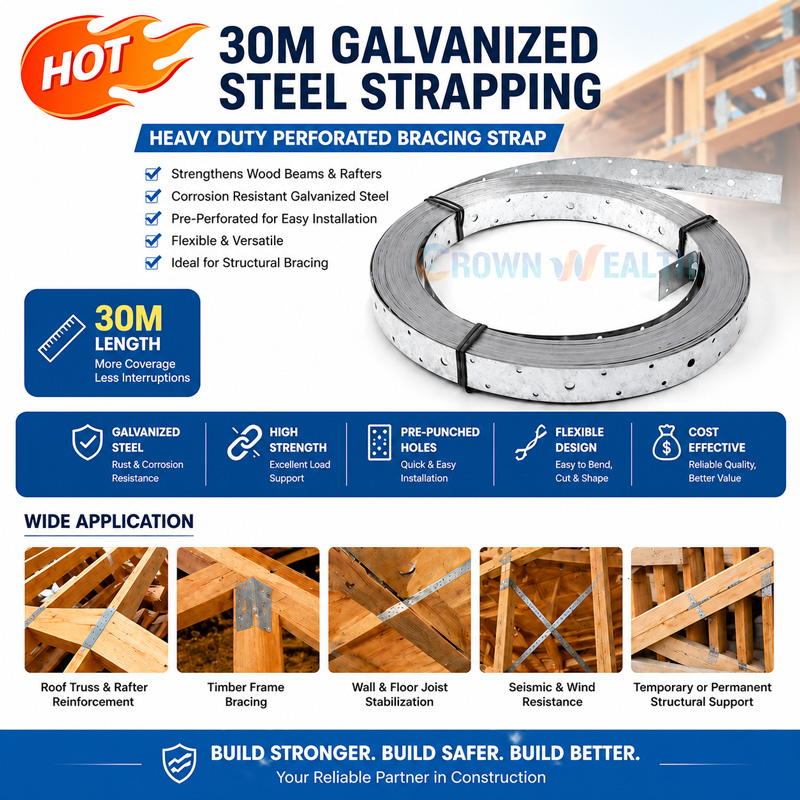
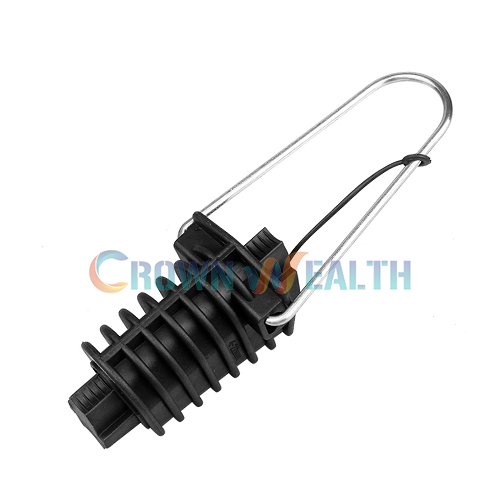
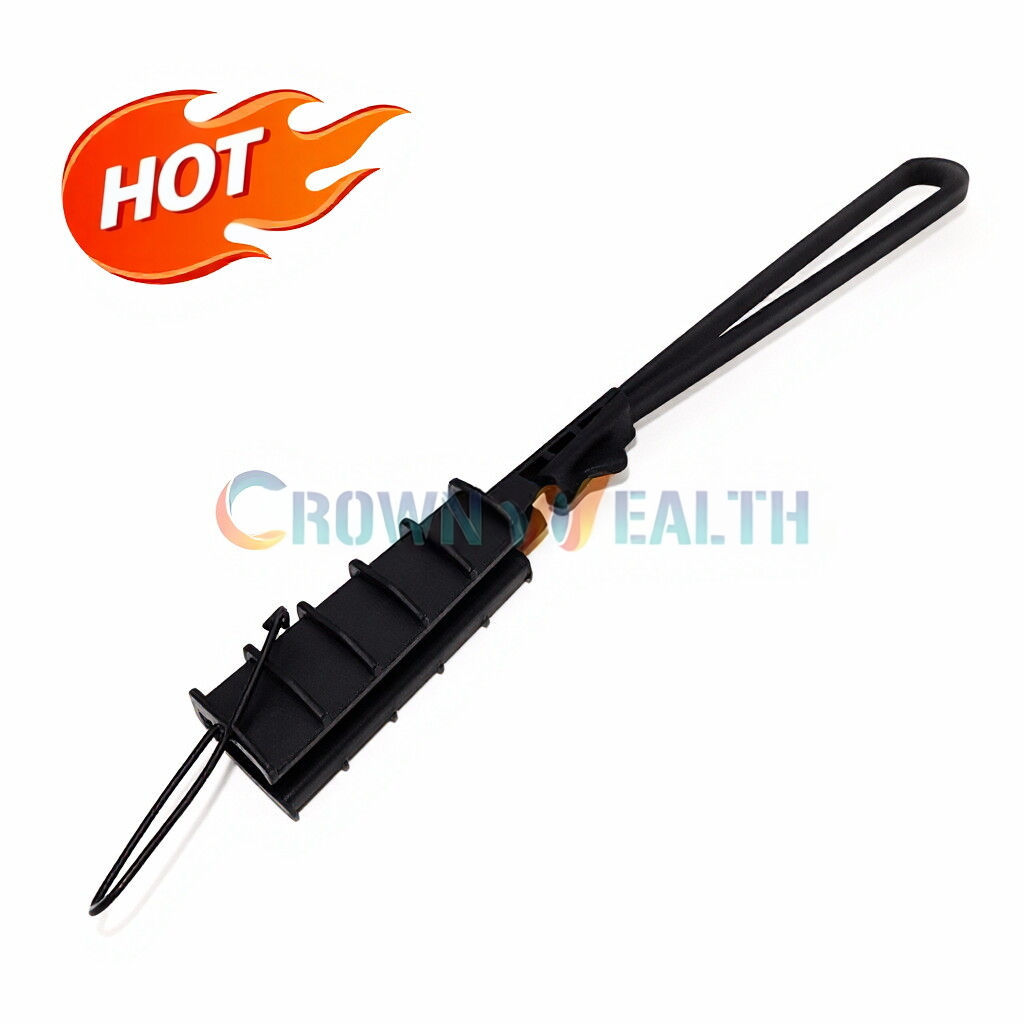
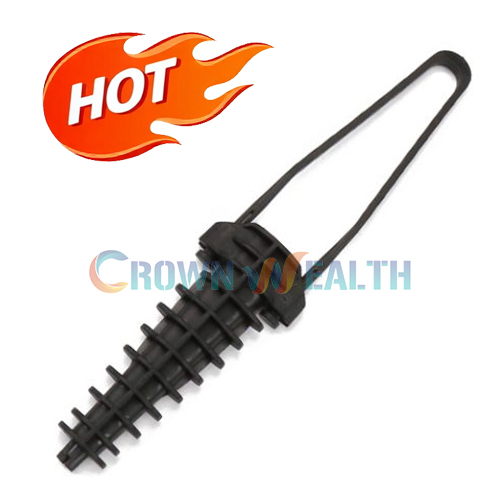
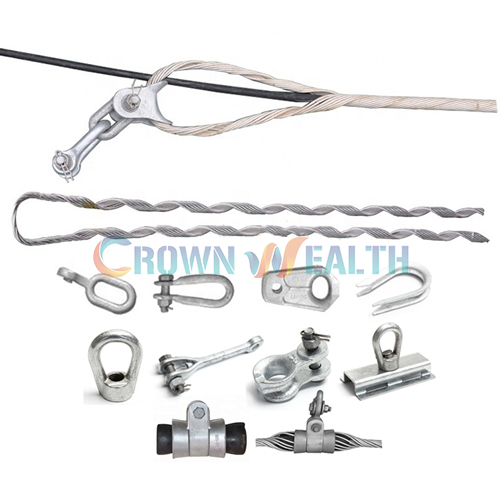
In the intricate world of fiber optic infrastructure, where data travels at the speed of light, the reliability of a network often hinges on components that are rarely seen or celebrated. Among these unsung heroes, heavy-duty fiber optic clamps play a pivotal role. These robust hardware pieces are essential for securing, supporting, and protecting fiber optic cables in both indoor and outdoor environments.
Whether you are managing a massive telecommunications backbone, setting up a data center, or installing surveillance systems, understanding the importance of high-quality heavy-duty clamps is crucial for ensuring network longevity and performance. This article explores the types, applications, key features, and benefits of these critical components.
What Are Heavy-Duty Fiber Optic Clamps?
Heavy-duty fiber optic clamps (also known as cable clamps, clips, or brackets) are specialized hardware devices designed to fasten fiber optic cables to various structures. Unlike standard clamps used for electrical wiring, these are engineered specifically for the unique properties of fiber—its brittleness, sensitivity to bending, and need for strain relief.
The term "heavy-duty" signifies their construction from durable materials and their ability to withstand significant environmental stress, physical impact, and long-term tension without degrading.
Key Applications: Where Are They Used?
The versatility of heavy-duty clamps makes them indispensable across a wide range of settings.
1. Outdoor Installations
-
Aerial Cable Deployment: Securing "messenger wire" or self-supporting ADSS (All-Dielectric Self-Supporting) cables to poles along highways or across rural areas.
-
Underground Ducts: Anchoring cables at manhole entries or within handholes to prevent pulling tension from reaching the splice cases.
-
FTTH (Fiber to the Home) Drop Cables: Connecting drop cables from the main line to residential buildings, often using ruggedized clamps that resist weathering.
-
Buried Cable Protection: Holding cables in place at transition points (e.g., where a buried cable emerges from the ground).
2. Indoor Installations
-
Data Centers & Server Rooms: Organizing and routing high-density cable bundles along ladder racks, cable trays, and overhead pathways.
-
Building Backbones: Securing riser cables as they run vertically through cable shafts or horizontally through plenum spaces.
-
Industrial Environments: Fastening cables in factories or plants where vibration, temperature fluctuations, and physical contact are common concerns.
Types of Heavy-Duty Fiber Optic Clamps
Selecting the right clamp depends entirely on the environment and the cable type. Here are the most common varieties:
|
Clamp Type |
Description |
Primary Use Case |
|---|---|---|
|
Figure-8 Clamps |
Shaped like the number 8, designed to support the messenger wire of figure-8 cables. |
Aerial installations where the cable has an integrated steel support strand. |
|
ADSS Clamps |
Designed with smooth, rounded surfaces and dielectric materials to avoid damaging all-fiber cables. |
Aerial deployment of ADSS cables on power lines or telecommunication poles. |
|
Drop Wire Clamps |
Small but strong, used to terminate the final connection to a building. |
FTTH applications, connecting the drop cable to a customer's premises. |
|
Cable Tray Clamps |
Often made of metal or plastic, designed to snap into or bolt onto cable trays and ladder racks. |
Indoor data centers and office buildings for horizontal cable management. |
|
Rod/Wall Clamps |
Simple U-shaped or saddle-style clamps used to attach cables directly to walls, beams, or rods. |
General-purpose indoor/outdoor mounting where direct attachment is needed. |
|
Suspension Clamps |
Used to hang cables from a support strand, allowing for some movement and flexibility. |
Long-span aerial runs to prevent cable sag and stress. |
Critical Features to Look For
When sourcing heavy-duty fiber optic clamps, quality cannot be compromised. Here are the non-negotiable features to consider:
-
Material Durability:
-
Outdoor: Must be constructed from galvanized steel, stainless steel, or UV-stabilized thermoplastic to resist rust, corrosion, and sun damage.
-
Indoor: Can utilize powder-coated steel or high-impact nylon, focusing more on fire rating (UL 94V-0) and low smoke zero halogen (LSZH) properties.
-
-
Smooth Interior Surface:
-
Fiber is susceptible to micro-bending, which can cause signal loss. High-quality clamps feature a smooth, non-abrasive interior lining (often rubber or plastic) to protect the cable jacket.
-
-
High Tensile Strength:
-
Heavy-duty clamps must have a high breaking load capacity (e.g., 500 lbs or more) to secure cables against wind, ice, and accidental pulling.
-
-
Dielectric Properties:
-
Especially for clamps used near power lines (like ADSS clamps), the hardware should be non-conductive to prevent electrical arcing or grounding issues.
-
-
Ease of Installation:
-
Time is money. Look for clamps that feature tool-less designs or simple bolt/nut configurations that allow for quick and secure fastening.
-
Benefits of Using High-Quality Heavy-Duty Clamps
Investing in premium clamps yields significant returns in network performance and maintenance:
-
Prevents Signal Degradation: By preventing excessive bending and crushing, clamps maintain optimal optical performance (low insertion loss).
-
Enhanced Safety: Securely fastened cables reduce trip hazards in indoor environments and prevent falling cables in outdoor aerial setups.
-
Reduced Maintenance Costs: Durable clamps last for decades, minimizing the need for replacements and repairs due to weather or physical wear.
-
Improved Organization: In dense indoor environments, proper clamping creates a clean, organized layout that simplifies troubleshooting and future upgrades.
-
Environmental Resilience: Withstands extreme temperatures (-40°C to +65°C), humidity, salt spray, and industrial pollutants.
Installation Best Practices
To maximize the effectiveness of your heavy-duty clamps:
-
Do Not Over-Tighten: Over-tightening can deform the cable, causing attenuation. Tighten until the cable is snug and immobile.
-
Allow for Expansion: In outdoor runs, leave a small service loop and ensure clamps aren't fixed so rigidly that thermal expansion/contraction causes stress.
-
Use the Right Tool: Always use the manufacturer-recommended tools for installation to ensure consistent torque and security.
-
Regular Inspection: Periodically inspect clamps for signs of corrosion, cracking, or loosening, especially after severe weather events.
Conclusion
While they may seem like minor accessories, heavy-duty fiber optic clamps are fundamental to the structural integrity of any fiber network. They are the silent guardians that protect fragile glass fibers from the harsh realities of physics and nature. By selecting the appropriate type, ensuring high manufacturing standards, and following proper installation techniques, network engineers and installers can build robust, high-performance infrastructures that stand the test of time—both indoors and out.
For your next project, remember: the strength of your network isn't just in the fiber itself, but in how securely it is held in place.