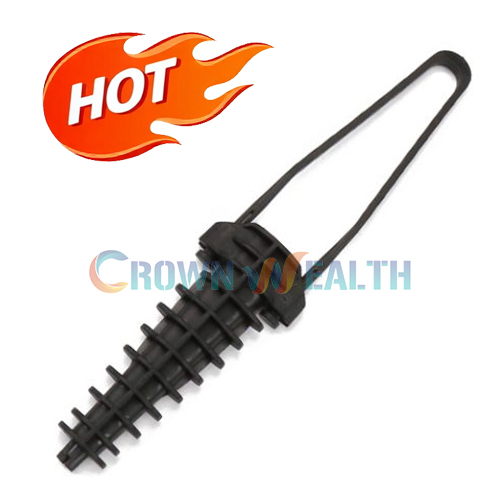
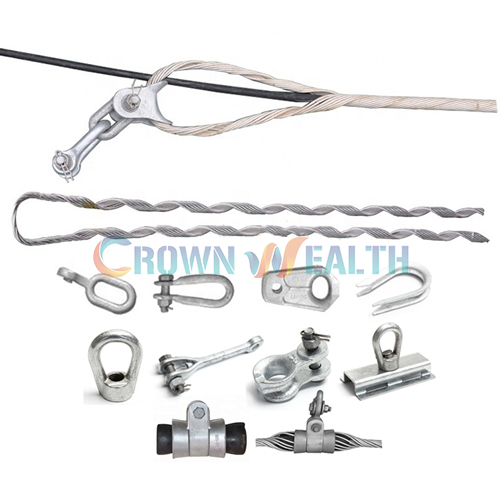
In the high-stakes world of optical network deployment—whether for FTTH (Fiber to the Home), FTTx, or large-scale telecommunications infrastructure—every component matters. Among these, the humble fiber optic clamp plays a critical role. It secures cables, manages strain, and ensures the long-term integrity of the connection.
However, with tightening project budgets and intense competitive bidding, procurement managers and engineers face a constant dilemma: How do we reduce costs without sacrificing performance?The goal isn't just to find a "cheap" supplier; it's to find a high-value supplier that offers competitive pricing while maintaining rigorous quality standards.
This guide explores the strategies, materials, and verification processes necessary to source low-cost fiber clamps effectively.
1. Understanding the True Cost of a Fiber Clamp
Before diving into supplier selection, it’s crucial to understand what drives the cost of a fiber clamp. A low price tag is meaningless if the product fails prematurely.
Key cost drivers include:
-
Raw Materials: The type of metal (stainless steel vs. galvanized steel), the grade of plastic (UV-resistant ABS vs. standard PVC), and the quality of rubber inserts.
-
Manufacturing Process: Precision stamping vs. laser cutting; injection molding tolerances.
-
Corrosion Resistance: Surface treatments like hot-dip galvanizing, electro-galvanizing, or powder coating add cost but are essential for longevity.
-
Certifications & Testing: Compliance with Telcordia GR-3155, RoHS, REACH, and ISO 9001 adds value and cost.
A truly "low-cost" solution optimizes these factors, not eliminates them.
2. Key Types of Fiber Clamps and Their Price Points
Different applications allow for different levels of cost-saving. Knowing which clamp suits which scenario is the first step to smart budgeting.
|
Clamp Type |
Common Application |
Potential for Cost Reduction |
Risk Level if Quality is Poor |
|---|---|---|---|
|
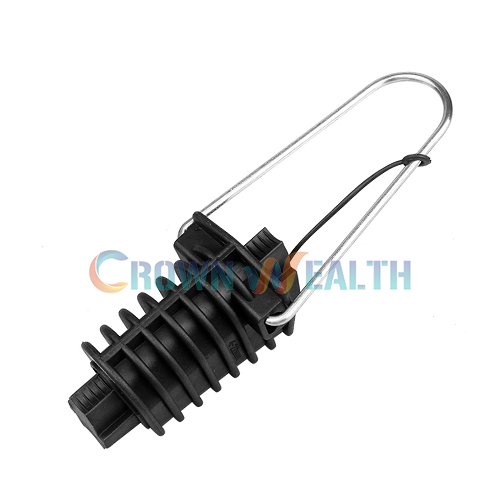
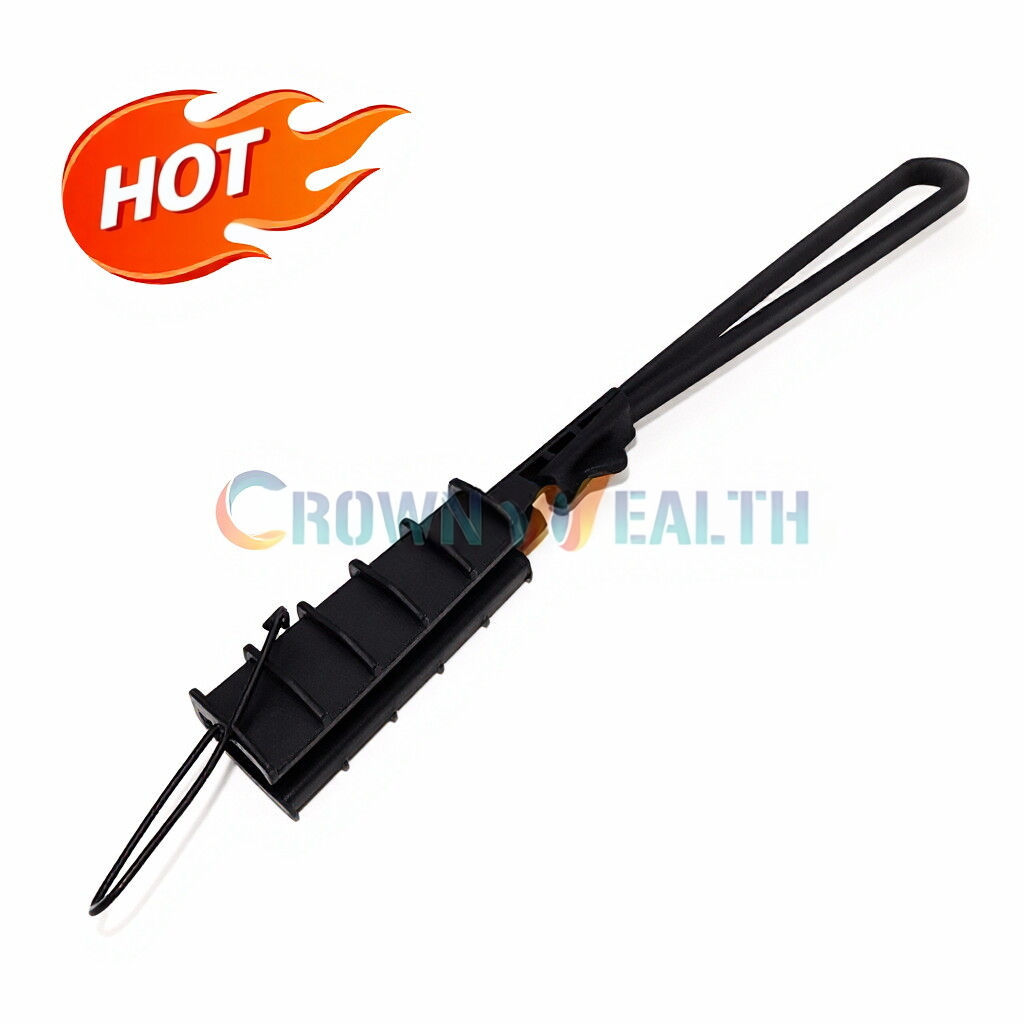
Drop Wire Clamps |
Securing FTTH drop cables to poles or walls. |
High. High-volume manufacturing allows for economies of scale. |
Medium. Can cause cable deformation or slippage. |
|
Pole Line Clamps / Dead End Clamps |
Terminating messenger wire or figure-8 cable. |
Medium. Requires robust metalworking. |
High. Failure can lead to catastrophic line drops. |
|
Cable Ties / Lashing Clamps |
Bundling and securing cables along spans. |
Very High. Simple injection molding. |
Low to Medium. May become brittle in cold/UV exposure. |
|
Suspension Clamps |
Supporting ADSS or OPGW cables on towers. |
Low. Requires precise engineering for tensile strength. |
Very High. Critical structural component. |
Strategic Insight: Focus your cost-cutting efforts on high-volume, non-critical components like drop wire clamps and cable ties, where reputable generic suppliers can match the performance of premium brands. For suspension or dead-end clamps, prioritize certified quality over minor price differences.
3. How to Identify a Quality Supplier Offering Competitive Prices
Finding a supplier who masters the "low-cost, high-quality" balance requires looking beyond the initial quote. Here’s what to investigate:
A. Manufacturing Location & Vertical Integration
Suppliers based in major manufacturing hubs (e.g., China, Vietnam, Eastern Europe) often have lower labor and operational costs. However, the key is vertical integration.
-
Look for: Suppliers who own their injection molding machines and metal stamping workshops.
-
Why: Eliminating middlemen for raw materials and processing drastically reduces costs while giving the factory direct control over quality.
B. Material Substitution (The Smart Way)
A good supplier won't cheapen the product; they'll optimize the material.
-
Example: Using 304 stainless steel instead of 316 stainless steel for indoor or non-coastal applications can cut costs by 15-20% without significant loss of corrosion resistance.
-
Example: Using UV-stabilized ABS plastic instead of more expensive Polycarbonate (PC) where high impact resistance isn't critical.
C. Bulk Production & Standardization
The lowest unit prices come from standardized, high-volume production runs. Avoid custom designs unless absolutely necessary. Suppliers offering a wide range of standard, off-the-shelf clamps (e.g., various sizes for 2mm to 16mm cables) will almost always be cheaper than those building to your unique blueprint.
4. The Non-Negotiable Quality Checklist
When sourcing low-cost clamps, you must perform due diligence. Insist on the following from any potential supplier:
-
Material Certification: Request a Mill Test Report (MTR) for metals and a material safety data sheet (MSDS) for plastics.
-
Sample Testing: Always order samples before placing a bulk order. Test them yourself:
-
Tensile Strength Test: Apply force to the clamp to ensure it meets the rated load (e.g., 200N, 400N).
-
Salt Spray Test: If for outdoor use, check for rust after 48-96 hours in a salt spray chamber (or request the supplier's test report).
-
Temperature Cycling: Ensure the plastic doesn't crack in cold weather (-40°C) and the rubber doesn't ooze in heat (+70°C).
-
-
Third-Party Audits: Check if the factory has been audited by third parties (e.g., SGS, Bureau Veritas) or holds ISO 9001 certification. This is non-negotiable for serious projects.
5. Top Regions for Low-Cost, Quality Fiber Clamp Sourcing
While many countries produce fiber hardware, a few regions stand out for balancing cost and capability:
-
China: The global leader in volume. Cities like Ningbo and Shenzhen are hubs for telecom accessories. You can find everything from basic clamps for $0.10/piece to complex engineered hardware. The key is vetting suppliers carefully.
-
India: A growing market with competitive pricing, especially for drop wire clamps and related accessories.
-
Eastern Europe (e.g., Poland, Czech Republic): Offers higher price points than Asia but provides easier logistics for EU projects and strong quality adherence to CE standards.
6. Red Flags: When a "Low Cost" Becomes a Hidden Expense
Be wary of quotes that seem too good to be true. These are classic signs of trouble:
-
Unrealistic MOQs: A supplier willing to sell 50 pieces at a bulk price might be offloading excess stock or seconds.
-
No Engineering Drawings: They cannot provide technical datasheets or CAD drawings.
-
Vague Material Descriptions: Using terms like "steel" without specifying "galvanized carbon steel" or "stainless steel 304."
-
Lack of Warranty: Reputable suppliers stand behind their products with at least a 1-2 year warranty.
Conclusion: Building a Sustainable Supply Chain
Sourcing low-cost fiber clamps without compromising quality is not about finding the cheapest bidder; it's about finding a strategic partner. By focusing on standardized designs, verifying material quality through testing, and prioritizing suppliers with vertical integration, you can significantly reduce your BoM (Bill of Materials) costs.
Invest the time upfront to qualify your supplier, and you will build a resilient supply chain that delivers reliable network performance without breaking the bank.