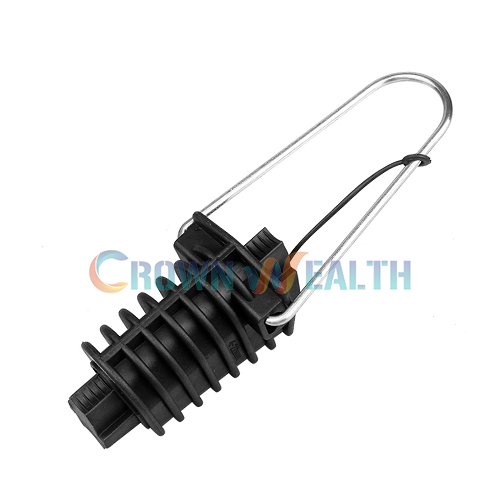
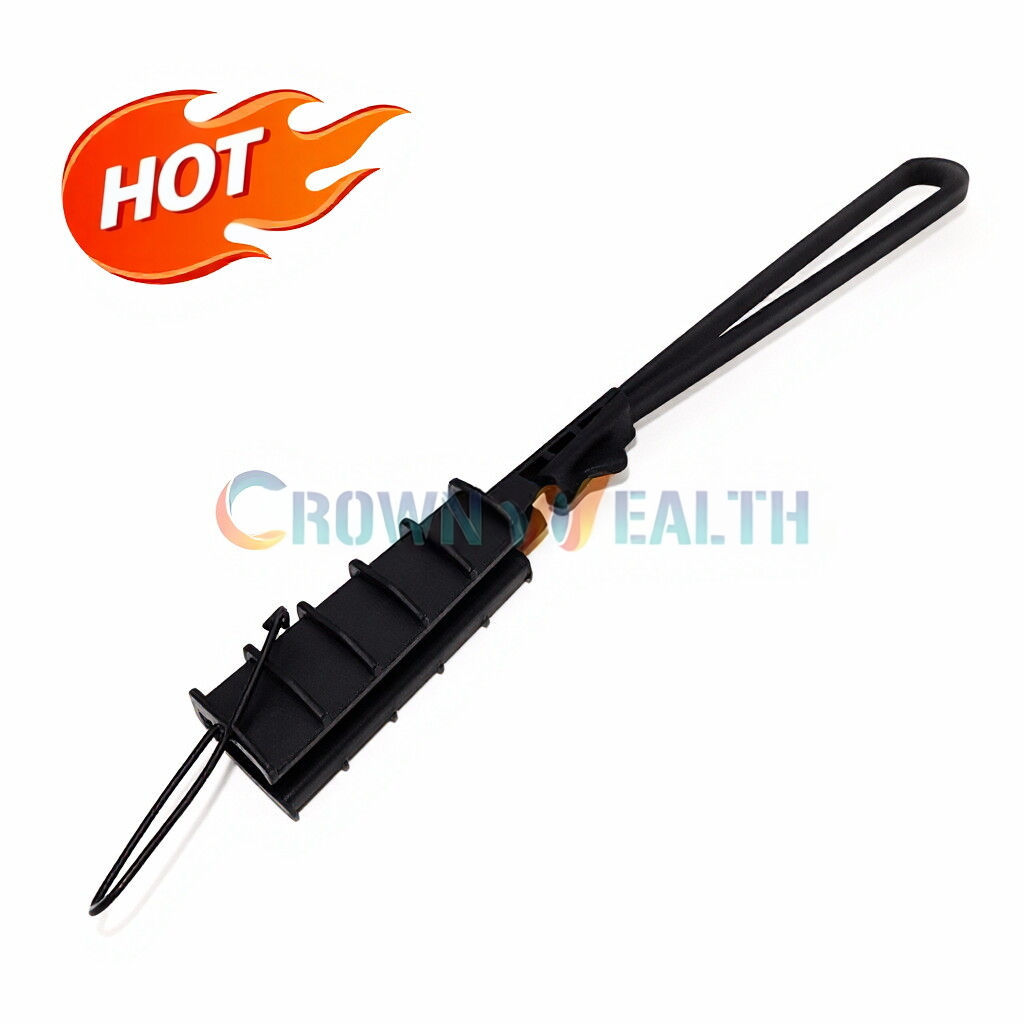
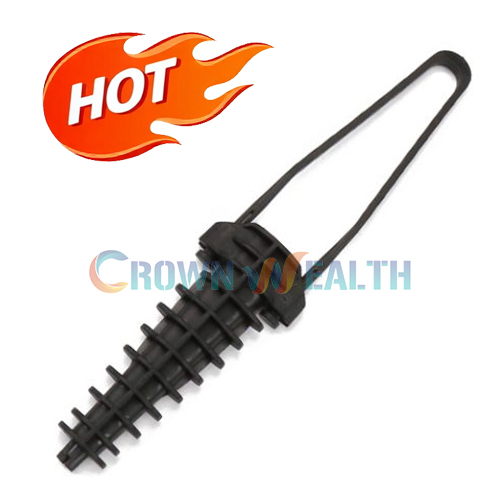
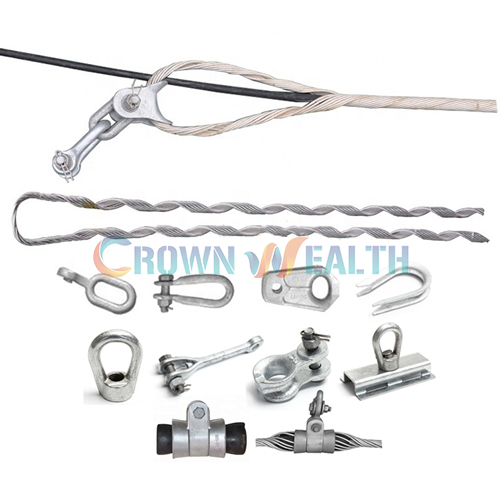
As a seasoned link fitting supplier, I've witnessed firsthand the critical role that proper lubrication plays in the performance and longevity of these essential components. Link fittings, which include a wide range of products such as Double Yoke Plates, UB-Type Clevis, and QH Ball Eyes, are used in various industries, from construction and manufacturing to automotive and aerospace. In this blog post, I'll delve into the lubrication requirements for link fittings, exploring why lubrication is necessary, the types of lubricants suitable for different applications, and the best practices for lubricating link fittings.


Why Lubrication is Necessary for Link Fittings
Link fittings are subject to constant friction and wear due to the movement and load they endure. Without proper lubrication, these components can experience accelerated wear, leading to premature failure, increased maintenance costs, and potential safety hazards. Lubrication serves several crucial functions in link fittings:
- Reducing Friction: Friction is the enemy of any moving part. By applying a lubricant between the surfaces of a link fitting, we can significantly reduce the friction coefficient, allowing the components to move smoothly and efficiently. This not only improves the overall performance of the link fitting but also reduces energy consumption.
- Preventing Wear: Friction can cause the surfaces of link fittings to wear down over time, leading to dimensional changes and loss of functionality. Lubrication forms a protective film between the surfaces, preventing direct metal-to-metal contact and minimizing wear. This extends the service life of the link fitting and reduces the need for frequent replacements.
- Corrosion Protection: Link fittings are often exposed to harsh environmental conditions, such as moisture, chemicals, and saltwater. These elements can cause corrosion, which can weaken the structure of the fitting and compromise its performance. Lubricants can provide a barrier against corrosion, protecting the link fitting from the damaging effects of the environment.
- Noise Reduction: Friction and wear can also generate noise during the operation of link fittings. By reducing friction and wear, lubrication can help to minimize noise levels, creating a more comfortable and safe working environment.
Types of Lubricants for Link Fittings
The choice of lubricant for link fittings depends on several factors, including the application, operating conditions, and the material of the fitting. Here are some common types of lubricants used for link fittings:
- Mineral Oils: Mineral oils are the most commonly used lubricants for link fittings. They are derived from crude oil and offer good lubricity, wear protection, and corrosion resistance. Mineral oils are suitable for a wide range of applications, including general industrial use, automotive, and marine.
- Synthetic Oils: Synthetic oils are formulated from chemically synthesized compounds and offer superior performance compared to mineral oils. They have better thermal stability, oxidation resistance, and low-temperature properties, making them ideal for high-temperature and high-speed applications. Synthetic oils are also more resistant to degradation, which means they can provide longer-lasting lubrication.
- Greases: Greases are a semi-solid lubricant that consists of a base oil and a thickening agent. They offer excellent adhesion and can stay in place even under high loads and vibrations. Greases are suitable for applications where oil leakage is a concern, such as in sealed link fittings or in environments with high dust or dirt levels.
- Dry Lubricants: Dry lubricants, such as graphite and molybdenum disulfide, are solid lubricants that can be applied in a dry form. They offer excellent lubrication at high temperatures and in environments where liquid lubricants are not suitable, such as in vacuum or high-speed applications. Dry lubricants can also provide good corrosion protection and are often used in applications where cleanliness is a priority.
Best Practices for Lubricating Link Fittings
Proper lubrication of link fittings is essential to ensure their optimal performance and longevity. Here are some best practices for lubricating link fittings:
- Clean the Fittings: Before applying a lubricant, it's important to clean the link fittings thoroughly to remove any dirt, debris, or old lubricant. This can be done using a solvent or a degreaser, followed by a rinse with clean water and drying.
- Apply the Lubricant Correctly: The lubricant should be applied evenly to the surfaces of the link fitting. For oil lubrication, we can use a brush, a spray gun, or a drip system to apply the oil. For grease lubrication, we can use a grease gun to inject the grease into the fitting. It's important to apply the right amount of lubricant, as too much or too little can affect the performance of the fitting.
- Follow the Manufacturer's Recommendations: Different link fittings may have specific lubrication requirements, so it's important to follow the manufacturer's recommendations regarding the type of lubricant, the lubrication interval, and the application method. This will ensure that the link fitting is lubricated correctly and that its performance is not compromised.
- Monitor the Lubrication Condition: Regularly monitor the lubrication condition of the link fittings to ensure that the lubricant is still effective. This can be done by checking the lubricant level, the appearance of the lubricant, and the performance of the link fitting. If the lubricant shows signs of degradation or contamination, it should be replaced immediately.
Conclusion
Proper lubrication is essential for the performance and longevity of link fittings. By understanding the lubrication requirements of link fittings and following the best practices for lubrication, we can ensure that these components operate smoothly, efficiently, and safely. As a link fitting supplier, I'm committed to providing high-quality products and technical support to our customers. If you have any questions or need assistance with the lubrication of your link fittings, please don't hesitate to contact us. We're here to help you find the right solutions for your specific needs.
References
- ASTM International. (2019). Standard Classification System for Industrial Lubricants. ASTM D2422-19.
- Machinery's Handbook 31st Edition. Industrial Press Inc., 2016.
- Tribology Handbook. CRC Press, 2001.