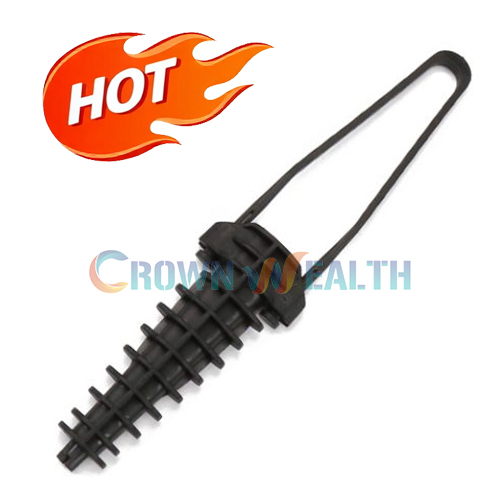
Picking the right size of helical guy grips is super important, whether you're setting up a small antenna or a big transmission line. As a supplier of helical guy grips, I've seen firsthand how crucial it is to get the sizing spot - on. In this blog, I'll share some tips on how to choose the perfect size for your needs.
Understanding Helical Guy Grips
First off, let's quickly go over what helical guy grips are. They're used to secure guy wires, which are cables that provide support to structures like towers, poles, and antennas. These grips wrap around the guy wire in a helical shape, creating a strong and reliable connection. They're popular because they're easy to install and offer excellent grip strength.
There are different types of applications for helical guy grips. For example, in the telecom industry, they're used to support cell towers. In the power transmission field, they help keep transmission lines stable. The size of the grip you need can vary depending on the specific application.
Factors to Consider When Choosing the Size
Guy Wire Diameter
The diameter of the guy wire is the most basic factor you need to look at. The grip has to fit snugly around the wire to work properly. If the grip is too big, it won't hold the wire firmly, and the connection can come loose over time. On the other hand, if it's too small, you might damage the wire while trying to install the grip.
To measure the guy wire diameter accurately, use a caliper. Make sure to take measurements at a few different points along the wire, as the diameter can vary slightly. Once you have the diameter, you can refer to the manufacturer's sizing chart. Most manufacturers list the recommended wire diameters for each size of their helical guy grips.
Load Requirements
Another key factor is the load that the guy wire will be under. This includes the weight of the structure it's supporting, as well as any external forces like wind or ice. If you're in an area with high winds or heavy snowfall, you'll need a grip that can handle a higher load.
You can calculate the load requirements based on engineering standards and the specific conditions of your project. For example, if you're supporting a tall tower in a windy coastal area, you'll need to account for the aerodynamic forces acting on the tower. Once you know the load, you can choose a grip that has a suitable load - rating.
Installation Environment
The environment where you'll be installing the helical guy grips also matters. If it's a corrosive environment, such as near the ocean or in an industrial area with high levels of pollution, you'll need a grip that's made from corrosion - resistant materials. Stainless steel or galvanized steel grips are good options in these situations.
The temperature can also affect the performance of the grip. In extremely cold temperatures, some materials can become brittle. Make sure the grip you choose can withstand the temperature range of your installation site.


Sizing Charts and Manufacturer Recommendations
Most manufacturers provide sizing charts that show the recommended wire diameters and load - ratings for each size of their helical guy grips. These charts are a great starting point, but don't rely on them blindly. It's always a good idea to double - check the information against your specific project requirements.
If you're still not sure which size to choose, reach out to the manufacturer's technical support team. They can provide more detailed advice based on your situation. As a supplier, I'm always happy to help customers figure out the right size for their needs. Just drop me a message, and I'll do my best to assist.
Comparing with Other Protective Fittings
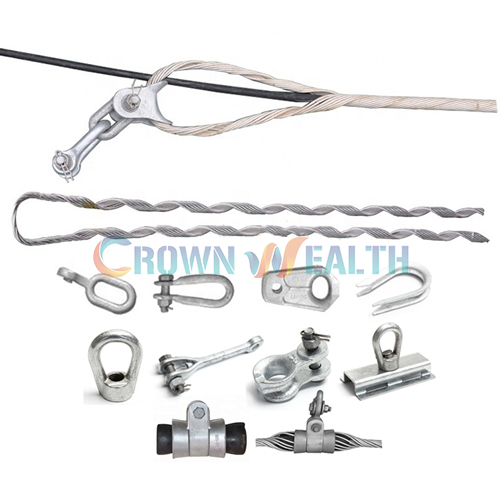
When you're setting up a guy wire system, helical guy grips aren't the only components you'll need. There are other protective fittings like Armor Rods, Helical Spiral Vibration Damper, and Tuning Fork Vibration Damper that play important roles.
Armor rods are used to protect the guy wire from abrasion and mechanical damage. They're usually made of aluminum or steel and are wrapped around the wire. Helical spiral vibration dampers and tuning fork vibration dampers are designed to reduce the vibration of the guy wire, which can extend its lifespan.
When choosing the size of the helical guy grips, you also need to consider how they'll work with these other fittings. For example, the size of the armor rods should be compatible with the size of the guy wire and the grip.
Installation Tips for the Right - Sized Grips
Once you've chosen the right size of helical guy grips, proper installation is crucial. Here are some tips:
- Clean the Guy Wire: Before installing the grip, make sure the guy wire is clean. Remove any dirt, grease, or rust. This will help the grip make a better connection.
- Follow the Installation Instructions: Each manufacturer provides specific installation instructions. Make sure you read and follow them carefully. Incorrect installation can lead to a weak connection or even damage to the grip and the wire.
- Use the Right Tools: You'll need the right tools for the job, such as pliers or a torque wrench. Using the wrong tools can result in an improper installation.
Conclusion
Choosing the right size of helical guy grips is a process that involves considering several factors, including the guy wire diameter, load requirements, and installation environment. By taking the time to do your research and follow the guidelines, you can ensure a safe and reliable installation.
If you're still not sure which size is right for your project, don't hesitate to contact me. As a supplier of helical guy grips, I have the knowledge and experience to help you make the best choice. Whether you're working on a small - scale project or a large - scale infrastructure development, I can provide you with the right products and advice. Let's get your guy wire system set up perfectly!
References
- Electrical Transmission and Distribution Reference Book.
- Engineering Standards for Guy Wire Installations.