As a supplier of protective fittings, I often get asked how to test the effectiveness of these products. It's a crucial question because the quality and performance of protective fittings can significantly impact the safety and longevity of the systems they're used in. In this blog post, I'll share some of the key methods and considerations for testing the effectiveness of protective fittings.
Understanding the Types of Protective Fittings
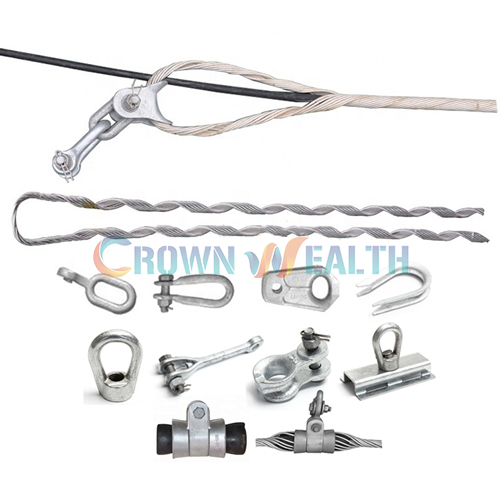
First off, let's quickly go over some common types of protective fittings. I'm sure you've heard of Armor Rods. These are used to protect overhead power lines from mechanical damage and vibration. They're usually made of aluminum or steel and are wrapped around the conductor to distribute stress evenly.
Then there are Spiral Vibration Dampers. These are designed to reduce the vibration of power lines caused by wind. By dissipating the energy of the vibration, they prevent fatigue and damage to the conductors.
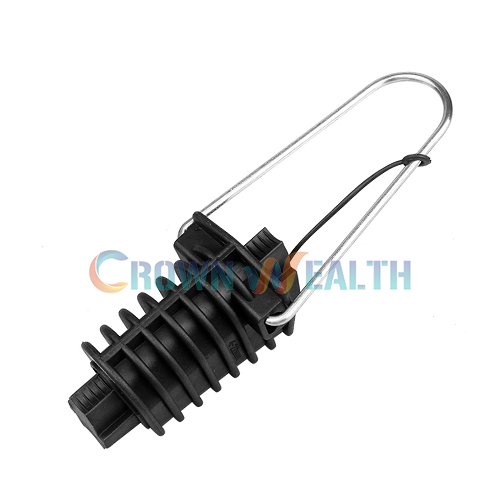
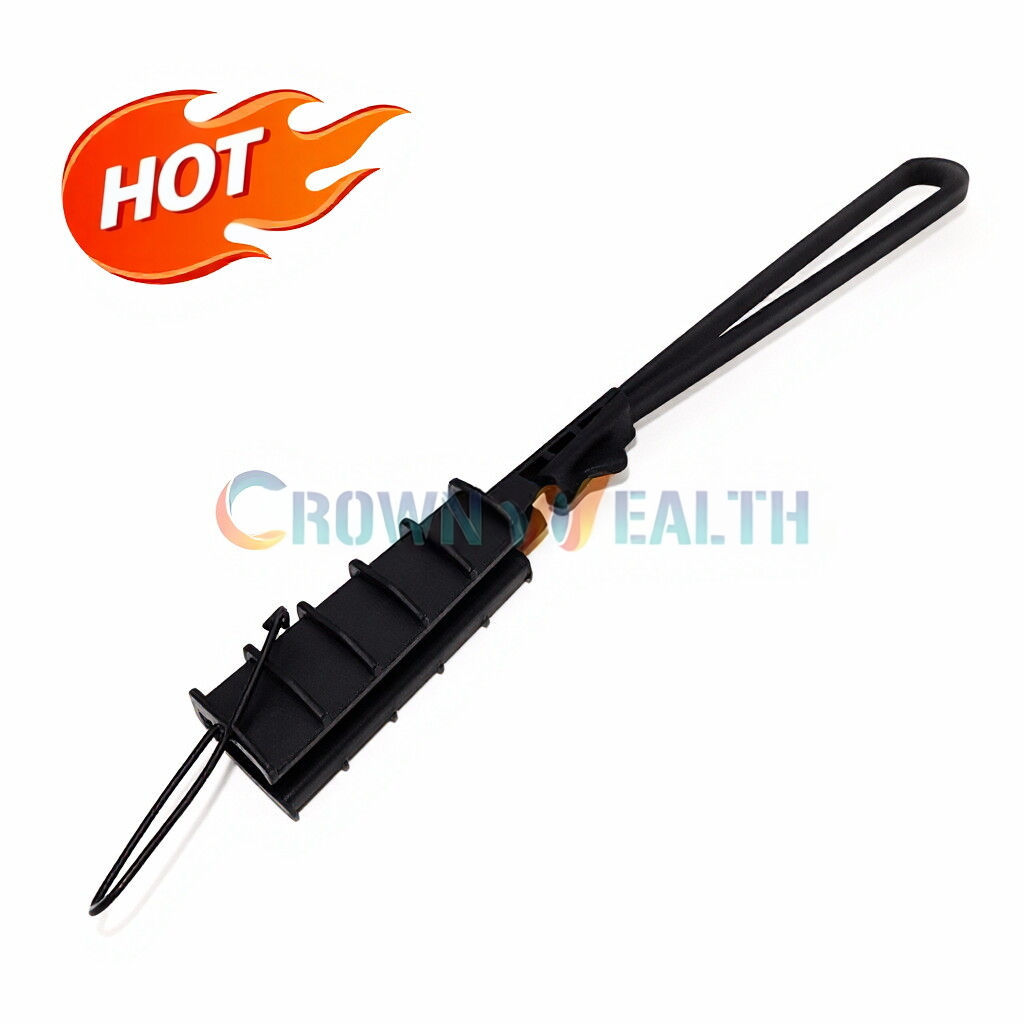
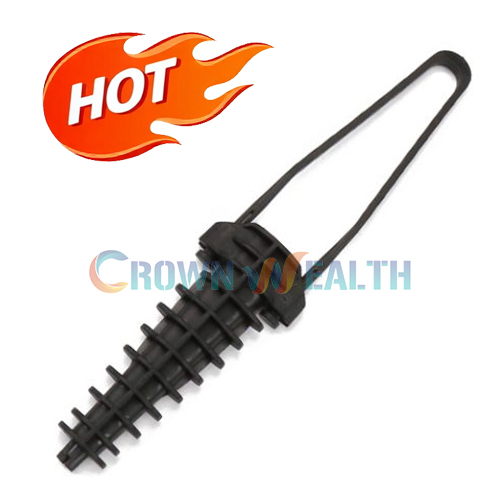
Another important type is Preformed Dead End Guy Grips. These are used to anchor cables and provide a secure connection at the end of a line. They're pre - formed to fit the cable tightly and ensure reliable performance.
Physical Inspection
The first step in testing the effectiveness of a protective fitting is a good old - fashioned physical inspection. This is a simple yet effective way to catch any obvious issues.
When you're looking at a fitting, check for any signs of damage such as cracks, dents, or corrosion. For example, if you're inspecting an armor rod, make sure there are no breaks in the rod itself. A crack could weaken the rod and reduce its ability to protect the conductor.
Also, pay attention to the fit of the fitting. It should fit snugly on whatever it's supposed to protect. If a spiral vibration damper is loose on the power line, it won't be able to effectively dampen the vibrations. You might need to use tools like calipers to measure the dimensions and ensure they match the specifications.
Performance Testing
Tensile Testing
Tensile testing is a common method for testing the strength of protective fittings. This involves applying a pulling force to the fitting until it breaks or reaches its maximum load capacity.
For preformed dead - end guy grips, tensile testing can determine if they can hold the required tension without slipping or breaking. We use specialized testing equipment to gradually increase the force and record the results. If the grip fails at a load lower than the specified rating, it's a clear sign that the fitting is not effective.
Vibration Testing
Vibration testing is essential for products like spiral vibration dampers. We simulate real - world vibration conditions in a laboratory setting.
The damper is attached to a test rig that can generate vibrations similar to those caused by wind in the field. We measure the amplitude and frequency of the vibrations before and after the damper is installed. If the damper is effective, it should significantly reduce the amplitude of the vibrations.
Environmental Testing
Protective fittings need to withstand various environmental conditions. So, environmental testing is a must.
Corrosion Testing
Corrosion can severely damage protective fittings over time. We expose the fittings to corrosive environments, such as salt spray chambers.
In a salt spray test, the fitting is placed in a chamber where a fine mist of saltwater is sprayed continuously. After a set period, we check the fitting for signs of corrosion. If the fitting shows excessive corrosion, it might not be suitable for use in areas with high humidity or near the ocean.
Temperature Testing
Temperature can also affect the performance of protective fittings. We conduct temperature cycling tests, where the fitting is subjected to a range of temperatures from extremely cold to very hot.
This simulates the conditions the fitting might experience in different climates. For example, an armor rod needs to maintain its strength and flexibility in both freezing winter temperatures and scorching summer heat. If the fitting becomes brittle or loses its shape during temperature cycling, it's not a reliable product.
Field Testing
While laboratory tests are important, field testing is where the rubber meets the road. We install the protective fittings in real - world settings and monitor their performance over time.
We work with utility companies and other customers to place our products in different locations. For example, we might install spiral vibration dampers on power lines in a windy area. We then use sensors to measure the vibration levels and other performance indicators.
Field testing allows us to see how the fittings perform under actual conditions, which can be different from the controlled environment of a laboratory. It also gives us feedback on any potential issues that might arise during long - term use.
Quality Assurance and Certification
To ensure the effectiveness of our protective fittings, we follow strict quality assurance procedures. We use high - quality materials and advanced manufacturing processes.
We also seek certifications from recognized organizations. For example, many of our products meet international standards such as IEEE and IEC. These certifications are a sign that our products have been tested and meet the required performance criteria.


Conclusion
Testing the effectiveness of protective fittings is a multi - step process that involves physical inspection, performance testing, environmental testing, and field testing. By using these methods, we can ensure that our products are reliable and can provide the protection that our customers need.
If you're in the market for protective fittings and want to learn more about our testing procedures or products, I'd love to have a chat. Whether you're a utility company, an electrical contractor, or anyone else in need of high - quality protective fittings, we're here to help. Reach out to us to discuss your specific requirements and start a procurement conversation.
References
- IEEE Standards Association. IEEE Standards for Electrical Equipment.
- International Electrotechnical Commission (IEC). IEC Standards for Electrical Installations.