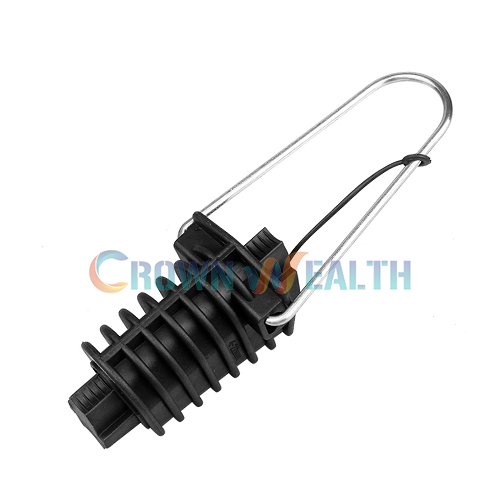
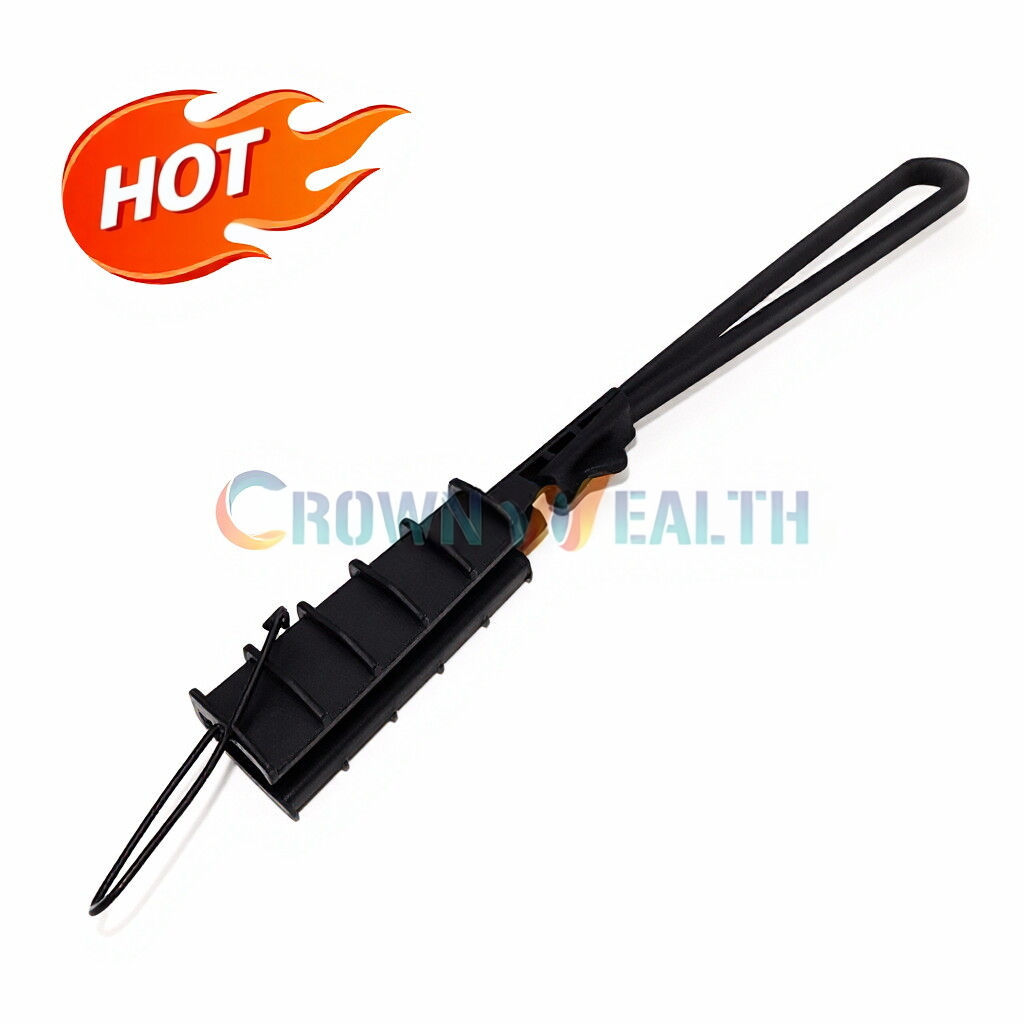
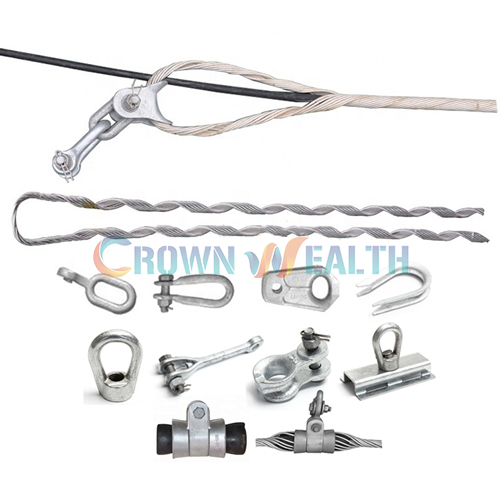
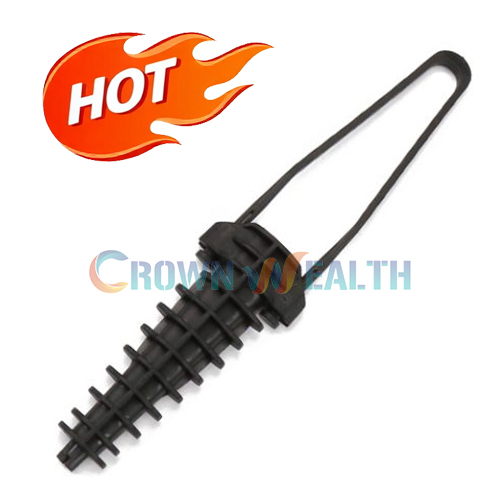
CW-TNR02: Angled Thimble Guy Bolts Rod is a utility pole-line hardware component. This technical SEO guide explains selection, assembly, corrosion protection, installation quality, inspection, and maintenance practices for dependable overhead line construction.


Introduction: Pole Line Bolts in Utility Construction
CW-TNR02: Angled Thimble Guy Bolts Rod is part of the guying and anchoring hardware used for guy-wire and pole-stabilization assemblies where the installed load path must be transferred reliably into the specified anchor or stay-rod system. Reliable pole-line hardware starts with a complete assembly review: the fastener or fitting, connected hardware, structure, expected loading, electrical clearances, environmental exposure, and approved construction standard must be considered together.
Function Within the Complete Hardware Assembly
This product provides a defined mechanical interface within an overhead-line assembly. Its field performance depends on the combined behavior of guy wire, thimbles, strand fittings, anchors, rods, turnbuckles, and compatible tensioning hardware. A component should never be selected only by appearance; mating geometry, load direction, installation location, and approved utility details determine whether a configuration is appropriate.
Application Planning Before Product Selection
Before specifying CW-TNR02: Angled Thimble Guy Bolts Rod, confirm the construction drawing, pole or support type, attachment elevation, planned equipment, expected line loads, service conditions, and local utility requirements. Establish whether the application is a new build, replacement, repair, service extension, or line upgrade, because existing hardware may affect access, clearances, and compatibility.
Key Selection Criteria
A thorough selection review should cover guy direction, anchor compatibility, rod engagement, thimble geometry, soil and foundation conditions, corrosion protection, and tension adjustment. Check current Crown Wealth Group product information for the applicable dimensions, product configuration, and compatible components. Engineering approval is required where the installation differs from the published arrangement or where structural and electrical loads are uncertain.
Material, Coating, and Environmental Exposure
CW-TNR02: Angled Thimble Guy Bolts Rod uses outdoor-rated steel hardware with a protective finish selected for pole-line service. Outdoor pole-line hardware can be exposed to moisture, ultraviolet radiation, salt, industrial pollution, temperature cycling, vibration, and mechanical abrasion. Inspect finishes before installation and protect coated surfaces from damage. The corrosion strategy should address the entire joint, including nuts, washers, brackets, and connected hardware.
Load Path and Connection Geometry
Install the product so force is transmitted through the intended bearing faces and structural interfaces. Eccentric loading, crossed threads, inadequate nut engagement, incorrect washer placement, or misaligned attachment points can create stresses outside the approved design. Verify that associated fittings sit squarely and that the assembly preserves planned conductor, cable, or guy-wire geometry.
Pre-Installation Inspection
Before work begins, inspect CW-TNR02: Angled Thimble Guy Bolts Rod and related components for transport damage, corrosion, deformation, damaged threads, incomplete hardware, or mismatched parts. Confirm that the actual product matches the work package, that holes and interfaces align without forced assembly, and that crews have the required access, tooling, safety controls, and approved installation procedure.
Installation Good Practice
Position the component in the documented orientation, use the specified companion hardware, and assemble the joint in the approved sequence. Start threaded connections by hand where practical to avoid cross-threading, maintain correct washer and nut placement, and tighten with the prescribed method. Do not cut, heat, weld, bend, field-drill, or substitute CW-TNR02: Angled Thimble Guy Bolts Rod without engineering authorization.
Tightening, Alignment, and Workmanship Checks
After tightening, inspect visible thread engagement, head and nut seating, washer contact, joint alignment, and clearance to adjacent hardware. Use the project-approved tightening practice rather than an assumed torque where product documentation or the utility standard provides a requirement. A properly assembled connection should not show binding, forced misalignment, damaged coating, or unsupported attached loads.
Commissioning and Acceptance Inspection
Before energization or return to service, verify that the completed assembly is consistent with the construction drawing and does not interfere with conductor movement, insulators, service cables, climbing space, grounding, or future maintenance access. Check all related bolts, pins, clamps, and structural supports as a system. Record required quality-control results under the project process.
Maintenance and Lifecycle Review
Routine inspections should look for corrosion, coating loss, loosened hardware, elongation of holes, worn threads, deformation, vibration marks, or changes in connected equipment. Reinspect after storms, pole impacts, unusual loading, equipment additions, or reconstruction work. Replace damaged hardware with approved equivalent components instead of improvising a repair that changes the original load path.
Coordinating Related Pole-Line Hardware
CW-TNR02: Angled Thimble Guy Bolts Rod interfaces with guy wire, thimbles, strand fittings, anchors, rods, turnbuckles, and compatible tensioning hardware. Coordinating those elements early improves installation efficiency, structural reliability, electrical clearance control, and long-term serviceability. Refer to current product drawings and project requirements for final dimensions, compatible fittings, and field installation controls.
Conclusion
A dependable pole-line connection depends on selecting CW-TNR02: Angled Thimble Guy Bolts Rod for the actual support geometry, compatible components, line loads, and exposure conditions, then following approved installation and inspection procedures. Use current product documentation and qualified utility work practices for the final design, and contact Crown Wealth Group for application support.