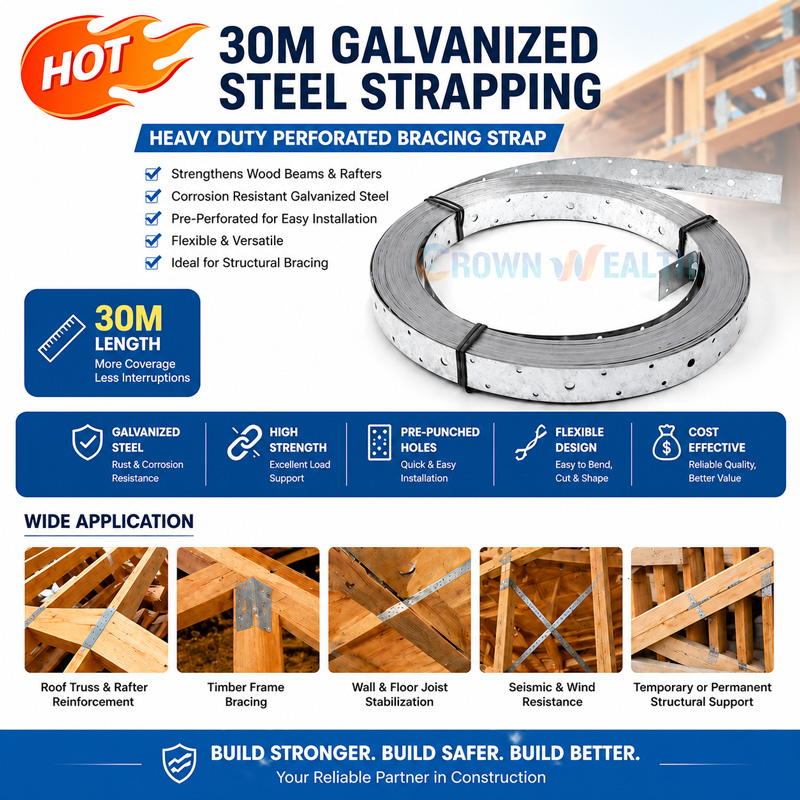
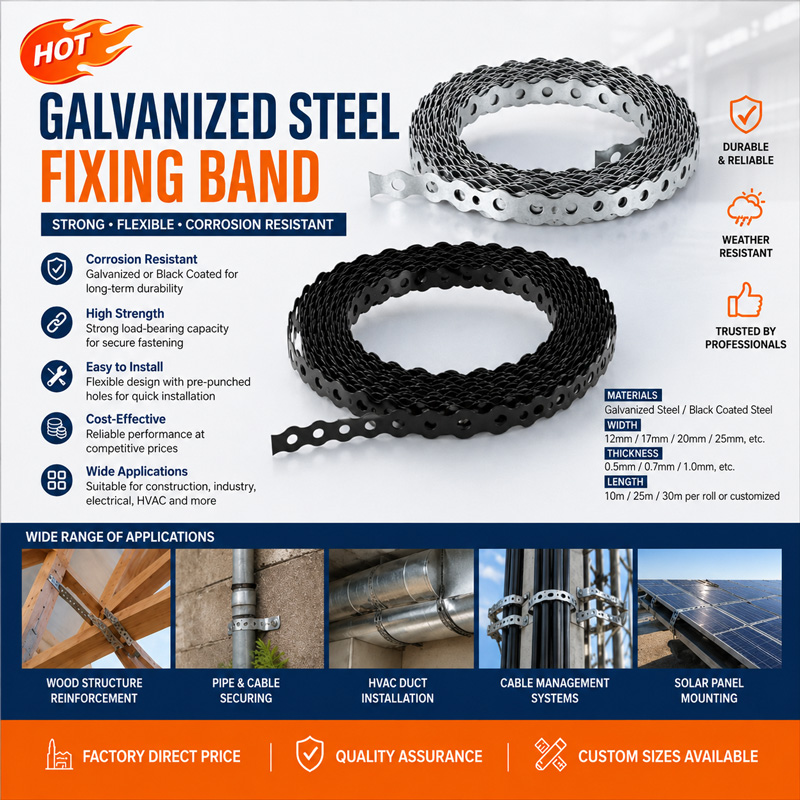
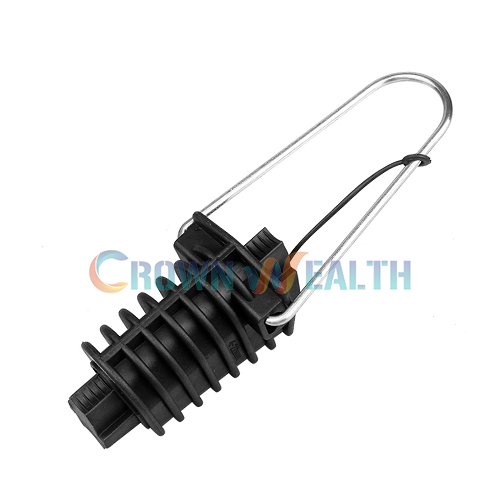
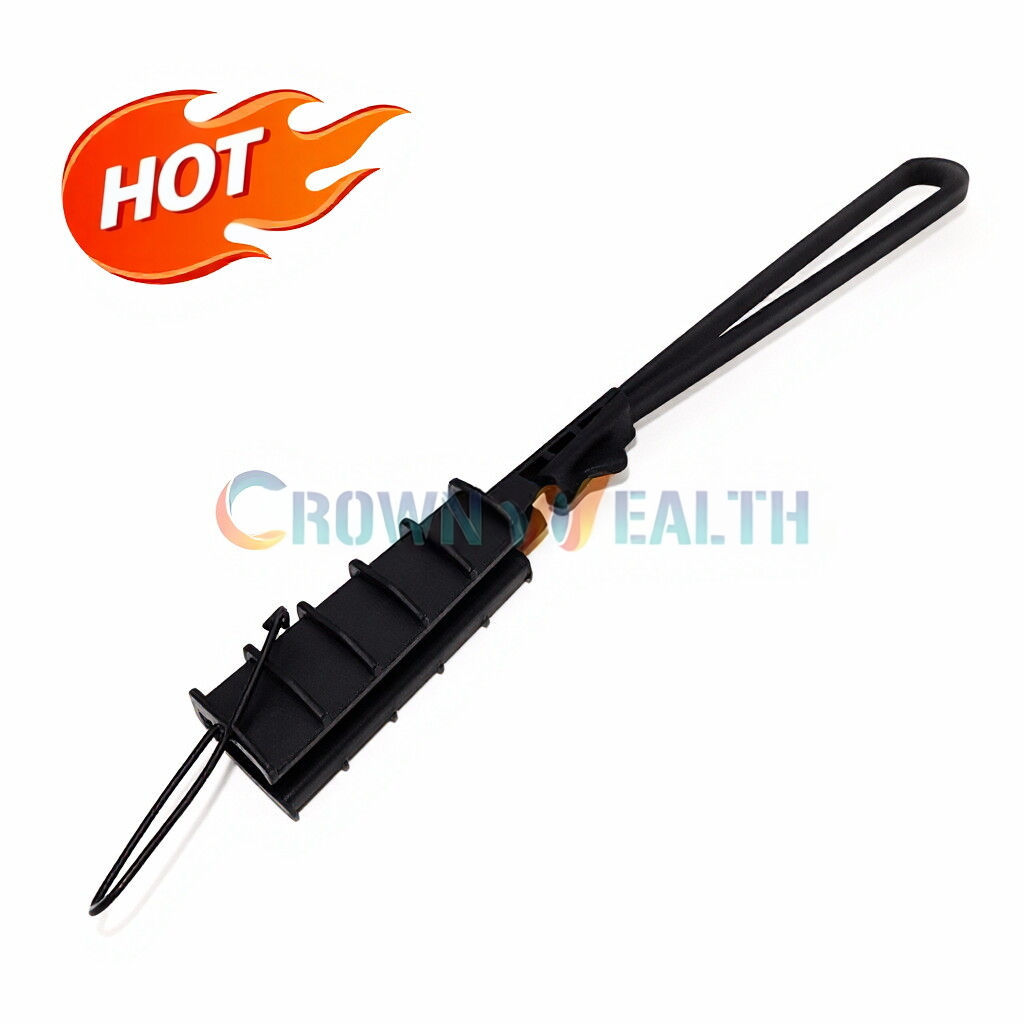
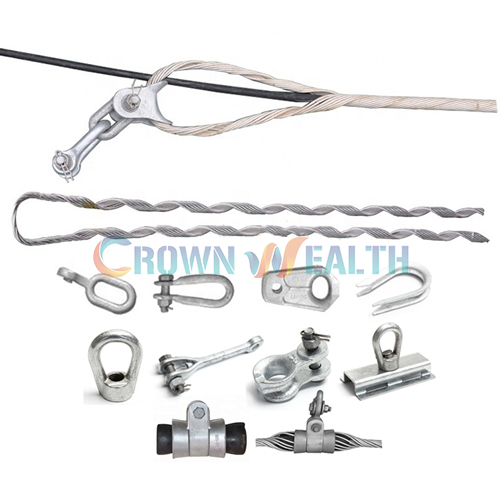
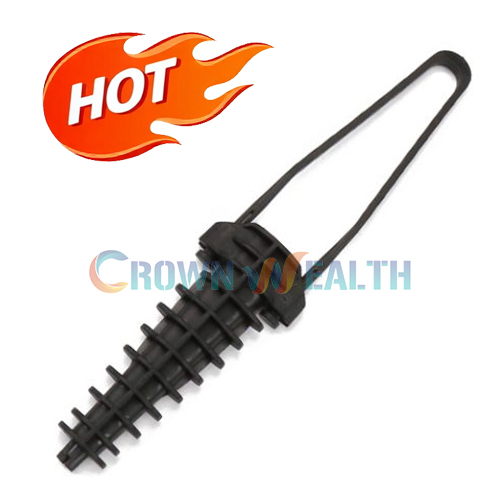
11kV overhead distribution lines are widely used in electrical power distribution networks to transmit electricity safely and efficiently over medium distances. To ensure the stability, mechanical strength, and long-term reliability of these lines, high-quality 11kV overhead line fittings are essential.
From suspension and tension fittings to clamps, brackets, connectors, and pole-line hardware, every component plays an important role in supporting conductors and maintaining the overall performance of an overhead power distribution system.

What Are 11kV Overhead Line Fittings?
11kV overhead line fittings are mechanical and electrical accessories used for the installation, connection, support, and protection of conductors on medium-voltage overhead power lines.
These fittings are designed to work with common distribution line components such as:
- 11kV conductors
- Insulators
- Utility poles
- Crossarms
- Stay wires
- Earthing systems
- Transformers and other distribution equipment
Depending on the application, fittings may be manufactured from galvanized steel, aluminum alloy, ductile iron, malleable iron, or other materials suitable for outdoor electrical installations.
Common Types of 11kV Overhead Line Fittings
Different sections of an overhead distribution line require different types of hardware. The most common 11kV line fittings include the following.
1. Suspension Fittings
Suspension fittings are used to support conductors at intermediate points along an overhead line.
They help maintain the correct conductor position while allowing the conductor to withstand wind, vibration, and other environmental loads.
Typical products include:
- Suspension clamps
- Suspension assemblies
- Insulator fittings
- Pole line suspension hardware
The correct suspension fitting should be selected according to conductor size, mechanical loading, insulator type, and installation configuration.
2. Tension and Dead-End Fittings
At termination points, angle poles, and certain other sections of an 11kV overhead line, conductors need to be securely anchored.
Tension fittings, also known as dead-end fittings, provide mechanical grip and help transfer conductor tension to the supporting structure.
Common examples include:
- Dead-end clamps
- Strain clamps
- Wedge-type clamps
- Bolted tension clamps
- Preformed dead-end fittings
For high-load applications, the fitting must have sufficient mechanical strength and reliable conductor gripping performance.
3. Parallel Groove Clamps
Parallel groove clamps are commonly used for connecting two conductors or making electrical connections between conductors.
They are available in different sizes and materials to accommodate various conductor combinations.
A suitable parallel groove clamp should provide:
- Reliable electrical contact
- Adequate mechanical strength
- Corrosion resistance
- Stable performance under temperature changes
- Easy installation and maintenance
4. PG Clamps and Connecting Clamps
PG clamps are widely used in overhead distribution networks for conductor connections and branch connections.
Depending on the application, they can be used for:
- Conductor-to-conductor connections
- Main conductor and branch conductor connections
- Jumper connections
- Electrical bonding
Aluminum alloy and galvanized steel components are commonly used according to the required electrical and mechanical properties.
5. Pole Line Hardware
Pole-line hardware provides the mechanical connection between conductors, insulators, crossarms, and utility poles.
Typical 11kV pole line hardware includes:
- Pole clamps
- U-bolts
- Brackets
- Crossarm fittings
- Eye bolts
- Nuts and washers
- Insulator pins
- Stay fittings
- Pole-top brackets
Hot-dip galvanized steel is frequently selected because overhead distribution equipment is exposed to rain, humidity, UV radiation, pollution, and temperature variations.
Materials Used for 11kV Line Fittings
The material of an overhead line fitting directly affects its mechanical strength, corrosion resistance, weight, and service life.
Galvanized Steel
Galvanized steel is one of the most widely used materials for overhead line hardware.
Hot-dip galvanizing provides a protective zinc coating that helps prevent corrosion in outdoor environments.
It is commonly used for:
- Brackets
- Clamps
- Bolts
- U-bolts
- Crossarm hardware
- Pole fittings
- Stay hardware
Aluminum Alloy
Aluminum alloy fittings are often used where lightweight construction and good electrical conductivity are important.
They are particularly suitable for conductor connection applications and can provide good corrosion resistance when properly manufactured.
Ductile Iron and Malleable Iron
Ductile iron and malleable iron can provide high mechanical strength and are commonly used for heavy-duty clamps and structural fittings.
The choice of material depends on the mechanical load, conductor type, environmental conditions, and applicable technical standards.
How to Choose the Right 11kV Overhead Line Fittings
Selecting the correct fittings is critical to the safety and reliability of an overhead distribution system.
Before purchasing 11kV overhead line fittings, buyers should consider several factors.
1. Conductor Type and Size
The conductor diameter and construction determine the required clamp or connector size.
Providing the conductor type, cross-sectional area, and diameter to the supplier can help ensure proper product selection.
2. Mechanical Load
Suspension and tension fittings must be capable of handling the expected mechanical loads.
Important factors include:
- Working load
- Breaking load
- Conductor tension
- Wind load
- Span length
- Installation angle
3. Insulator Configuration
The fitting must be compatible with the selected insulator and mounting arrangement.
For example, pin-type, suspension, and strain insulators may require different connection hardware.
4. Environmental Conditions
Overhead lines are exposed to demanding outdoor conditions.
When selecting fittings, consider:
- Humidity
- Rainfall
- Coastal environments
- Industrial pollution
- Temperature
- UV exposure
- Wind and vibration
For corrosive environments, high-quality hot-dip galvanized or corrosion-resistant materials can help extend service life.
5. Applicable Standards
Depending on the project location, fittings may need to comply with relevant international, national, or utility-specific standards.
Buyers should confirm required standards and technical specifications before placing an order.
Why Quality Matters in 11kV Overhead Line Construction
Although overhead line fittings are relatively small compared with conductors and poles, they are critical components of the entire distribution system.
Poor-quality fittings can result in:
- Conductor slippage
- Loose connections
- Excessive corrosion
- Mechanical failure
- Increased maintenance requirements
- Electrical connection problems
- Unexpected line outages
For this reason, fittings should be manufactured with accurate dimensions, consistent material quality, reliable surface treatment, and appropriate mechanical strength.
11kV Overhead Line Fittings for Different Applications
A complete overhead distribution project may require a combination of different fittings rather than a single product.
For example, a typical 11kV line installation may include:
| Application | Typical Fittings |
|---|---|
| Conductor suspension | Suspension clamps and assemblies |
| Line termination | Dead-end and tension fittings |
| Conductor connection | Parallel groove clamps and connectors |
| Insulator mounting | Insulator pins and brackets |
| Pole connection | Pole clamps, U-bolts and brackets |
| Stay system | Stay rods, clamps and anchors |
| Earthing | Earthing clamps and accessories |
| Structural connection | Bolts, nuts and washers |
The exact configuration depends on the design of the distribution network and the requirements of the local utility.
Why Choose a Professional 11kV Line Fittings Supplier?
For international power distribution projects, working with an experienced manufacturer or supplier can simplify product selection and procurement.
A professional supplier should be able to provide:
- Complete overhead line fitting solutions
- Customized dimensions and configurations
- Material options
- Surface treatment options
- Technical drawings
- Product specifications
- Quality inspection
- Export packaging
- International shipping support
At Hebei Crown Wealth, we supply electrical and communication accessories and line materials for customers in different markets. Our product range can be configured according to conductor specifications, pole structures, installation requirements, and project standards.
Conclusion
11kV overhead line fittings are essential components for building safe, reliable, and durable medium-voltage distribution networks. Suspension fittings, tension clamps, conductor connectors, pole hardware, insulator fittings, and other accessories work together to provide mechanical support and reliable electrical connections.
When selecting fittings for an 11kV overhead line project, buyers should carefully evaluate conductor size, mechanical load, material, environmental conditions, installation requirements, and applicable standards.
Choosing properly engineered and professionally manufactured 11kV overhead line hardware can help improve network reliability, reduce maintenance requirements, and extend the service life of the distribution system.
Looking for 11kV overhead line fittings for your power distribution project? Contact Hebei Crown Wealth to discuss your conductor specifications, installation requirements, quantities, and other project details. We can help you identify suitable line hardware and provide a complete quotation based on your requirements.