Introduction to Concrete Pole Clamp Selection
Concrete poles are widely used in overhead power distribution networks, telecommunication systems, and utility infrastructure due to their excellent strength, durability, and resistance to harsh environmental conditions. To ensure reliable installation of cables, cross arms, insulators, and other pole line equipment, selecting the right concrete pole clamp is essential.
A suitable concrete pole clamp provides strong mechanical support, secure fixing, corrosion resistance, and long service life. However, with different pole sizes, installation requirements, and environmental conditions, choosing the correct clamp requires careful consideration.
This guide explains the key factors involved in concrete pole clamp selection and helps engineers, contractors, and distributors choose the right hardware for overhead line projects.

What Is a Concrete Pole Clamp?
A concrete pole clamp is a type of pole line hardware used to attach electrical equipment and accessories to concrete utility poles. It is commonly installed on medium voltage, low voltage, and communication poles to support:
- Cross arms
- Insulators
- Brackets
- Cable supports
- Transformer accessories
- Street lighting equipment
- Communication equipment
Concrete pole clamps are usually manufactured from high-strength steel and protected by hot-dip galvanizing to provide excellent corrosion resistance in outdoor environments.
Types of Concrete Pole Clamps
Different applications require different clamp designs. Understanding the common types helps ensure proper selection.
1. U Type Concrete Pole Clamp
U-shaped clamps are among the most commonly used pole fittings. They secure accessories around the concrete pole through bolts and nuts.
Advantages:
- Simple installation
- Strong mechanical strength
- Suitable for various pole accessories
- Cost-effective solution
Applications:
- Distribution poles
- Cross arm mounting
- Cable support installation
2. Band Type Concrete Pole Clamp
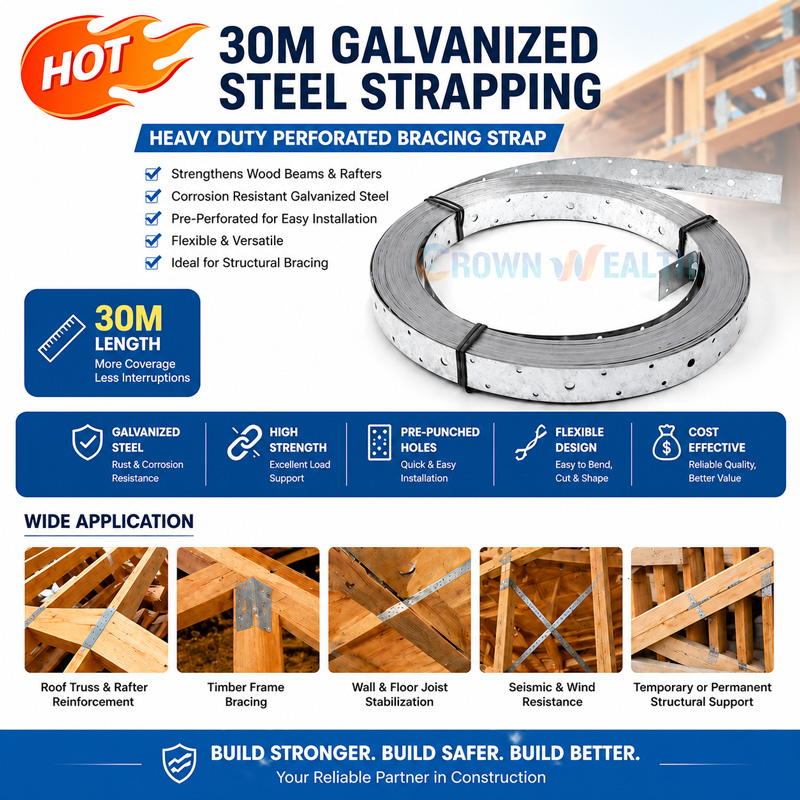
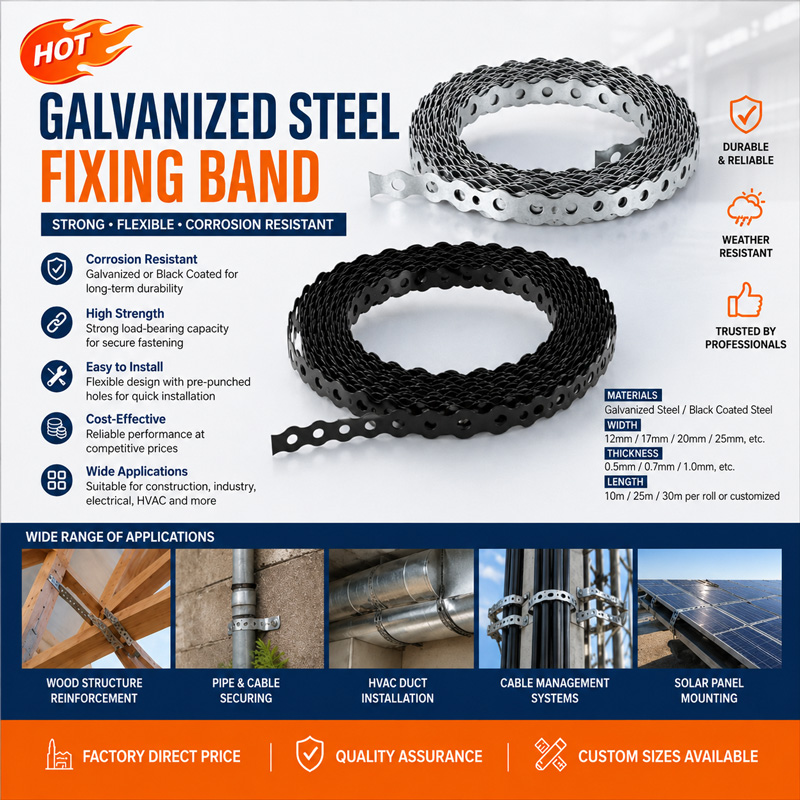
Band clamps use steel straps or bands wrapped around the pole body.
Advantages:
- Adjustable installation
- Suitable for different pole diameters
- Excellent holding performance
Applications:
- Communication poles
- Power line accessories
- Equipment mounting
3. Adjustable Concrete Pole Clamp
Adjustable clamps are designed for projects where pole dimensions may vary.
Features:
- Flexible diameter adjustment
- Easy installation
- Reduced inventory requirements
They are especially suitable for large-scale utility projects with different concrete pole specifications.
4. Two-Piece Concrete Pole Clamp
Two-piece clamps consist of separate sections connected by bolts.
Benefits:
- Higher stability
- Easier installation on existing poles
- Suitable for heavy-duty applications
They are commonly used for supporting heavier electrical equipment.
Key Factors for Concrete Pole Clamp Selection
Choosing the correct concrete pole clamp requires evaluating several important factors.
1. Concrete Pole Diameter
The first consideration is the pole diameter.
Different concrete poles have different dimensions, and the clamp must match the pole size to achieve proper gripping force.
Before selection, confirm:
- Pole top diameter
- Pole bottom diameter
- Installation height
- Tapered pole specifications
An incorrectly sized clamp may cause loosening or insufficient mechanical support.
2. Load Capacity Requirements
The clamp must withstand the mechanical loads applied during operation.
Consider:
- Equipment weight
- Wind pressure
- Cable tension
- Ice loading conditions
- Long-term vibration
For heavy-duty applications, reinforced clamps with thicker steel plates and stronger bolts are recommended.
3. Material and Corrosion Protection
Outdoor power line hardware operates under continuous exposure to rain, humidity, sunlight, and pollution.
High-quality concrete pole clamps are usually made from:
- Carbon steel
- Forged steel
- Galvanized steel
Hot-dip galvanizing is widely used because it provides:
- Excellent corrosion resistance
- Long service life
- Low maintenance requirements
For coastal or highly corrosive environments, additional protection may be required.
4. Clamp Dimensions and Steel Thickness
The thickness and width of the clamp directly affect its strength.
Important specifications include:
- Steel strip thickness
- Clamp width
- Bolt diameter
- Overall dimensions
- Weight capacity
A professional supplier should provide technical drawings and load specifications before production.
5. Installation Method
The installation environment also influences clamp selection.
Consider:
- New pole installation or existing pole modification
- Manual installation or mechanical installation
- Available installation space
- Required adjustment range
For maintenance projects, adjustable clamps are often preferred because they reduce installation difficulties.
Concrete Pole Clamp Applications
Concrete pole clamps are widely used in many infrastructure projects.
Power Distribution Networks
Used for:
- 11kV overhead lines
- 22kV distribution systems
- 33kV medium voltage networks
- Low voltage electrical networks
Telecommunication Networks
Used for:
- Fiber optic cable supports
- Communication brackets
- Antenna mounting systems
Railway and Infrastructure Projects
Used for:
- Electrification support systems
- Signaling equipment
- Utility installations
Why Quality Matters in Concrete Pole Clamp Selection
Poor-quality pole clamps can lead to:
- Equipment falling risks
- Pole damage
- Increased maintenance costs
- Reduced network reliability
A reliable concrete pole clamp supplier should provide:
✔ High-quality raw materials
✔ Accurate manufacturing dimensions
✔ Hot-dip galvanizing according to standards
✔ Load testing capability
✔ Customized solutions for different projects
How to Choose a Reliable Concrete Pole Clamp Supplier
When purchasing concrete pole clamps, consider the following supplier qualifications:
Manufacturing Experience
Experienced manufacturers understand international utility standards and can provide suitable solutions for different countries.
Product Customization
Different projects may require:
- Special dimensions
- Different steel thickness
- Customized bolt sizes
- Specific surface treatments
A manufacturer with customization capability can better meet project requirements.
Quality Control
Important inspection procedures include:
- Material testing
- Dimension inspection
- Galvanizing thickness testing
- Mechanical strength testing
Conclusion
Selecting the right concrete pole clamp is critical for the safety and reliability of overhead power and communication networks. The correct choice depends on pole diameter, load requirements, material quality, installation conditions, and environmental factors.
By working with an experienced manufacturer and carefully evaluating technical specifications, utilities and contractors can ensure secure installation, reduced maintenance, and long-term performance.
For power distribution, telecommunication, and utility construction projects, high-quality concr