Hey there! As an ADSS fitting supplier, I've seen firsthand the vital role that these fittings play in optical cable grounding. Let's dive right into what that role is and why it's so important.
First off, let's talk about what ADSS cables are. ADSS stands for All - Dielectric Self - Supporting. These cables are used in overhead power line systems, and they're made of dielectric materials, which means they don't conduct electricity. But even though they're non - conductive, they still need to be grounded properly for a few key reasons.
One major reason is lightning protection. Lightning can strike power lines and cause a huge surge of electrical energy. If the ADSS cable isn't properly grounded, this energy can damage the cable, the equipment connected to it, and even pose a safety risk to people nearby. That's where ADSS fittings come in.
ADSS fittings are like the unsung heroes of the optical cable world. They're the components that connect the cable to the supporting structures and ensure that it stays in place and functions properly. In terms of grounding, specific types of ADSS fittings are used to create a path for electrical energy to flow safely into the ground.
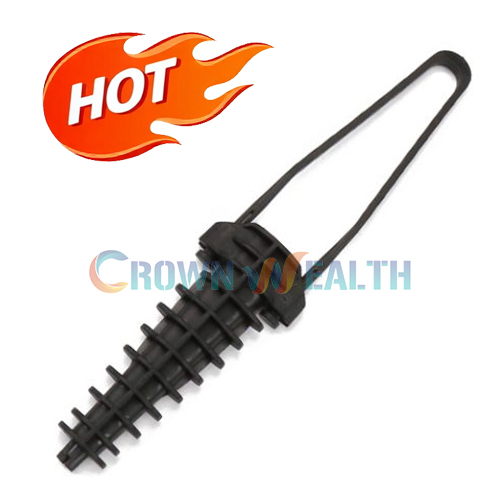
Take the Downlead Clamp as an example. This little piece of hardware is crucial for guiding the cable from the aerial part of the installation down to the grounding point. It holds the cable securely in place while allowing for the proper transfer of any electrical charges that might build up on the cable. Without a good downlead clamp, the cable could move around during high winds or other environmental factors, which might disrupt the grounding connection.
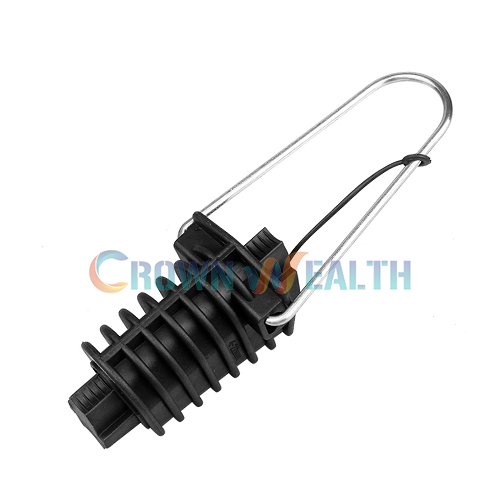
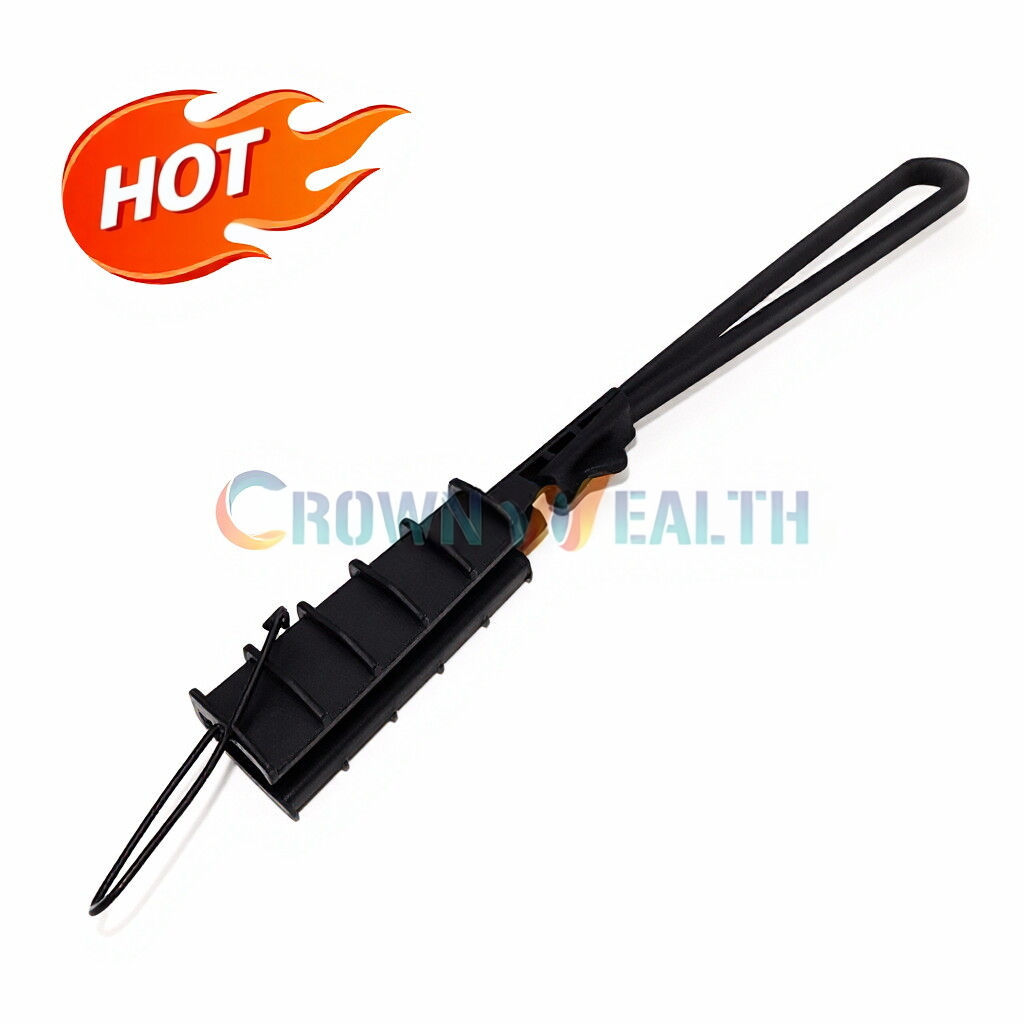
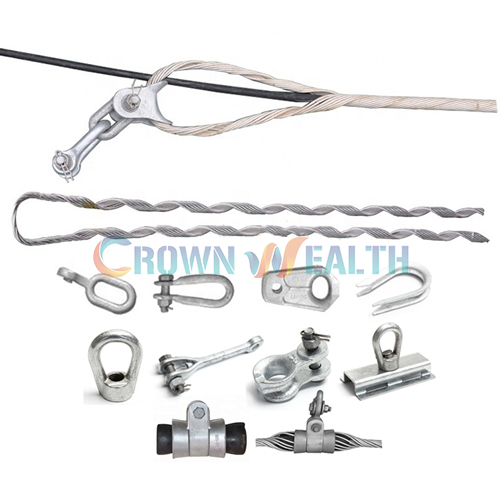
Another important fitting is the Preformed Tension Clamp. This clamp is used to support the ADSS cable under tension. It distributes the load evenly across the cable, preventing any weak points that could lead to cable breakage. In the context of grounding, it ensures that the cable remains in a stable position so that the grounding path remains intact. If the cable were to sag or move too much, the grounding connection might be lost, leaving the cable vulnerable to lightning and other electrical hazards.
The ADSS Cable Storage Bracket also plays a role in grounding, albeit indirectly. When you're installing an ADSS cable, there's often some excess cable that needs to be stored properly. The storage bracket keeps this excess cable in an organized and protected manner. This might seem like a small thing, but it's actually important for maintaining the integrity of the overall cable system. If the excess cable were to be left in a messy heap, it could get damaged or tangled, which could disrupt the grounding and other functions of the cable.
Now, let's talk about how these fittings actually contribute to the process of grounding. When a lightning strike occurs or there's an electrical surge on the power line near the ADSS cable, the electrical energy needs to find a way to dissipate. The ADSS fittings provide a continuous and low - resistance path for this energy to follow. They're made from materials that are conductive enough to allow the electrical current to flow through them, but they're also designed to be durable and withstand the harsh environmental conditions that these cables are often exposed to.
For example, many of the clamps are made from high - strength metals that are corrosion - resistant. This means that they can last a long time without losing their conductivity or structural integrity. The fittings are also engineered to make a good connection with both the cable and the grounding structure. A loose or faulty connection could increase the resistance in the grounding path, which would make it less effective at protecting the cable from electrical surges.
In addition to lightning protection, proper grounding with ADSS fittings also helps to reduce electromagnetic interference (EMI). EMI can cause signal degradation in the optical cable, which means that the data being transmitted through the cable might be corrupted or lost. By providing a solid grounding path, the ADSS fittings help to divert any unwanted electrical currents away from the cable, ensuring that the signal remains clear and reliable.
Moreover, grounding with ADSS fittings is also important for safety reasons. In the event of a fault in the power line or a lightning strike, the electrical energy could potentially leak into the surrounding environment if the cable isn't grounded properly. This could pose a serious risk to people working on or near the power line, as well as to anyone in the vicinity. By using high - quality ADSS fittings to ground the cable, we can minimize this risk and create a safer working environment.
As an ADSS fitting supplier, I've worked with a lot of different customers over the years, from small local utilities to large national telecommunications companies. And in every case, the importance of proper grounding and the right ADSS fittings can't be overstated. Whether you're installing a brand - new ADSS cable system or upgrading an existing one, choosing the right fittings is crucial for ensuring the long - term performance and reliability of the cable.


If you're in the market for ADSS fittings for your optical cable grounding needs, don't hesitate to reach out. We've got a wide range of high - quality fittings that are designed to meet the toughest requirements. From downlead clamps to preformed tension clamps and cable storage brackets, we've got you covered. Whether you need a single fitting for a small project or a large quantity for a major installation, we can provide the right products at a competitive price.
So, if you're looking to improve the grounding of your ADSS cable system, or if you just want to learn more about our products, feel free to contact us. We're here to help you make the best choices for your optical cable infrastructure.
References
- Industry standards and guidelines on optical cable installation and grounding
- Technical literature on ADSS cable fittings and their applications