Yo, what's up everyone! I'm an armor rods supplier, and today I wanna chat about something super technical but also really important in our line of work: the Poisson's ratio of armor rods.
First things first, let's break down what the Poisson's ratio actually is. In simple terms, it's a number that tells us how a material behaves when it's stretched or compressed. When you pull on a material, it usually gets longer in the direction you're pulling, but it also gets thinner in the directions perpendicular to the pull. The Poisson's ratio is the ratio of the transverse strain (the change in thickness) to the axial strain (the change in length).
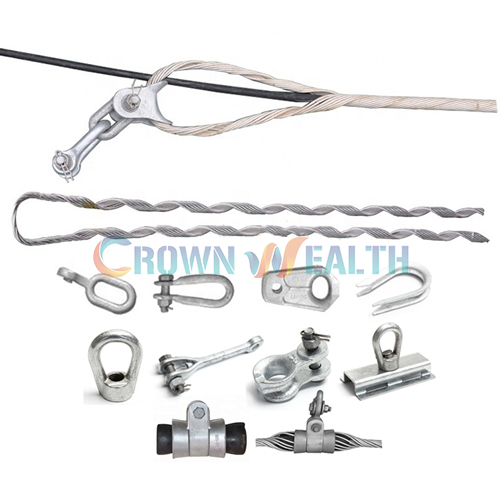
For armor rods, understanding the Poisson's ratio is crucial. Armor rods are those cool, helical - shaped things that we use to protect cables. They're wrapped around cables to prevent damage from things like vibration, abrasion, and mechanical stress. When the cable is under tension or compression, the armor rods also experience these forces, and their Poisson's ratio determines how they'll deform.
Let's say we have a cable that's being pulled tight. The armor rods on it will also stretch along with the cable. If the Poisson's ratio of the armor rods is high, they'll get a lot thinner in the transverse direction as they stretch. This can affect how well they grip the cable. On the other hand, if the Poisson's ratio is low, they'll maintain their shape better in the transverse direction, which might mean a better grip on the cable.
Now, the Poisson's ratio of armor rods depends on a few things. One of the main factors is the material they're made of. Most armor rods are made from materials like aluminum alloy or steel. Aluminum alloy typically has a Poisson's ratio of around 0.33. This means that when it's stretched, it'll get about one - third as much thinner in the transverse direction as it gets longer in the axial direction. Steel, on the other hand, has a Poisson's ratio of around 0.28 - 0.30. So, steel armor rods will deform a bit differently compared to aluminum alloy ones when under stress.
Another factor that can influence the Poisson's ratio of armor rods is the manufacturing process. If the rods are cold - worked during manufacturing, it can change the internal structure of the material, which in turn can affect the Poisson's ratio. For example, cold - rolling can introduce residual stresses in the material, and these stresses can make the material behave a bit differently when it comes to deformation.
Why does all this matter to us as suppliers and to the people who use our armor rods? Well, for one, it helps us design better products. By knowing the Poisson's ratio of the materials we're using, we can make armor rods that are more effective at protecting cables. If we're dealing with a high - tension cable application, we might choose a material with a certain Poisson's ratio to ensure that the armor rods maintain a good grip on the cable.
It also matters for quality control. When we're manufacturing armor rods, we need to make sure that the Poisson's ratio of the finished product is within an acceptable range. We can use various testing methods to measure the Poisson's ratio, like strain gauges. By regularly testing the Poisson's ratio, we can catch any issues early on and make adjustments to our manufacturing process if needed.
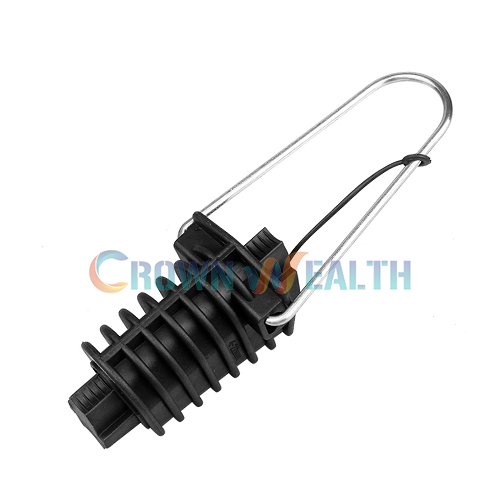
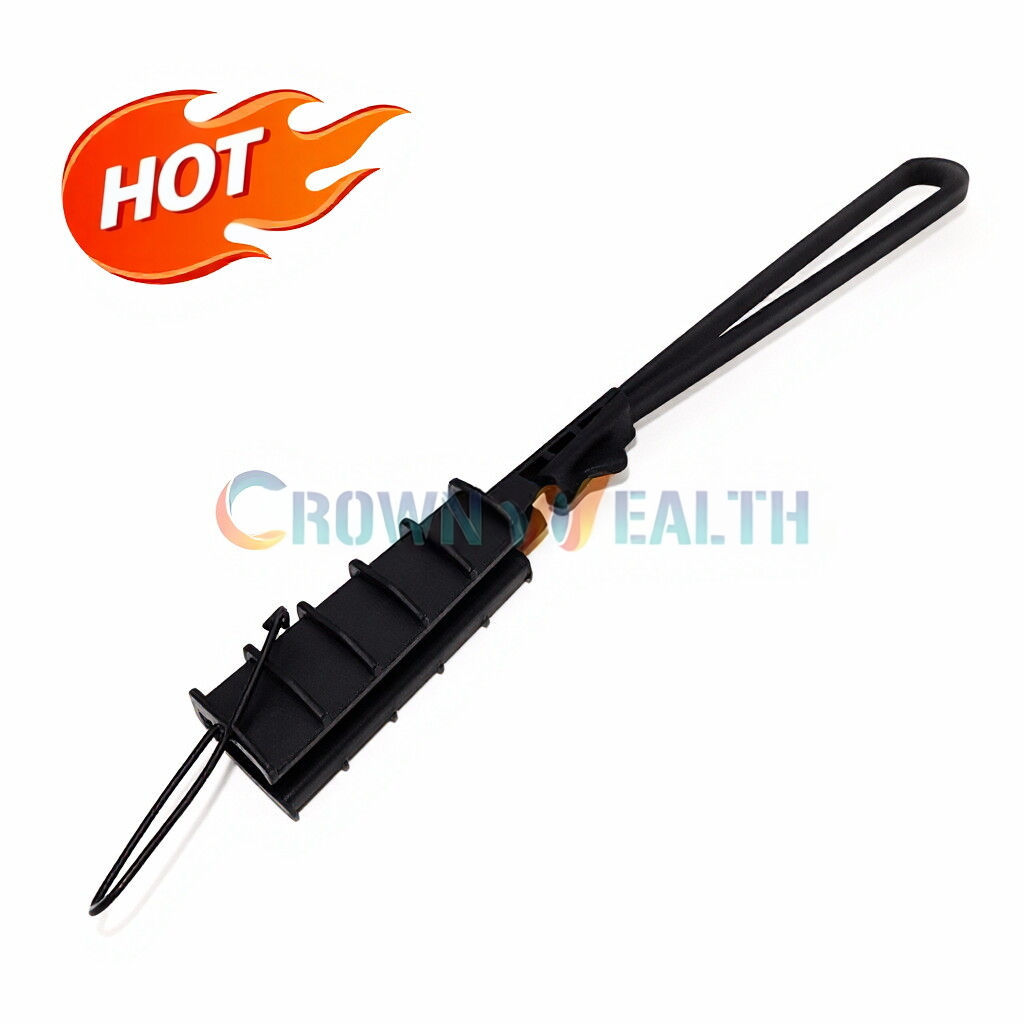
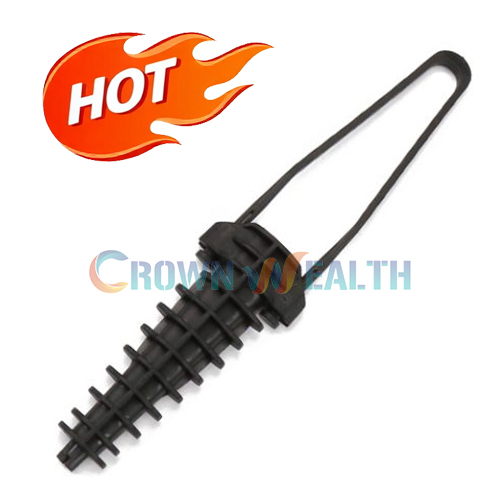
Now, I know this is all getting a bit technical, but bear with me. Let's talk a bit about how our armor rods compare to other related products. We also have Helical Guy Grips, Preformed End Guy Grips, and Cable Guy Grips. These are all products that are used in cable protection and support.
Helical guy grips, for example, are designed to provide a secure grip on cables. Like armor rods, the materials used in helical guy grips also have a Poisson's ratio that affects their performance. When they're under tension, the Poisson's ratio determines how they'll deform and how well they'll hold onto the cable.
Preformed end guy grips are another type of product that we offer. These are used at the ends of cables to provide a strong connection. The Poisson's ratio of the materials in these grips is important for ensuring that they can withstand the forces applied at the cable ends without losing their grip.
Cable guy grips, as the name suggests, are used to grip cables. They work in a similar way to armor rods in that they need to maintain a good grip on the cable under various conditions. Understanding the Poisson's ratio of the materials used in cable guy grips helps us manufacture products that are reliable and long - lasting.
So, if you're in the market for armor rods, helical guy grips, preformed end guy grips, or cable guy grips, you're in the right place. We've spent a lot of time researching and testing to make sure that our products have the right Poisson's ratio for optimal performance. Whether you're working on a small - scale project or a large - scale infrastructure build, we've got the products to meet your needs.
If you're interested in learning more about our products or you want to discuss your specific requirements, don't hesitate to reach out. We're always happy to have a chat and help you find the best solution for your cable protection needs. Let's start a conversation and see how we can work together to ensure the success of your project.


References
- "Materials Science and Engineering: An Introduction" by William D. Callister, Jr. and David G. Rethwisch
- "Mechanics of Materials" by Ferdinand P. Beer, E. Russell Johnston, Jr., John T. DeWolf, and David F. Mazurek