Can I use an aluminum joint box for low - voltage applications?
In the field of electrical engineering, choosing the right components for low - voltage applications is crucial for ensuring safety, efficiency, and long - term reliability. One question that often arises is whether an aluminum joint box can be used for low - voltage applications. As a supplier of aluminum joint boxes, I'm here to provide a comprehensive analysis of this topic.
Advantages of Aluminum Joint Boxes in Low - Voltage Applications
1. Lightweight and Durable
Aluminum is a lightweight metal, which makes aluminum joint boxes easy to handle and install. This is particularly beneficial in low - voltage applications where the installation might need to be carried out in various locations, including areas that are difficult to access. Moreover, aluminum has excellent corrosion resistance. It forms a thin oxide layer on its surface when exposed to air, which protects the underlying metal from further corrosion. In low - voltage electrical systems, where the boxes may be installed in different environmental conditions, this corrosion resistance ensures a long service life for the joint box.
2. Good Conductivity
Although not as conductive as copper, aluminum still has relatively good electrical conductivity. In low - voltage applications, where the current levels are generally lower, the conductivity of aluminum is often sufficient. This allows the aluminum joint box to effectively conduct any stray electrical currents and help in maintaining a stable electrical environment within the box.
3. Cost - Effective
Aluminum is more abundant and less expensive than many other metals used in electrical components. This cost - effectiveness makes aluminum joint boxes an attractive option for low - voltage applications, especially in large - scale projects where cost savings can be significant.


Considerations When Using Aluminum Joint Boxes in Low - Voltage Applications
1. Compatibility with Conductors
When using an aluminum joint box, it's important to ensure compatibility with the conductors used in the low - voltage system. Aluminum and copper conductors have different physical and chemical properties. If not properly joined, a phenomenon called galvanic corrosion can occur at the connection points. To prevent this, special connectors or anti - oxidation compounds can be used to ensure a reliable and corrosion - free connection between the aluminum joint box and the conductors.
2. Temperature and Thermal Management
Aluminum has a relatively high coefficient of thermal expansion. In low - voltage applications where there may be heat generation due to electrical currents, the joint box needs to be designed to handle thermal expansion and contraction. Adequate ventilation and heat dissipation features should be incorporated into the design of the aluminum joint box to prevent overheating, which could potentially damage the electrical components inside the box.
3. Environmental Factors
Although aluminum is corrosion - resistant, extreme environmental conditions such as high humidity, exposure to certain chemicals, or salt - water environments can still pose a threat to the integrity of the aluminum joint box. In such cases, additional protective coatings or enclosures may be required to ensure the long - term performance of the joint box.
Applications of Aluminum Joint Boxes in Low - Voltage Systems
1. Residential Electrical Systems
In residential low - voltage applications, such as lighting circuits, home automation systems, and small appliance connections, aluminum joint boxes can be a practical choice. Their lightweight nature makes them easy to install in wall cavities or ceiling spaces, and their cost - effectiveness helps in keeping the overall project cost down.
2. Commercial Buildings
Commercial buildings often have a variety of low - voltage systems, including security systems, communication networks, and energy management systems. Aluminum joint boxes can be used to house the connections for these systems, providing a reliable and cost - effective solution for managing the electrical connections.
3. Industrial Low - Voltage Circuits
In industrial settings, there are many low - voltage control circuits, automation systems, and sensor networks. Aluminum joint boxes can be used to protect the connections in these circuits, taking advantage of their durability and thermal management capabilities.
Related Products and Their Applications
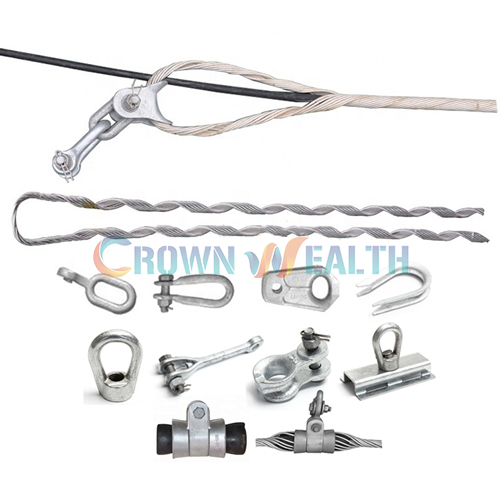
If you are involved in projects related to fiber - optic cable fitting, you may also be interested in some of our related products. For example, OPGW Cable Storage provides a reliable solution for storing OPGW cables, ensuring their safety and integrity. The OPGW Performed Suspension Clamp is designed to securely suspend OPGW cables, providing stability and support in various installation environments. And the OPGW Performed Helical Suspension Clamp offers a unique and effective way to suspend OPGW cables, with its helical design providing enhanced grip and flexibility.
Conclusion
In conclusion, aluminum joint boxes can be a suitable choice for low - voltage applications. They offer several advantages such as lightweight, durability, good conductivity, and cost - effectiveness. However, proper consideration needs to be given to factors such as conductor compatibility, thermal management, and environmental conditions. By addressing these considerations, aluminum joint boxes can provide a reliable and efficient solution for low - voltage electrical systems.
If you are considering using aluminum joint boxes for your low - voltage applications or are interested in our other related products, we invite you to contact us for further discussion and procurement. Our team of experts is ready to provide you with detailed information and customized solutions to meet your specific needs.
References
- Electrical Engineering Handbook, Third Edition, edited by Richard C. Dorf
- Aluminum Association Technical Publications on Aluminum in Electrical Applications
- Standards and Guidelines for Low - Voltage Electrical Systems, International Electrotechnical Commission (IEC)