Are Armor Rods suitable for construction projects?
As a supplier of armor rods, I am often asked whether these products are suitable for construction projects. The answer is a resounding yes, but it's essential to understand the nature of armor rods, their applications, and their benefits in the context of construction.
What are Armor Rods?
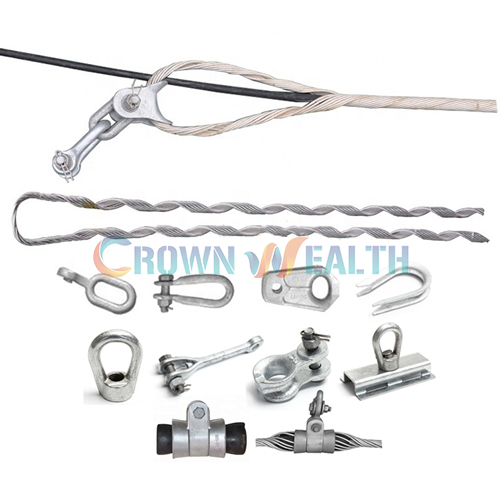
Armor rods, also known as pre - formed armor rods, are helical wire strands that are typically made from materials such as aluminum alloy or steel. These rods are designed to protect electrical conductors and cables from mechanical damage, abrasion, and vibration. They are pre - formed into a specific shape so that they can be easily wrapped around the conductor or cable.
The design of armor rods allows them to distribute mechanical stress evenly along the length of the conductor. When a cable is subject to external forces, such as wind, ice loading, or mechanical impacts, the armor rods absorb and disperse these forces, preventing concentrated stress points that could lead to cable failure.
Applications in Construction Projects
Electrical Infrastructure
In construction projects related to electrical infrastructure, such as power plants, substations, and overhead power lines, armor rods play a crucial role. For overhead power lines, they are used to protect the conductors at suspension points, dead - ends, and where the line passes through insulators. By reducing the stress on the conductors, armor rods extend the lifespan of the electrical cables, reducing the need for frequent replacements and maintenance.
In substations, armor rods are applied to protect busbars and other high - voltage conductors. They help to prevent damage caused by short - circuit currents, which can generate significant mechanical forces. Additionally, in power plants, where there are numerous electrical connections and cables, armor rods ensure the reliability of the electrical system by safeguarding the conductors from various forms of mechanical damage.
Telecommunication Networks
Construction of telecommunication networks also benefits from the use of armor rods. Fiber optic cables, which are the backbone of modern communication systems, are very sensitive to mechanical stress. Armor rods can be used to protect these cables during installation and throughout their service life. They prevent damage from factors such as cable pulling, bending, and environmental impacts.


When laying fiber optic cables underground or overhead, armor rods can be wrapped around the cables at key points, such as entry points to buildings, splice locations, and where the cables are supported by poles or brackets. This protection ensures that the communication signals remain stable and reliable, minimizing downtime due to cable damage.
Bridge and Tower Construction
In bridge and tower construction, armor rods can be used in the electrical systems associated with these structures. For example, bridges often have lighting systems, traffic monitoring equipment, and other electrical components. Armor rods can protect the cables that supply power to these devices, especially in areas where the cables are exposed to harsh environmental conditions, such as high winds, saltwater spray (in coastal bridges), and temperature variations.
In tower construction, whether it's a radio tower, a wind turbine tower, or a building tower, armor rods are useful for protecting the electrical cables that run up and down the structure. They help to prevent cable damage from vibration caused by wind or mechanical movement of the tower, ensuring the proper functioning of the electrical systems within the tower.
Advantages of Using Armor Rods in Construction
Cost - Effectiveness
Although there is an initial cost associated with purchasing and installing armor rods, they offer long - term cost savings. By protecting the conductors and cables from damage, they reduce the frequency of cable replacements and maintenance. This means lower labor costs, reduced downtime, and less expenditure on new cables. In large - scale construction projects, these savings can be substantial over the lifespan of the project.
Easy Installation
Armor rods are relatively easy to install. They are pre - formed, which means that they can be quickly wrapped around the conductor or cable without the need for complex tools or extensive training. This ease of installation reduces the installation time, which is an important factor in construction projects where time is often of the essence.
High Durability
Armor rods are made from high - quality materials, such as aluminum alloy or steel, which are resistant to corrosion and wear. They can withstand harsh environmental conditions, including extreme temperatures, humidity, and exposure to chemicals. This durability ensures that they provide long - term protection to the conductors and cables, even in the most challenging construction environments.
Comparison with Other Protective Fittings
While armor rods are highly effective, it's important to note that there are other protective fittings available in the market. For example, the Helical Spiral Vibration Damper is designed specifically to reduce vibration in electrical conductors. It works by dissipating the energy of the vibration, which can help to prevent fatigue failure of the conductors.
The Preormed Armor is similar to armor rods in that it is used to protect conductors. However, the pre - formed armor may have different shapes and configurations depending on the specific application. It can provide additional protection in areas where the conductor is subject to more severe mechanical stress.
Dead End Guy Grips are used at the dead - ends of electrical lines to secure the conductors. They are not directly related to protecting the conductors from mechanical damage like armor rods, but they are an important part of the overall electrical infrastructure in construction projects.
In many cases, these protective fittings can be used in combination with armor rods to provide comprehensive protection to the electrical and communication systems in construction projects. For example, a helical spiral vibration damper can be used in conjunction with armor rods at suspension points of overhead power lines to reduce both vibration and mechanical stress on the conductors.
Considerations for Using Armor Rods in Construction
Compatibility
It is crucial to ensure that the armor rods are compatible with the conductors or cables they are intended to protect. This includes considering factors such as the material of the conductor, its diameter, and the type of application. Using incompatible armor rods can lead to ineffective protection and may even cause additional damage to the conductors.
Environmental Conditions
The environmental conditions of the construction site must be taken into account when selecting armor rods. For example, in coastal areas where there is a high level of saltwater corrosion, armor rods made from corrosion - resistant materials, such as stainless steel or special - coated aluminum alloy, should be used. In areas with extreme temperatures, the armor rods should be able to withstand the thermal expansion and contraction of the conductors without losing their protective properties.
Installation Quality
Proper installation of armor rods is essential for their effectiveness. The rods should be wrapped tightly around the conductor, and the ends should be properly secured. Incorrect installation can result in the armor rods slipping or not providing adequate protection. Therefore, it is important to have trained personnel carry out the installation process.
Conclusion
In conclusion, armor rods are highly suitable for construction projects. They offer a cost - effective, easy - to - install, and durable solution for protecting electrical and telecommunication conductors and cables. Whether it's in electrical infrastructure, telecommunication networks, or large - scale structures like bridges and towers, armor rods play a vital role in ensuring the reliability and longevity of the systems.
If you are involved in a construction project and are considering the use of armor rods, I encourage you to reach out for more information. We, as a professional armor rod supplier, can provide you with high - quality products, technical support, and guidance on the proper selection and installation of armor rods. Contact us to start a discussion about how armor rods can meet your project's needs and enhance the performance of your electrical and communication systems.
References
- Electrical Transmission and Distribution Reference Book, General Electric Company
- Handbook of Telecommunication Network Design and Management, Wiley - IEEE Press
- Bridge Engineering Handbook, CRC Press