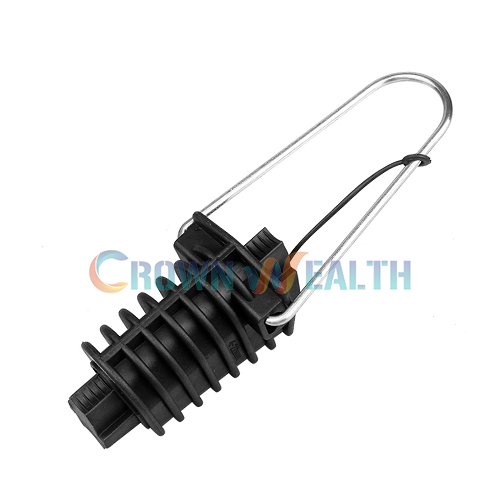
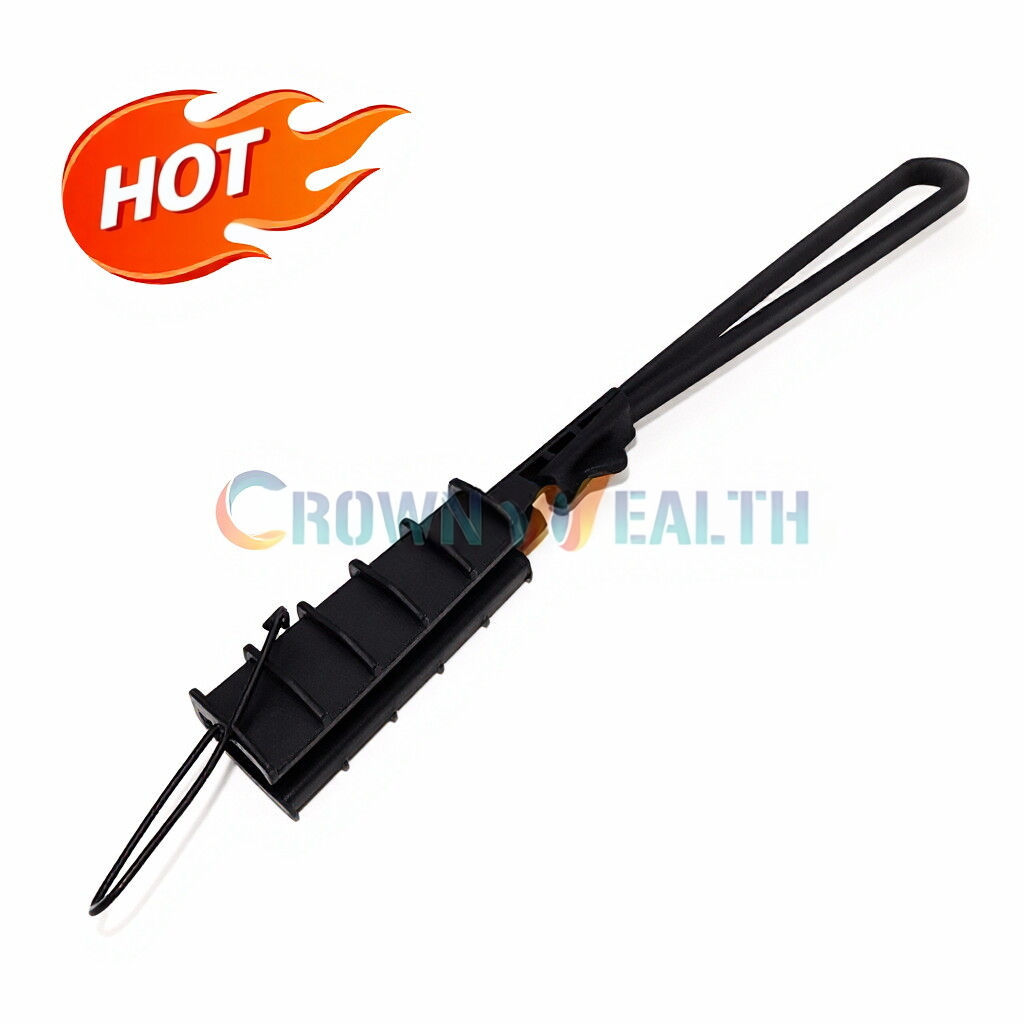
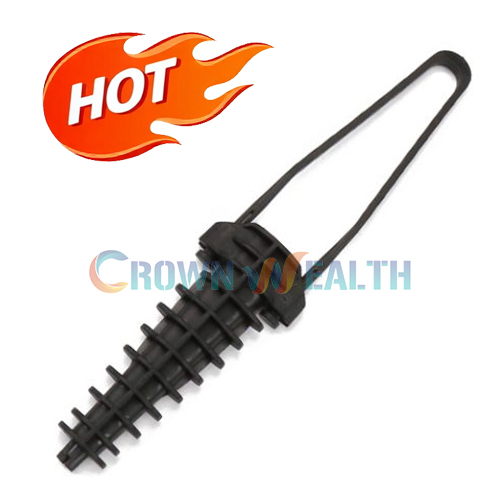
As a supplier of ADSS Fastening Clamps, I often receive inquiries from customers about the minimum temperature these clamps can withstand. This is a crucial question, especially for those planning to install fiber - optic cables in regions with extremely cold climates. In this blog, I will delve into the factors determining the minimum temperature tolerance of ADSS Fastening Clamps and provide some insights based on industry knowledge and our experience.
Material Composition and Temperature Resistance
The material used in manufacturing ADSS Fastening Clamps plays a significant role in determining their minimum temperature tolerance. Most of our ADSS Fastening Clamps are made from high - quality materials such as stainless steel and engineering plastics. Stainless steel is known for its excellent mechanical properties and corrosion resistance. It can maintain its strength and integrity even at low temperatures. The molecular structure of stainless steel allows it to resist brittleness, which is a common problem in metals at cold temperatures.
Engineering plastics used in our clamps are also carefully selected. They are designed to have good flexibility and impact resistance in cold environments. These plastics are formulated to withstand the contraction and expansion caused by temperature changes without cracking or losing their clamping force. For example, some of the plastics we use have a glass transition temperature well below the typical minimum operating temperatures in most regions. The glass transition temperature is the point at which the plastic changes from a hard, glassy state to a more rubbery state. By ensuring that this temperature is low, we can guarantee that the clamps remain functional in cold conditions.
Design Considerations for Cold Environments
The design of ADSS Fastening Clamps is another important factor in determining their cold - weather performance. Our clamps are designed with a proper balance between clamping force and flexibility. In cold temperatures, materials tend to contract, which can affect the clamping force of the clamp. If the clamp is too rigid, it may lose its grip on the ADSS cable as the cable contracts. On the other hand, if it is too flexible, it may not provide sufficient clamping force to secure the cable.
We use a design that allows for some degree of self - adjustment. For instance, the clamping mechanism is designed to adapt to the changes in the cable diameter caused by temperature variations. This ensures that the clamp maintains a consistent and reliable grip on the cable, even when the temperature drops. Additionally, the shape of the clamp is optimized to reduce stress concentrations. Sharp corners and edges can act as stress risers, increasing the likelihood of crack formation in cold conditions. Our clamps are designed with smooth curves and rounded edges to minimize this risk.


Testing and Certification
To ensure the reliability of our ADSS Fastening Clamps in cold environments, we conduct extensive testing. We subject our clamps to a series of temperature - cycling tests in a controlled laboratory environment. These tests simulate the real - world temperature variations that the clamps may encounter during their service life. The clamps are cooled to the minimum expected temperature and then gradually heated back to room temperature. This process is repeated multiple times to check for any signs of damage or loss of performance.
We also follow industry standards and obtain relevant certifications. For example, our clamps meet the requirements of international standards such as IEC (International Electrotechnical Commission) standards for fiber - optic cable fittings. These standards specify the minimum performance criteria for products in different environmental conditions, including low - temperature environments. By adhering to these standards, we can provide our customers with the assurance that our ADSS Fastening Clamps are suitable for use in cold regions.
Typical Minimum Temperature Tolerance
Based on our testing and experience, our ADSS Fastening Clamps can typically withstand a minimum temperature of - 40°C. This temperature range covers most of the cold regions around the world, including parts of North America, Europe, and Asia. However, it's important to note that the actual minimum temperature tolerance may vary depending on the specific model and application of the clamp.
For more extreme cold environments, such as in the Arctic or high - altitude mountain regions, we can provide customized solutions. Our R & D team can work with customers to develop clamps with enhanced cold - weather performance. These customized clamps may use special materials or designs to further improve their temperature resistance.
Related Products and Their Cold - Weather Performance
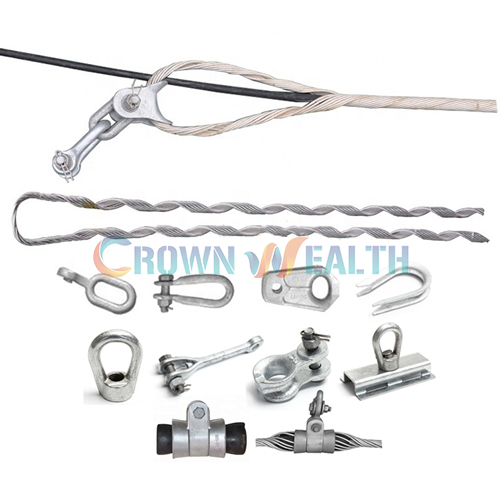
In addition to our standard ADSS Fastening Clamps, we also offer other related products such as Hot Dip Galvanized Strain Clamp, ADSS Suspension Clamp, and ADSS Tension Clamp. These products also have excellent cold - weather performance.
The Hot Dip Galvanized Strain Clamp is made from galvanized steel, which provides good corrosion resistance in cold and humid environments. The galvanization process forms a protective layer on the surface of the steel, preventing rust and oxidation. This ensures that the clamp remains strong and reliable even in harsh cold - weather conditions.
The ADSS Suspension Clamp is designed to support the ADSS cable at regular intervals. It is made from materials that can withstand the weight of the cable and the forces exerted on it due to wind and ice loading. The design of the suspension clamp allows it to adapt to temperature changes, ensuring that the cable remains properly suspended in cold environments.
The ADSS Tension Clamp is used to terminate the ADSS cable and transfer the tension to the supporting structure. It is engineered to maintain its clamping force and mechanical integrity at low temperatures. The materials used in the tension clamp are carefully selected to resist the effects of cold, such as brittleness and loss of elasticity.
Contact Us for Purchasing and Consultation
If you are planning to install ADSS cables in a cold - climate region and need reliable ADSS Fastening Clamps or related products, we are here to help. Our team of experts can provide you with detailed information about the temperature tolerance of our products and assist you in selecting the most suitable clamps for your project. Whether you need standard products or customized solutions, we have the capabilities to meet your requirements. Contact us today to start the purchasing and consultation process.
References
- International Electrotechnical Commission (IEC) standards for fiber - optic cable fittings.
- Technical literature on materials science and engineering related to cold - weather performance of metals and plastics.
- In - house testing reports and research on the performance of ADSS Fastening Clamps in cold environments.