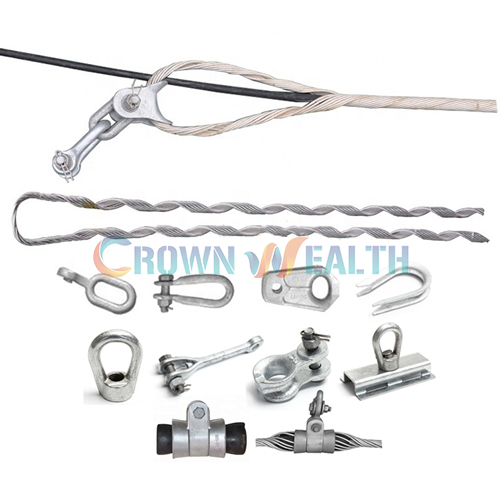
Hey there! I'm a supplier of double suspension clamps, and today I want to have a chat with you about whether these little guys are environmentally friendly.


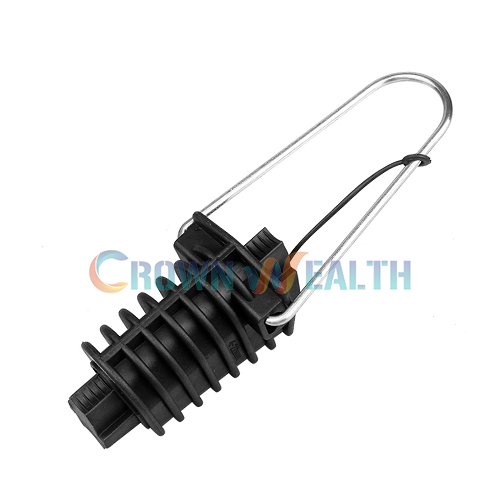
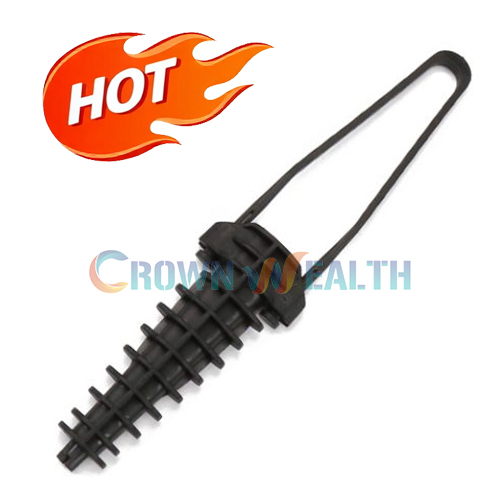
First off, let's understand what double suspension clamps are. They're those nifty devices used in the power and telecommunications industries to support and secure cables. They play a crucial role in keeping our infrastructure up and running, but the question is, what's their impact on the environment?
Material and Manufacturing
The materials used to make double suspension clamps are a big factor when it comes to their environmental friendliness. Most of the time, these clamps are made from metals like aluminum or steel. Aluminum is a great choice because it's lightweight, corrosion - resistant, and highly recyclable. Recycling aluminum takes only about 5% of the energy needed to produce new aluminum from bauxite ore. So, when we use aluminum in our double suspension clamps, we're already making a step in the right direction.
Steel is another common material. While it's strong and durable, the production of steel can be energy - intensive. However, modern steel - making processes have become much more efficient over the years. Also, steel is one of the most recycled materials in the world. Many of the steel products we use today are made from recycled steel, which reduces the demand for virgin materials and the associated environmental impact.
In our manufacturing process, we strive to be as efficient as possible. We use advanced machinery that minimizes waste. For example, we've invested in cutting - edge stamping and molding equipment that can precisely shape the materials, leaving very little scrap. Any scrap that is produced is carefully collected and recycled. This not only reduces the amount of waste going to landfills but also saves on raw material costs.
Energy Consumption During Use
Double suspension clamps are passive devices, which means they don't consume energy during their normal operation. Unlike some electrical or mechanical equipment that needs a continuous power supply, these clamps just sit there, doing their job of holding cables in place. This lack of energy consumption during use is a huge plus for their environmental profile.
They also contribute to the overall energy efficiency of the power and telecommunications systems. By securely holding the cables, they prevent cable sagging and movement, which can cause power losses in electrical cables and signal degradation in fiber - optic cables. In the case of power transmission, even a small reduction in power losses can lead to significant energy savings over time.
Longevity and Durability
One of the key aspects of environmental friendliness is the lifespan of a product. Double suspension clamps are built to last. They're designed to withstand harsh environmental conditions, such as extreme temperatures, high winds, and heavy rain. Their long lifespan means that they don't need to be replaced frequently.
Think about it this way: if a product has to be replaced every few years, more raw materials will be needed for manufacturing, and more energy will be consumed in the production process. But with our double suspension clamps, which can last for decades, we're reducing the overall environmental impact associated with the replacement cycle.
Comparison with Other Similar Products
Let's compare double suspension clamps with some other cable - supporting products. For example, there are Dead - end for Medium and Long Span ADSS. These dead - ends are used to terminate cables, and while they also have their own environmental benefits, double suspension clamps offer a different set of advantages. They're more suitable for suspending cables along a route, and their design allows for better distribution of stress on the cables.
Another product is the ADSS Tension Clamp. Tension clamps are used to apply tension to the cables, while double suspension clamps are mainly for support. Double suspension clamps are often more energy - efficient during installation because they don't require as much force to install as some tension clamps.
Preformed Tension Clamps are also in the same category. Preformed tension clamps are made by pre - shaping the wires, and while they have excellent gripping capabilities, double suspension clamps can be more versatile in terms of cable types and installation scenarios.
End - of - Life Management
When it comes to the end of their useful life, double suspension clamps are relatively easy to manage. As mentioned earlier, since they're made from recyclable materials like aluminum and steel, they can be sent to recycling facilities. Recycling these materials not only reduces the demand for new raw materials but also helps in conserving natural resources.
We also encourage our customers to return the old clamps to us. We have a recycling program in place where we take back the used clamps, sort them, and send them to the appropriate recycling centers. This closed - loop system ensures that the materials are reused in a sustainable way.
Potential Areas for Improvement
Of course, there's always room for improvement. We're constantly researching and developing new materials and manufacturing processes. For example, we're looking into using more sustainable alloys that have even better environmental properties. We're also exploring ways to further reduce the energy consumption during the manufacturing process, such as using renewable energy sources in our factories.
Conclusion
So, are double suspension clamps environmentally friendly? In my opinion, yes, they are. From the materials they're made of, the energy - efficient manufacturing processes, their long lifespan, and easy end - of - life management, they have a relatively low environmental impact.
If you're in the market for double suspension clamps or any other cable - supporting products, I'd love to have a chat with you. We can discuss your specific needs and how our products can fit into your projects. Whether you're working on a power transmission line or a fiber - optic network, we've got the right solutions for you. Let's work together to build a more sustainable infrastructure.
References
- "Aluminum Recycling: An Energy - Efficient Solution", Journal of Sustainable Materials, Vol. 15, Issue 2
- "The Environmental Impact of Steel Production and Recycling", Metal and Mining Review, Vol. 22, Issue 4
- "Energy Efficiency in Power Transmission Systems", Electrical Engineering Journal, Vol. 30, Issue 3