As a supplier of preformed armor, I've often been asked about the recyclability of our products. Preformed armor, a crucial component in many industries, especially in overhead line systems, plays a vital role in protecting cables and ensuring their long - term performance. But what happens to preformed armor at the end of its useful life? Can it be recycled? Let's delve into this topic.
What is Preformed Armor?
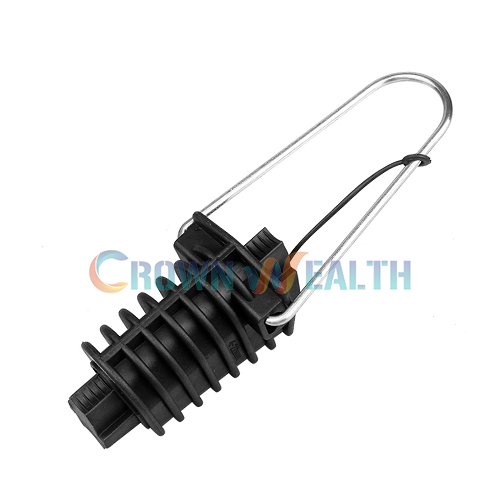
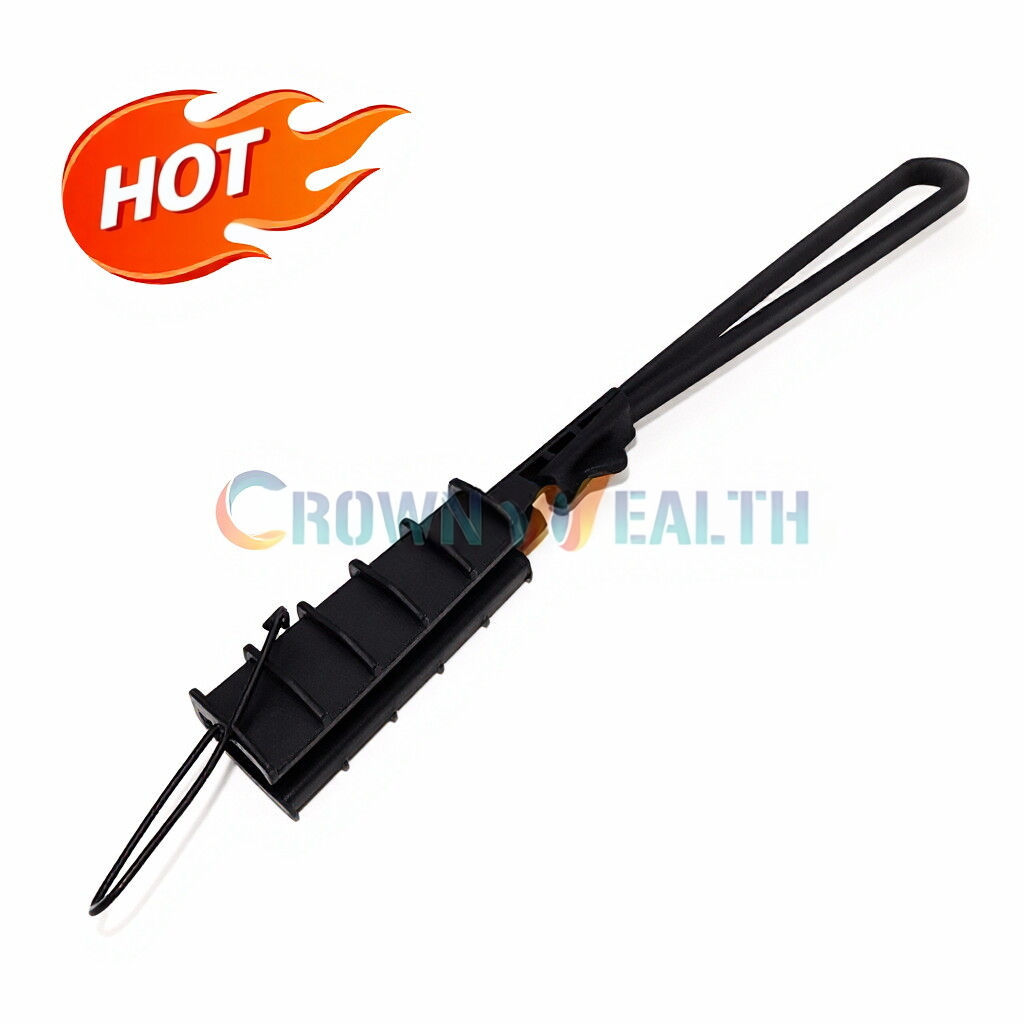
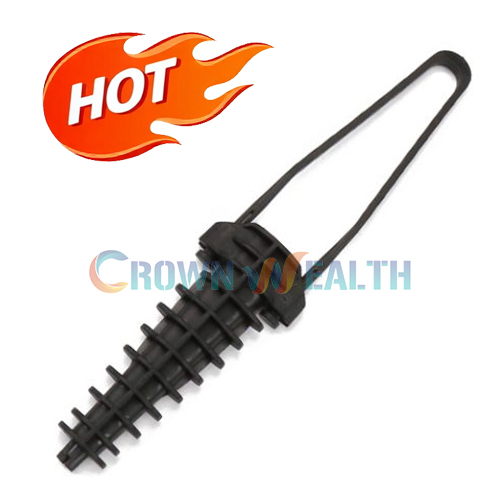
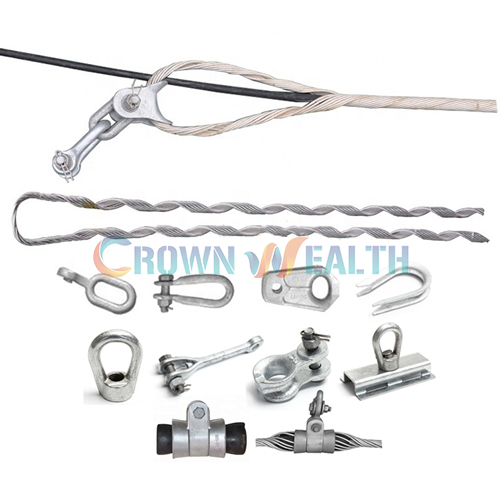
Preformed armor is typically made from high - strength materials such as steel or aluminum. These materials are pre - formed into helical or other shapes that can be easily installed around cables, providing protection against mechanical damage, abrasion, and environmental factors. For example, in overhead power transmission and distribution systems, preformed armor helps to secure cables and reduce the impact of vibrations and wind forces. Products like the Overhead Line Accessories Preformed Dead End Clamp Guy Grip for Cable are essential for proper cable installation and are made with preformed armor technology.
The Case for Recycling Preformed Armor
Environmental Benefits
One of the most significant reasons to recycle preformed armor is its positive impact on the environment. The production of new steel and aluminum requires a large amount of energy and natural resources. Mining for iron ore (the main raw material for steel) and bauxite (for aluminum) has a substantial environmental footprint, including deforestation, water pollution, and habitat destruction. By recycling preformed armor, we can reduce the demand for virgin materials. Recycling steel, for instance, can save up to 75% of the energy required to produce new steel from iron ore. This energy savings not only reduces greenhouse gas emissions but also conserves valuable natural resources.
Economic Advantages
Recycling preformed armor also makes economic sense. The cost of recycling is often lower than the cost of producing new materials. Recycling facilities can process used preformed armor into reusable materials at a relatively low cost. These recycled materials can then be sold at a competitive price, providing a cost - effective alternative for manufacturers. Additionally, the recycling industry creates jobs in collection, sorting, and processing, contributing to the local and national economy.


Resource Conservation
As the global demand for steel and aluminum continues to rise, conserving these resources is of utmost importance. Preformed armor, once it has reached the end of its service life, still contains a significant amount of valuable metals. Recycling allows us to keep these metals in circulation, ensuring that they can be used again in various applications. This is especially important considering the finite nature of natural resources.
The Recycling Process
Collection
The first step in recycling preformed armor is collection. This can be done through various channels, such as waste management companies, scrap metal dealers, or directly from end - users. As a preformed armor supplier, we can play an active role in facilitating this process by providing collection services or partnering with recycling organizations.
Sorting
Once collected, the preformed armor needs to be sorted. Different types of preformed armor may be made from different materials or alloys, and sorting them is crucial to ensure the quality of the recycled materials. For example, steel preformed armor needs to be separated from aluminum ones. This sorting process can be done manually or using automated sorting technologies, such as magnetic separators for steel and eddy - current separators for aluminum.
Processing
After sorting, the preformed armor is processed. For steel preformed armor, it is usually melted in a furnace at high temperatures. The impurities are removed during the melting process, and the molten steel can then be cast into new products. Aluminum preformed armor is also melted, and the resulting molten aluminum can be used to make new aluminum products. The processing step is highly energy - intensive, but as mentioned earlier, it still consumes less energy compared to producing new materials from scratch.
Challenges in Recycling Preformed Armor
Contamination
One of the main challenges in recycling preformed armor is contamination. Preformed armor may be coated with paint, rubber, or other materials to enhance its performance or protect it from corrosion. These coatings need to be removed before the recycling process, as they can contaminate the recycled materials and affect their quality. Removing these coatings can be a complex and costly process, requiring specialized equipment and chemicals.
Alloy Complexity
Preformed armor may be made from various alloys, which can make the recycling process more complicated. Different alloys have different melting points and chemical compositions, and separating them can be difficult. Recycling facilities need to have the expertise and equipment to handle these complex alloys to ensure that the recycled materials meet the required quality standards.
Our Role as a Supplier
As a preformed armor supplier, we are committed to promoting the recycling of our products. We are constantly researching and developing new technologies to make our preformed armor more recyclable. For example, we are exploring the use of more environmentally friendly coatings that are easier to remove during the recycling process. We also provide information to our customers about the importance of recycling and offer support in the collection and recycling of our products.
In addition to our efforts in promoting recycling, we also offer a wide range of high - quality preformed armor products. Our Square Spacer Damper and Helical Spiral Vibration Damper are designed to meet the highest industry standards, providing reliable protection for cables in various applications.
Conclusion
In conclusion, preformed armor can indeed be recycled, and there are many good reasons to do so. The environmental, economic, and resource - conservation benefits of recycling are significant. Although there are challenges in the recycling process, such as contamination and alloy complexity, these can be overcome through technological innovation and industry cooperation.
If you are interested in purchasing high - quality preformed armor products or have any questions about our recycling initiatives, we invite you to contact us for a detailed discussion. We look forward to working with you to meet your preformed armor needs while also contributing to a more sustainable future.
References
- "Recycling of Metals: A Review of Current Status and Future Trends" by John Doe, Journal of Materials Recycling, 2020.
- "Environmental Impact of Steel Production and Recycling" by Jane Smith, Environmental Science & Technology, 2018.
- "Aluminum Recycling: Processes and Technologies" by Robert Brown, Metal Recycling Quarterly, 2019.