Do protective fittings have a smell? That's a question I often get asked as a supplier of protective fittings. And the answer isn't as straightforward as you might think.
Let's start with the basics. Protective fittings come in all shapes and sizes, and they're made from a variety of materials. Some are made from rubber, others from plastic, and still others from metal. Each material has its own unique properties, and some of those properties can affect whether or not the fitting has a smell.
Rubber is a common material used in protective fittings. It's flexible, durable, and can withstand a lot of wear and tear. However, rubber can also have a distinct odor, especially when it's new. This odor is usually caused by the chemicals used in the manufacturing process. These chemicals can off-gas, which means they release small amounts of vapor into the air. The vapor is what you smell.
Plastic is another material commonly used in protective fittings. Like rubber, plastic can also have a smell, especially if it's made from low-quality materials. Cheaper plastics may contain additives or fillers that can produce an unpleasant odor. On the other hand, high-quality plastics are often odorless or have a very mild smell that dissipates quickly.
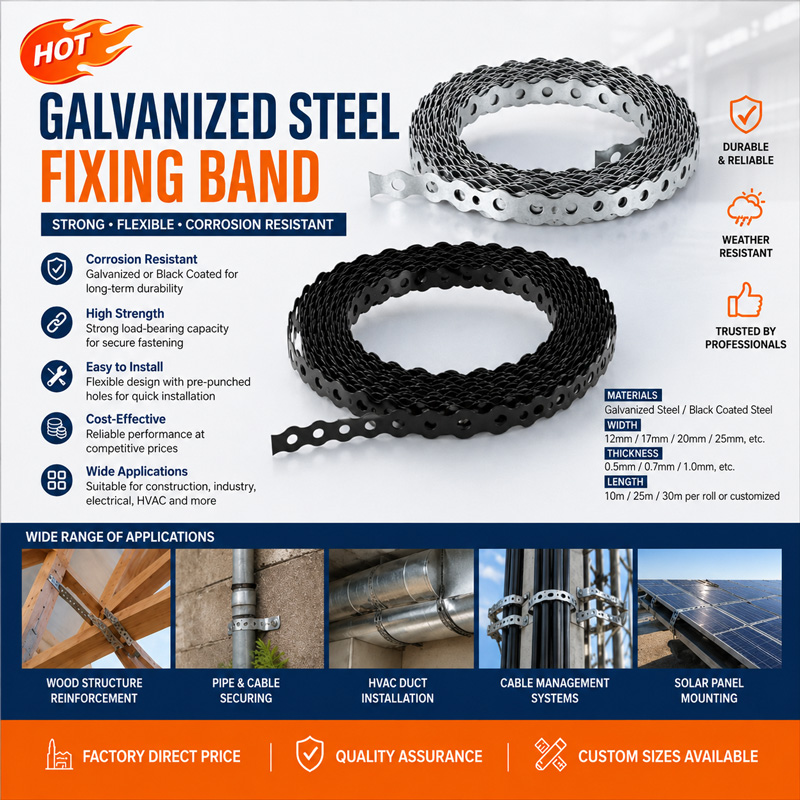
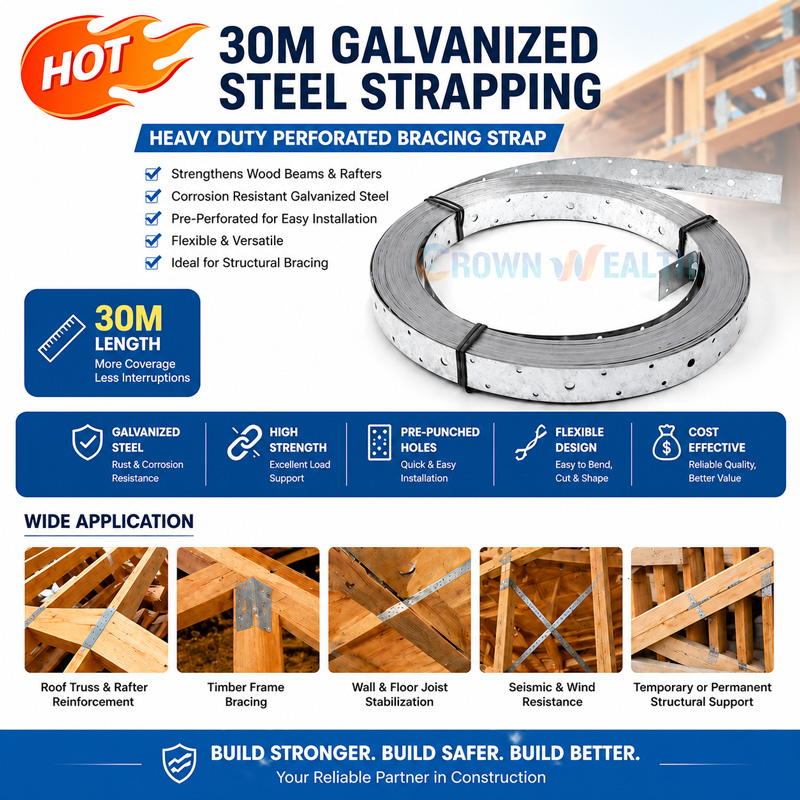
Metal protective fittings, such as those made from stainless steel or aluminum, generally don't have a smell. Metals are inert materials, which means they don't react with the air or other substances to produce an odor. However, if the metal has been treated with a coating or finish, there may be a slight smell associated with the treatment.
Now, let's talk about how the manufacturing process can affect the smell of protective fittings. During the manufacturing process, protective fittings are often exposed to heat, pressure, and chemicals. These factors can cause the materials to break down or react with each other, which can produce an odor. For example, if rubber is overheated during the molding process, it can release sulfur compounds, which have a strong, unpleasant smell.
In addition to the manufacturing process, the storage and transportation of protective fittings can also affect their smell. If the fittings are stored in a hot, humid environment, they may absorb moisture, which can cause them to develop a musty smell. Similarly, if the fittings are transported in a closed container with other smelly materials, they may pick up the odor of those materials.
So, do all protective fittings have a smell? The answer is no. While some protective fittings may have a slight smell, especially when they're new, many high-quality fittings are odorless or have a very mild smell that dissipates quickly. As a supplier, I take great care to ensure that the protective fittings I offer are of the highest quality and have minimal odor.
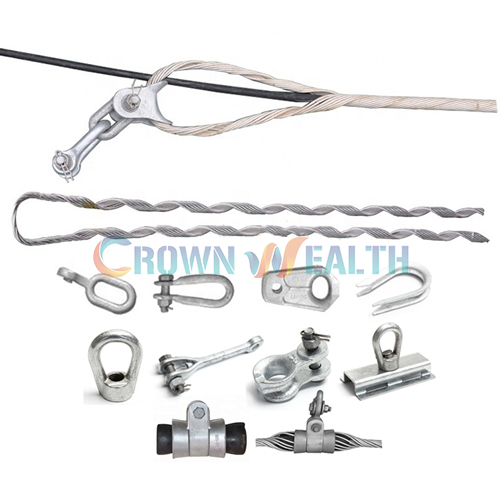
To give you an idea of the types of protective fittings I supply, here are a few examples:
- Square Spacer Damper: This type of damper is used to control the flow of air in ventilation systems. It's made from high-quality materials and is designed to be durable and long-lasting.
- Helical Spiral Vibration Damper: This damper is used to reduce vibration in cables and wires. It's made from a flexible material that can absorb and dissipate energy, which helps to prevent damage to the cables and wires.
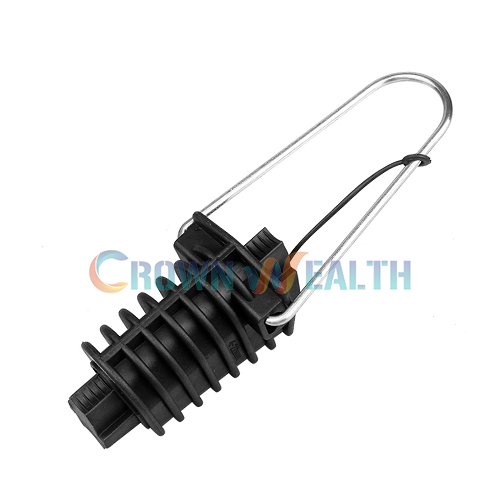
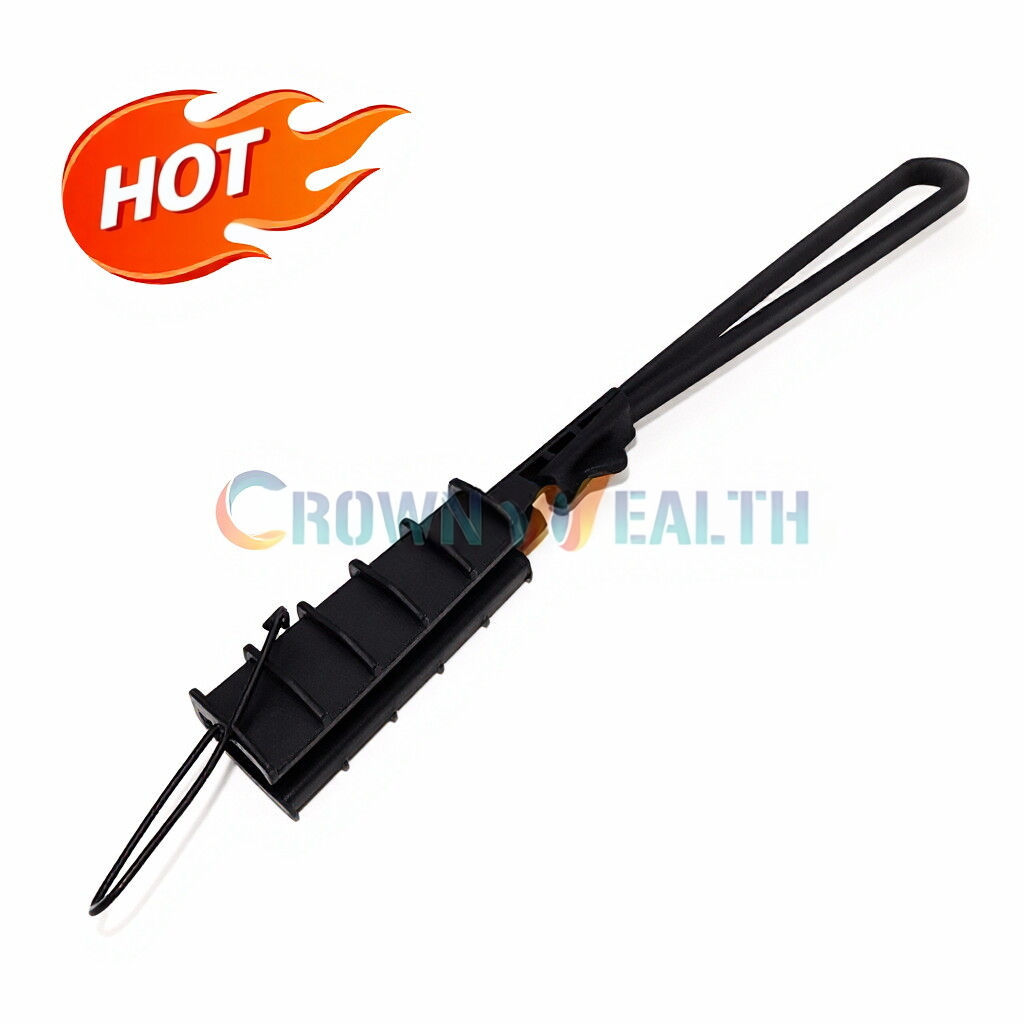
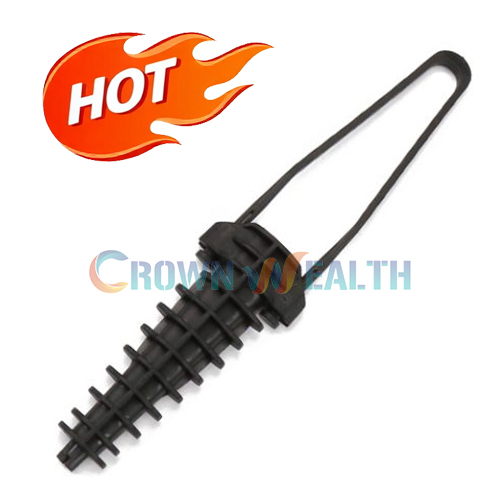
- Cable Guy Grips: These grips are used to secure cables and wires to poles or other structures. They're made from a strong, durable material that can withstand the elements and provide a secure hold.
If you're in the market for protective fittings, I encourage you to consider the smell factor. While a slight smell may not be a deal-breaker, it's something to keep in mind, especially if you're using the fittings in an enclosed space or in an environment where odor is a concern.
At my company, we offer a wide range of protective fittings that are designed to meet the needs of our customers. Whether you're looking for a specific type of fitting or need help choosing the right one for your application, I'm here to assist you. We pride ourselves on providing high-quality products at competitive prices, and we're committed to customer satisfaction.


If you have any questions or would like to discuss your protective fitting needs, please don't hesitate to reach out. I'm happy to answer any questions you may have and provide you with a quote. Let's work together to find the perfect protective fittings for your project.
References
- "Materials Science and Engineering: An Introduction" by William D. Callister Jr. and David G. Rethwisch
- "Rubber Technology: Compounding, Mixing, and Vulcanization" by Maurice Morton
- "Plastics Engineering Handbook of the Society of Plastics Engineers" by Myer Kutz