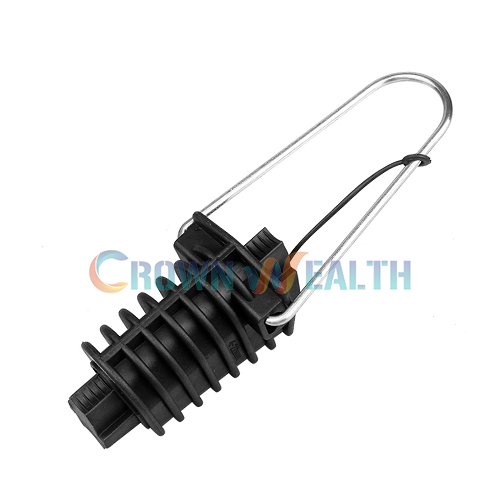
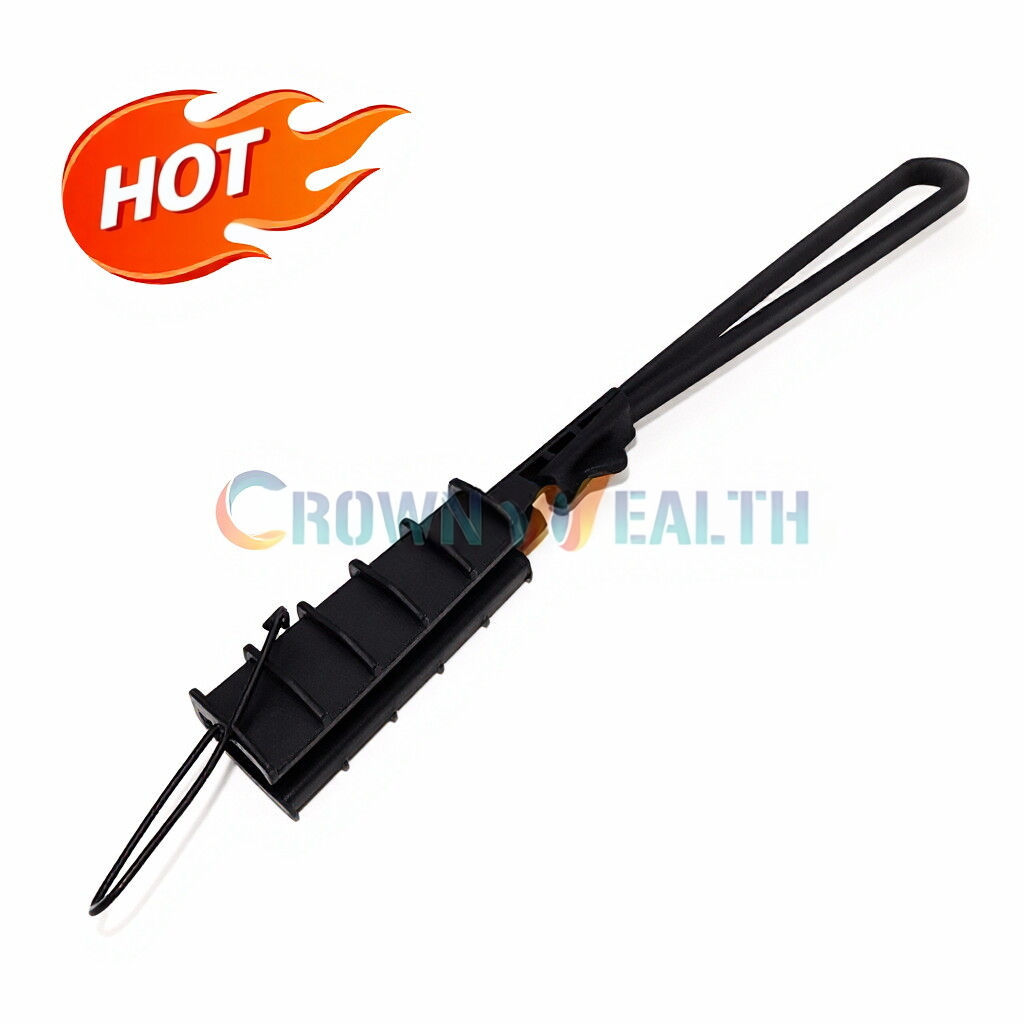
Selecting the appropriate size of ADSS (All-Dielectric Self-Supporting) fastening clamp is a crucial decision that can significantly impact the performance, safety, and longevity of your fiber optic cable installation. As a trusted ADSS fastening clamp supplier, I understand the complexities involved in this process. In this blog post, I will share some key considerations and guidelines to help you choose the right size of ADSS fastening clamp for your specific needs.
Understanding ADSS Fastening Clamps
Before delving into the selection process, it's essential to understand what ADSS fastening clamps are and their role in fiber optic cable installations. ADSS cables are designed to be self-supporting, meaning they can be installed without the need for a separate messenger wire. Fastening clamps are used to secure these cables to poles, towers, or other support structures. They provide mechanical support, prevent cable movement, and protect the cable from environmental factors such as wind, ice, and vibration.
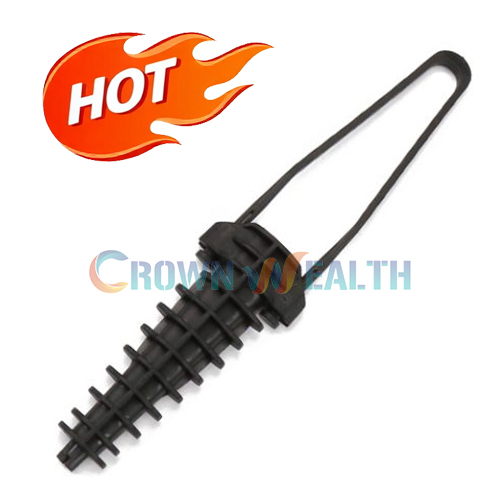
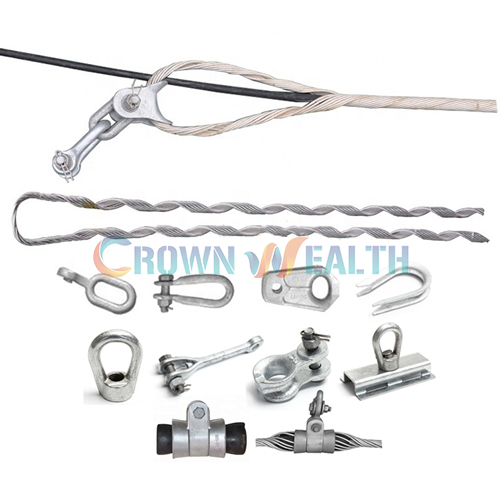
There are several types of ADSS fastening clamps available, including Performed Suspension Clamp, Fastening Fixture, and Dead-end for Medium and Long Span ADSS. Each type has its own unique features and applications, so it's important to choose the right one for your specific installation requirements.
Key Factors to Consider When Choosing the Right Size
Cable Diameter
The most critical factor in choosing the right size of ADSS fastening clamp is the diameter of the cable. ADSS cables come in a variety of diameters, typically ranging from 10mm to 25mm. It's essential to select a clamp that is specifically designed to fit the diameter of your cable. Using a clamp that is too small can cause damage to the cable, while using a clamp that is too large may not provide sufficient support, leading to cable movement and potential failure.
To determine the correct cable diameter, you can refer to the cable manufacturer's specifications or use a caliper to measure the cable directly. Make sure to measure the cable at multiple points along its length to account for any variations in diameter.
Tension and Load Requirements
Another important consideration is the tension and load requirements of your cable installation. ADSS cables are typically installed under tension to ensure proper sag and alignment. The amount of tension required depends on several factors, including the span length, cable weight, and environmental conditions.
The fastening clamp must be able to withstand the tension and load forces exerted on the cable without slipping or failing. When selecting a clamp, consider the maximum tension and load ratings specified by the manufacturer. Make sure to choose a clamp that has a higher rating than the expected tension and load requirements of your installation to ensure a safe and reliable connection.
Environmental Conditions
The environmental conditions at the installation site can also have a significant impact on the performance of the ADSS fastening clamp. Factors such as temperature, humidity, wind, ice, and UV exposure can all affect the durability and integrity of the clamp.
For example, in areas with high wind speeds or heavy ice loads, you may need to choose a clamp that is designed to withstand these extreme conditions. Look for clamps that are made from high-quality materials, such as stainless steel or aluminum, which are resistant to corrosion and weathering. Additionally, consider clamps that have been tested and certified to meet industry standards for environmental performance.
Installation Method
The installation method you choose can also influence the size and type of ADSS fastening clamp you need. There are several different installation methods available, including suspension, dead-end, and intermediate support. Each method requires a specific type of clamp and installation technique.
For suspension installations, you will typically need a Performed Suspension Clamp that is designed to support the weight of the cable and allow for some movement. Dead-end installations, on the other hand, require a Dead-end for Medium and Long Span ADSS that is designed to anchor the cable securely at the end of the span.
Make sure to choose a clamp that is compatible with your chosen installation method and follow the manufacturer's installation instructions carefully to ensure a proper and secure connection.
Compatibility with Other Components
Finally, it's important to consider the compatibility of the ADSS fastening clamp with other components of your cable installation, such as the cable hardware, connectors, and support structures. The clamp must be able to work seamlessly with these components to ensure a reliable and efficient system.
For example, make sure that the clamp is compatible with the type of cable hardware you are using, such as the suspension hardware or dead-end hardware. Additionally, consider the size and shape of the support structure and make sure that the clamp can be easily installed and secured to it.
Step-by-Step Guide to Choosing the Right Size
Step 1: Gather Information
The first step in choosing the right size of ADSS fastening clamp is to gather all the necessary information about your cable installation. This includes the cable diameter, tension and load requirements, environmental conditions, installation method, and compatibility with other components.
Refer to the cable manufacturer's specifications, engineering drawings, and installation guidelines to obtain this information. If you have any questions or need further assistance, don't hesitate to contact the cable manufacturer or a professional engineer.
Step 2: Research and Compare Clamps
Once you have gathered all the necessary information, it's time to research and compare different types and sizes of ADSS fastening clamps. Look for clamps that are specifically designed for your cable diameter, tension and load requirements, and environmental conditions.
Consider the features and benefits of each clamp, such as ease of installation, durability, and compatibility with other components. Read customer reviews and testimonials to get an idea of the performance and reliability of the clamps.


Step 3: Consult with a Professional
If you are unsure about which size or type of ADSS fastening clamp to choose, it's always a good idea to consult with a professional. A qualified engineer or technician can help you evaluate your installation requirements and recommend the most suitable clamp for your needs.
They can also provide you with detailed installation instructions and advice on how to ensure a safe and reliable connection. Additionally, they can help you troubleshoot any issues that may arise during the installation process.
Step 4: Make Your Selection
After conducting your research and consulting with a professional, it's time to make your selection. Choose the ADSS fastening clamp that best meets your installation requirements and budget. Make sure to purchase the clamp from a reputable supplier to ensure the quality and reliability of the product.
Step 5: Install and Test the Clamp
Once you have received your ADSS fastening clamp, it's time to install and test it. Follow the manufacturer's installation instructions carefully to ensure a proper and secure connection. Make sure to use the appropriate tools and equipment for the installation.
After the installation is complete, test the clamp to ensure that it is working properly. Check for any signs of slippage, damage, or movement. If you notice any issues, contact the manufacturer or a professional for assistance.
Conclusion
Choosing the right size of ADSS fastening clamp is a critical step in ensuring the performance, safety, and longevity of your fiber optic cable installation. By considering the cable diameter, tension and load requirements, environmental conditions, installation method, and compatibility with other components, you can select the most suitable clamp for your needs.
As a trusted ADSS fastening clamp supplier, I am committed to providing high-quality products and excellent customer service. If you have any questions or need further assistance in choosing the right size of ADSS fastening clamp, please don't hesitate to contact me. I would be happy to help you with your cable installation needs.
References
- Manufacturer's specifications and installation guidelines for ADSS cables and fastening clamps.
- Industry standards and codes for fiber optic cable installations.
- Engineering textbooks and publications on cable installation and design.