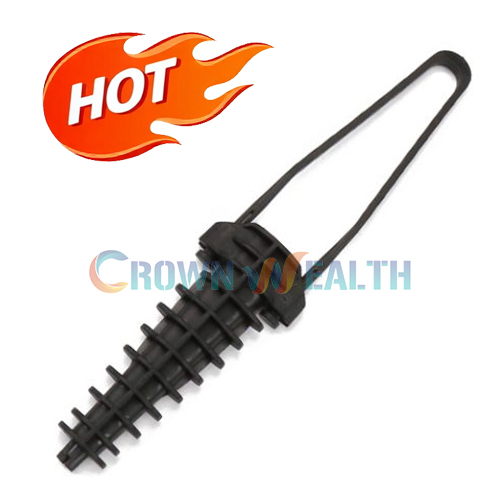
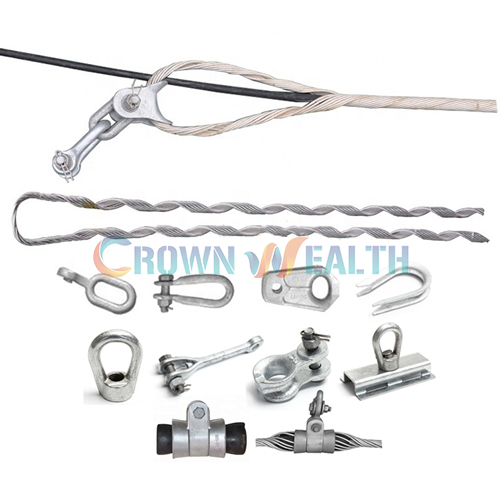
In the realm of modern optical communication networks, the seamless transmission of data is of paramount importance. Among the numerous components that contribute to the efficient operation of these networks, the OPGW Strain Clamp plays a crucial and often under - appreciated role. As a dedicated OPGW Strain Clamp supplier, I am excited to delve into the significance of this essential device and explore its various functions within optical communication networks.
Understanding OPGW and the Need for Strain Clamps
Optical Ground Wire (OPGW) is a specialized cable that combines the functions of a traditional ground wire and an optical fiber cable. It is commonly used in high - voltage power transmission lines, where it not only provides lightning protection but also serves as a medium for high - speed data communication. The OPGW cable is exposed to various environmental factors such as wind, ice, and temperature changes. These external forces can cause mechanical stress on the cable, which may lead to damage or even breakage if not properly managed.
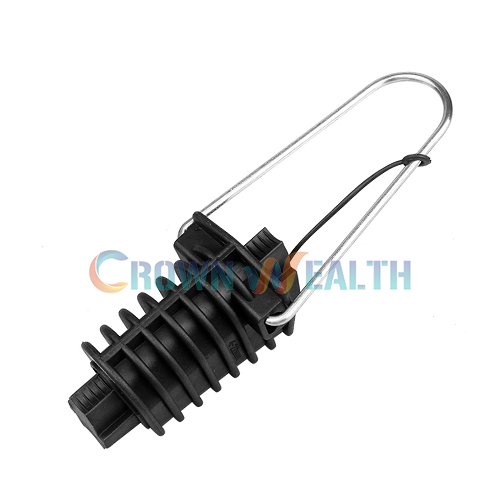
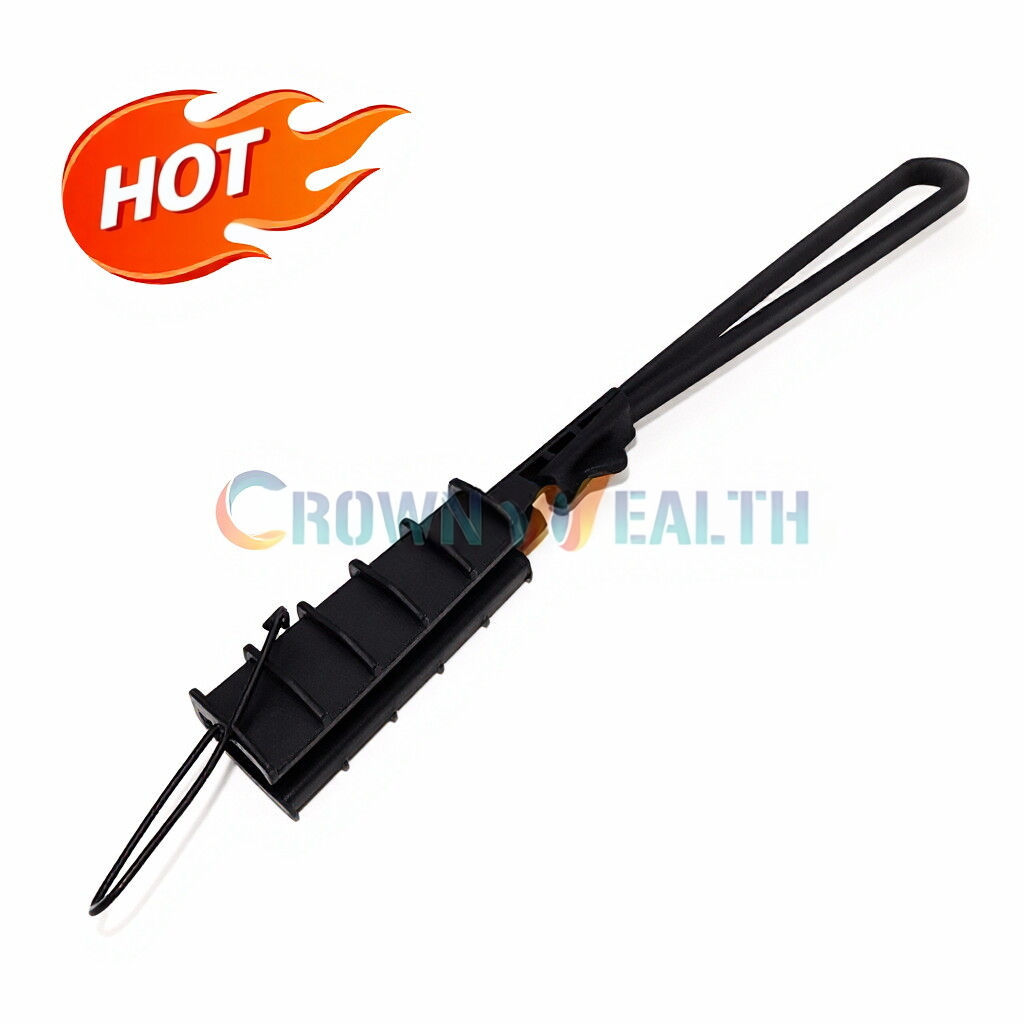
This is where the OPGW Strain Clamp comes into play. The primary function of an OPGW Strain Clamp is to securely hold the OPGW cable in place and transfer the mechanical load from the cable to the supporting structure. By doing so, it prevents excessive tension and stress from being applied directly to the cable, thereby protecting the optical fibers inside and ensuring the long - term reliability of the communication network.
Key Roles of OPGW Strain Clamps in Optical Communication Networks
Mechanical Support and Load Transfer
One of the most fundamental roles of the OPGW Strain Clamp is to provide mechanical support to the OPGW cable. When the cable is installed on power transmission towers, it is subject to significant gravitational and wind forces. The strain clamp is designed to grip the cable firmly and transfer these forces to the tower or other supporting structures. This ensures that the cable remains in its proper position and does not sag or swing excessively, which could otherwise lead to damage over time.
For example, in areas with strong winds, the OPGW cable may experience significant lateral forces. The strain clamp distributes these forces evenly along the length of the cable, reducing the risk of local stress concentration. Similarly, during ice storms, the additional weight of the ice can cause the cable to stretch. The strain clamp helps to resist this stretching force and maintain the integrity of the cable.
Protection of Optical Fibers
The optical fibers inside the OPGW cable are extremely delicate and can be easily damaged by mechanical stress. The OPGW Strain Clamp is engineered to protect these fibers by minimizing the stress and bending that they experience. It ensures that the tension applied to the cable is within the acceptable limits for the optical fibers, preventing micro - bending and macro - bending losses.
Micro - bending losses occur when the optical fibers are subjected to small - scale deformations, which can cause light to leak out of the fiber core. Macro - bending losses, on the other hand, are caused by large - scale bends in the fiber. By using a high - quality OPGW Strain Clamp, the risk of both types of losses is significantly reduced, resulting in improved signal quality and transmission efficiency.
Facilitation of Installation and Maintenance
OPGW Strain Clamps also play a vital role in the installation and maintenance of optical communication networks. They are designed to be easy to install, allowing for quick and efficient deployment of the OPGW cable. The clamps are typically pre - formed or adjustable, which means that they can be easily adapted to different cable sizes and installation requirements.
During maintenance, the strain clamps can be easily removed and reinstalled, allowing technicians to access the cable for inspection, repair, or replacement. This reduces the downtime of the communication network and minimizes the impact on the end - users.
Different Types of OPGW Strain Clamps
There are several types of OPGW Strain Clamps available in the market, each with its own unique features and advantages.
OPGW Preformed Tension Clamp
The OPGW Preformed Tension Clamp is made of pre - formed wires that are wrapped around the OPGW cable. These wires are designed to distribute the tension evenly along the length of the cable, providing excellent grip and load - bearing capacity. The pre - formed design also makes the clamp easy to install, as it can be quickly wrapped around the cable without the need for complex tools or procedures.
OPGW Performed Helical Suspension Clamp
The OPGW Performed Helical Suspension Clamp is used to suspend the OPGW cable from the supporting structure. It consists of a helical wire that is wrapped around the cable and a suspension hardware that is attached to the tower. This type of clamp provides a stable suspension for the cable and helps to reduce the stress on the cable caused by wind and vibration.
OPGW Preformed Helical Tension Clamp
The OPGW Preformed Helical Tension Clamp combines the features of the pre - formed tension clamp and the helical design. It provides a high - strength grip on the cable and effectively transfers the tension to the supporting structure. The helical shape also helps to reduce the stress concentration on the cable, making it suitable for use in harsh environmental conditions.
Quality and Reliability of OPGW Strain Clamps
As an OPGW Strain Clamp supplier, I understand the importance of providing high - quality products. The performance of the OPGW Strain Clamp directly affects the reliability and efficiency of the optical communication network. Therefore, we adhere to strict quality control standards in the manufacturing process.
We use high - quality materials such as galvanized steel or aluminum alloy, which are resistant to corrosion and have excellent mechanical properties. Our clamps are also tested rigorously to ensure that they meet or exceed the industry standards for load - bearing capacity, grip strength, and durability.
In addition to quality, we also focus on innovation and continuous improvement. We are constantly researching and developing new designs and technologies to enhance the performance of our OPGW Strain Clamps. For example, we are exploring the use of advanced materials and manufacturing processes to reduce the weight of the clamps while maintaining their strength and reliability.
Conclusion
In conclusion, the OPGW Strain Clamp is an indispensable component in optical communication networks. It provides essential mechanical support, protects the optical fibers, and facilitates the installation and maintenance of the network. As a leading OPGW Strain Clamp supplier, we are committed to providing high - quality products that meet the diverse needs of our customers.


If you are in the process of building or upgrading an optical communication network, we invite you to contact us for a detailed discussion about your requirements. Our team of experts is ready to provide you with professional advice and customized solutions. We look forward to the opportunity to work with you and contribute to the success of your project.
References
- International Electrotechnical Commission (IEC). Standards for optical fiber cables and related accessories.
- Institute of Electrical and Electronics Engineers (IEEE). Guidelines for the design and installation of optical communication networks.
- Industry whitepapers on the performance and application of OPGW Strain Clamps.