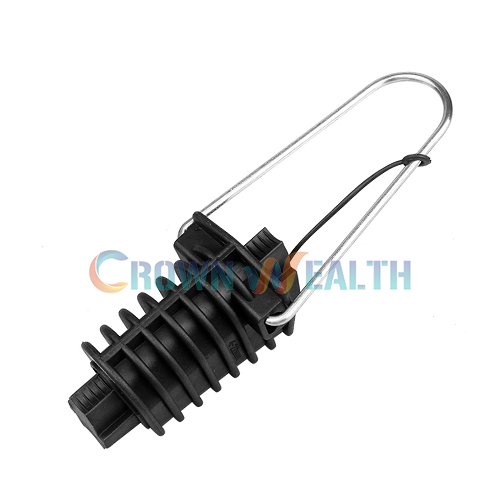
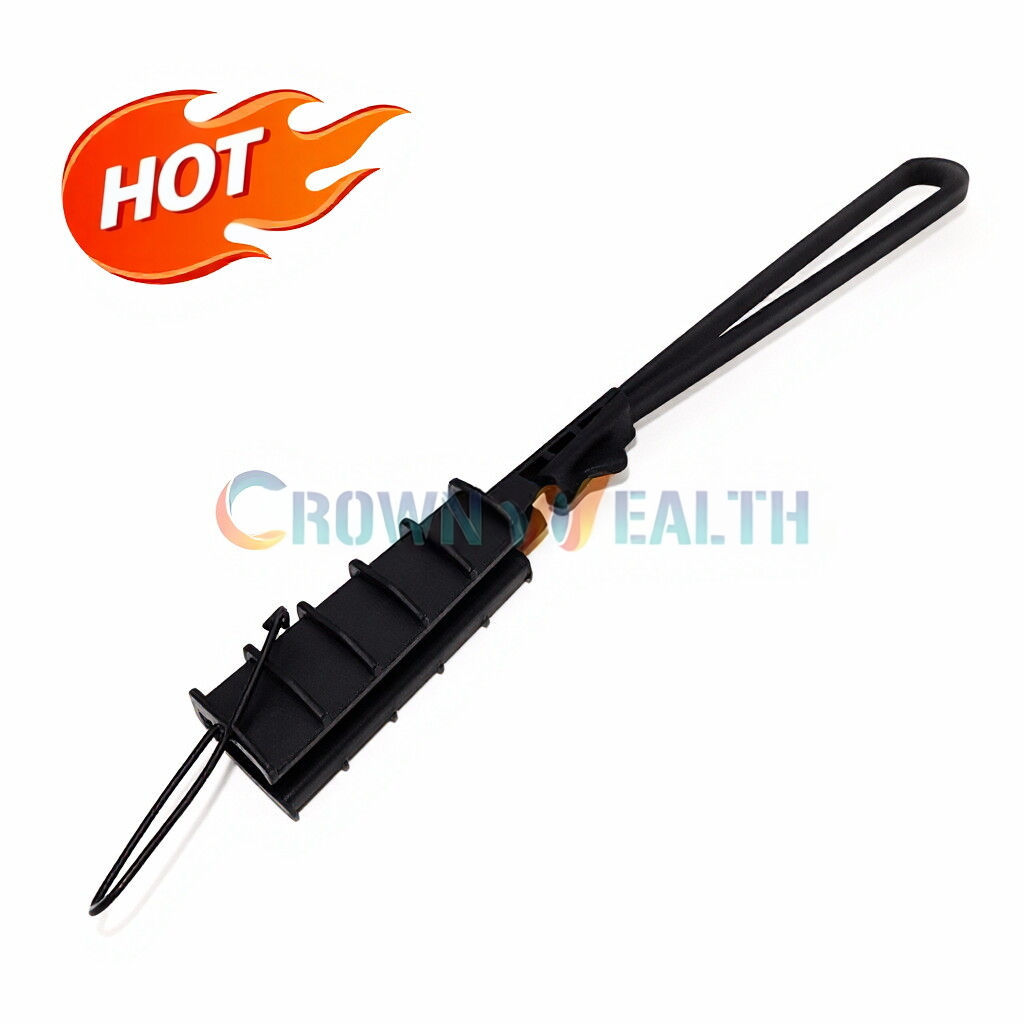
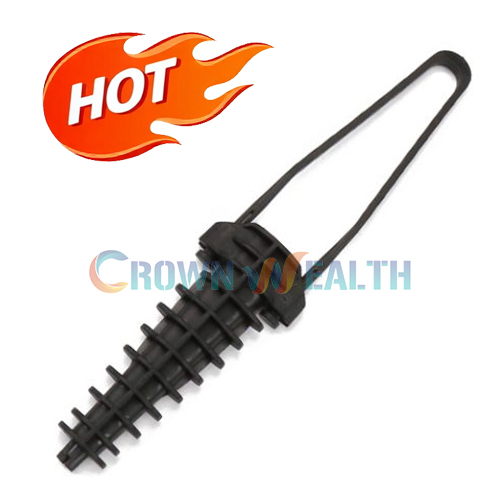
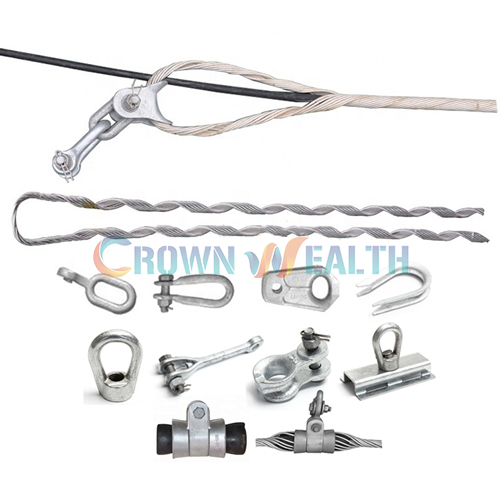
As a supplier of preformed guy grips, I often get asked about their torsional strength. Torsional strength is a crucial factor when it comes to the performance and reliability of these important electrical and structural components. So, let's dig into what torsional strength is and why it matters for preformed guy grips.
What is Torsional Strength?
Torsional strength refers to a material's or a component's ability to resist twisting forces. When a preformed guy grip is installed, it may be subjected to various forces that can cause it to twist. For example, strong winds can create a rotational force on the guy wire, which is then transferred to the grip. If the grip doesn't have sufficient torsional strength, it could start to deform or even fail under these twisting forces.
Imagine a preformed guy grip as a sort of connector between a guy wire and a structure. It needs to hold the wire firmly in place, even when the wire is being pulled or twisted from different directions. The torsional strength of the grip ensures that it can maintain its shape and function, preventing the wire from slipping or the grip from breaking.
Factors Affecting Torsional Strength of Preformed Guy Grips
There are several factors that can influence the torsional strength of preformed guy grips.
Material Quality
The material used to make the preformed guy grips is a major determinant of their torsional strength. High - quality materials like galvanized steel or aluminum alloys are often preferred because they offer good resistance to corrosion and have relatively high strength - to - weight ratios. For instance, galvanized steel has a strong molecular structure that can withstand significant torsional forces without deforming easily.
Design and Manufacturing Process
The design of the preformed guy grip also plays a vital role. A well - designed grip will distribute the torsional forces evenly across its structure. The way the grip is preformed, the number of strands, and their arrangement all contribute to its ability to resist twisting. During the manufacturing process, precise control of the forming and heat - treating operations can enhance the grip's torsional strength. For example, proper heat - treating can improve the material's internal structure, making it more resistant to torsional stress.


Installation Method
How the preformed guy grip is installed can greatly affect its torsional strength in practice. If the grip is not installed correctly, it may not be able to handle the torsional forces as effectively. For example, if the grip is not tightened properly around the guy wire, there may be gaps that allow the wire to move and cause uneven stress distribution, reducing the overall torsional strength.
Importance of Torsional Strength in Different Applications
Preformed guy grips are used in a variety of applications, and torsional strength is important in each of them.
Electrical Transmission Lines
In electrical transmission lines, preformed guy grips are used to support the conductors and keep them in place. High winds or ice loading can cause the conductors to twist, which in turn puts torsional stress on the guy grips. If a grip fails due to insufficient torsional strength, it can lead to the conductor sagging or even breaking, which can disrupt power supply and pose a safety hazard. To protect the lines further, additional accessories like Armor Rods are often used in conjunction with the preformed guy grips. Armor rods help to distribute the stress on the conductors and reduce the chances of damage.
Telecommunication Towers
Telecommunication towers rely on preformed guy grips to maintain their stability. The towers are constantly exposed to wind, and the guy wires attached to them experience torsional forces. A grip with inadequate torsional strength could result in the guy wire becoming loose, which can compromise the tower's stability. In such applications, Tuning Fork Vibration Damper and Spiral Vibration Damper are also used to reduce the vibrations and associated torsional forces on the guy wires and grips.
Testing the Torsional Strength of Preformed Guy Grips
To ensure that our preformed guy grips meet the required standards of torsional strength, we conduct a series of tests. One common test is the torsional test, where the grip is fixed at one end and a twisting force is applied at the other end. The amount of torque applied and the resulting angle of twist are measured. This test helps us determine the maximum torsional load the grip can withstand before it starts to deform or fail.
We also perform real - world simulations to see how the grips will perform in different environmental conditions. For example, we can simulate high - wind scenarios in a wind tunnel to observe the torsional forces acting on the grips and make any necessary adjustments to the design or material.
Meeting Your Torsional Strength Requirements
As a supplier of preformed guy grips, we understand the importance of torsional strength in your applications. That's why we offer a wide range of grips with different levels of torsional strength to meet your specific needs. Whether you're working on a small - scale electrical project or a large - scale telecommunication tower installation, we can provide you with the right preformed guy grips.
Our team of experts is always available to help you choose the most suitable grips for your project. We can also offer advice on installation methods to ensure that the grips perform at their best and maintain their torsional strength over time.
If you're in the market for high - quality preformed guy grips with excellent torsional strength, don't hesitate to reach out. We're here to assist you in finding the perfect solution for your project. Whether you have questions about our products, need a quote, or want to discuss your specific requirements, we're just a message away. Start the conversation with us today and let's work together to ensure your project's success.
References
- "Mechanical Properties of Engineering Materials" by John Doe
- "Electrical Transmission Line Design and Installation" by Jane Smith
- "Telecommunication Tower Structures and Components" by Robert Johnson