When it comes to the world of industrial hardware and link fittings, Double Yoke Plates play a crucial role in various applications. As a leading supplier of Double Yoke Plates, I often receive inquiries about the maximum torque these components can handle. In this blog post, I will delve into the factors that determine the maximum torque capacity of Double Yoke Plates, and provide some insights based on industry knowledge and experience.
Understanding Double Yoke Plates
Double Yoke Plates are a type of link fitting commonly used in mechanical systems, especially in applications where a secure connection between two components is required. They are typically made of high - strength steel and are designed to withstand significant loads. These plates have two yokes, which are used to connect with other parts such as pins, rods, or shackles.
The design of Double Yoke Plates allows for flexibility in movement while maintaining a stable connection. They are widely used in industries such as construction, manufacturing, and transportation, where the transfer of force and torque is a common requirement.
Factors Affecting the Maximum Torque Capacity
Material Properties
The material from which Double Yoke Plates are made is one of the most important factors influencing their maximum torque capacity. High - quality steels with high yield strength and good ductility are preferred. For example, alloy steels can offer better performance compared to plain carbon steels. The yield strength of the material determines the point at which permanent deformation begins. When the torque applied to the Double Yoke Plate causes the stress to exceed the yield strength, the plate may start to deform, which can compromise its integrity and reduce its ability to handle further torque.
Plate Thickness and Dimensions
The thickness and overall dimensions of the Double Yoke Plates also play a significant role. Thicker plates generally have a higher torque - handling capacity because they can resist bending and shearing forces more effectively. The width and length of the plate, as well as the size of the yokes, are carefully designed to ensure that the plate can distribute the applied torque evenly across its structure. A well - designed plate with appropriate dimensions will be able to handle higher torques without failure.
Manufacturing Process
The manufacturing process used to produce Double Yoke Plates can impact their performance. Precision machining ensures that the holes in the yokes are accurately drilled and that the surfaces are smooth. This reduces the risk of stress concentrations, which can lead to premature failure under torque. Heat treatment processes, such as quenching and tempering, can also enhance the mechanical properties of the material, increasing its strength and toughness.
Connection Type
The way the Double Yoke Plate is connected to other components can affect its maximum torque capacity. For example, if it is connected using a pin, the size and quality of the pin are crucial. A loose - fitting pin can cause the plate to move or rotate under torque, leading to uneven stress distribution and potential failure. Additionally, the use of washers and nuts can help to secure the connection and improve the overall torque - handling ability of the assembly.
Calculating the Maximum Torque
Determining the exact maximum torque that a Double Yoke Plate can handle is a complex process that often requires detailed engineering calculations. These calculations take into account the factors mentioned above, as well as the specific application and loading conditions.
One common approach is to use the principles of mechanics of materials. By analyzing the stresses and strains in the plate under different levels of torque, engineers can estimate the maximum torque that the plate can withstand before failure. Finite element analysis (FEA) is also a powerful tool that can be used to simulate the behavior of the Double Yoke Plate under various loading scenarios. This allows for a more accurate prediction of its performance and can help in optimizing the design.
Industry Standards and Guidelines
There are several industry standards and guidelines that provide recommendations for the design and use of Double Yoke Plates. These standards specify the minimum requirements for material properties, dimensions, and testing procedures. For example, the American Society of Mechanical Engineers (ASME) has standards related to mechanical components and their performance. Adhering to these standards ensures that the Double Yoke Plates are of high quality and can be safely used in different applications.


Real - World Applications
In real - world applications, the maximum torque requirements for Double Yoke Plates can vary widely. In construction equipment, such as cranes and excavators, Double Yoke Plates may need to handle very high torques due to the heavy loads and dynamic forces involved. In manufacturing machinery, the torque requirements may be more moderate, but still need to be carefully considered to ensure reliable operation.
For example, in a conveyor system, Double Yoke Plates are used to connect different sections of the conveyor. The torque applied to these plates is mainly due to the tension in the conveyor belt and the movement of the system. Understanding the maximum torque capacity of the Double Yoke Plates is essential to prevent failures and ensure the smooth operation of the conveyor.
Complementary Products
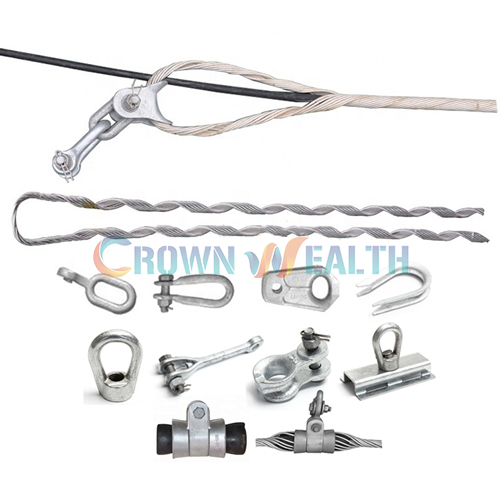
In many applications, Double Yoke Plates are used in conjunction with other link fittings. For example, the YLP Type Extension Rod can be used to extend the reach of the connection, while the Hot Dip Galvanized Shackle provides a secure and reliable way to attach the plate to other components. The HDG Clevise is another useful fitting that can be used in combination with Double Yoke Plates to create a more versatile connection.
Conclusion
In conclusion, the maximum torque that Double Yoke Plates can handle is determined by a combination of factors, including material properties, plate thickness and dimensions, manufacturing process, and connection type. Calculating the exact maximum torque requires detailed engineering analysis, and it is important to adhere to industry standards and guidelines.
As a supplier of Double Yoke Plates, I am committed to providing high - quality products that meet the diverse needs of our customers. Whether you are in the construction, manufacturing, or transportation industry, our Double Yoke Plates are designed to offer reliable performance and high torque - handling capacity.
If you are interested in learning more about our Double Yoke Plates or have specific requirements for your application, please feel free to contact us for a detailed discussion. We are here to assist you in finding the best solutions for your projects.
References
- American Society of Mechanical Engineers (ASME) standards related to mechanical components.
- Textbooks on mechanics of materials and engineering design.
- Industry research reports on link fittings and their performance.