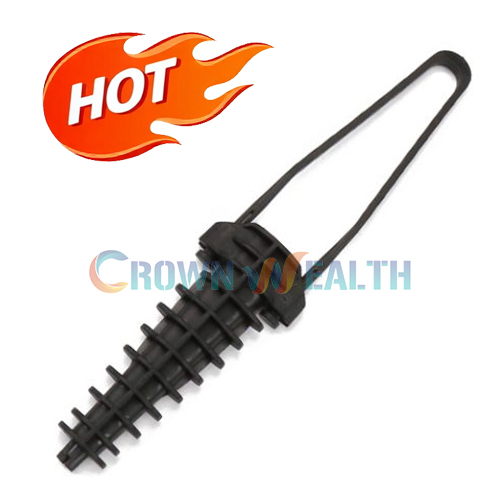
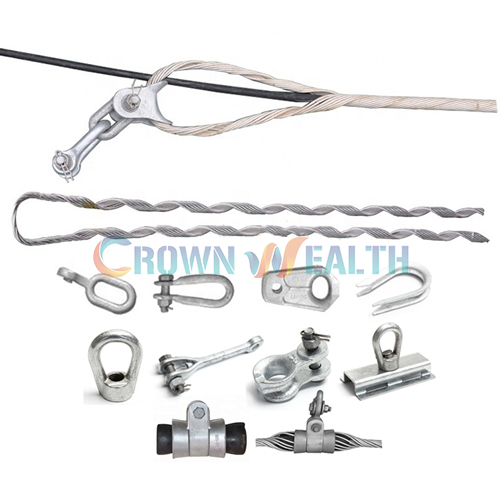
Installing ADSS (All-Dielectric Self-Supporting) fastening clamps on cables in high-pollution environments requires a meticulous approach to ensure both the longevity of the cable and the effectiveness of the clamping system. As a trusted ADSS fastening clamp supplier, I understand the unique challenges posed by high-pollution areas and have extensive experience in providing solutions that stand the test of time.
Understanding the Challenges of High-Pollution Environments
High-pollution areas, such as industrial zones, coastal regions, and areas near power plants, expose cables to a variety of contaminants. These contaminants can include dust, salt, chemicals, and other particulate matter. Over time, these pollutants can accumulate on the cable surface, leading to corrosion, insulation degradation, and reduced mechanical strength. Additionally, the presence of pollutants can affect the performance of the fastening clamps, potentially leading to loosening, slippage, or even failure.
Selecting the Right ADSS Fastening Clamps
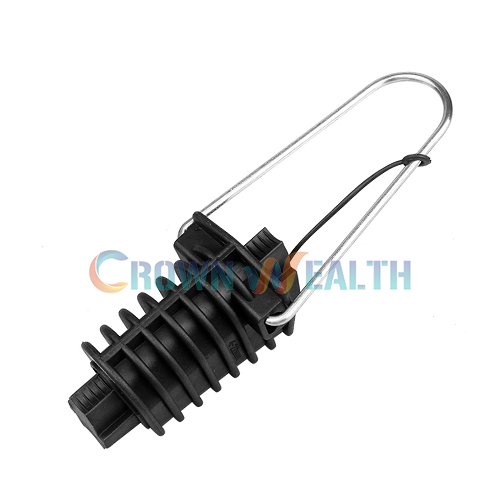
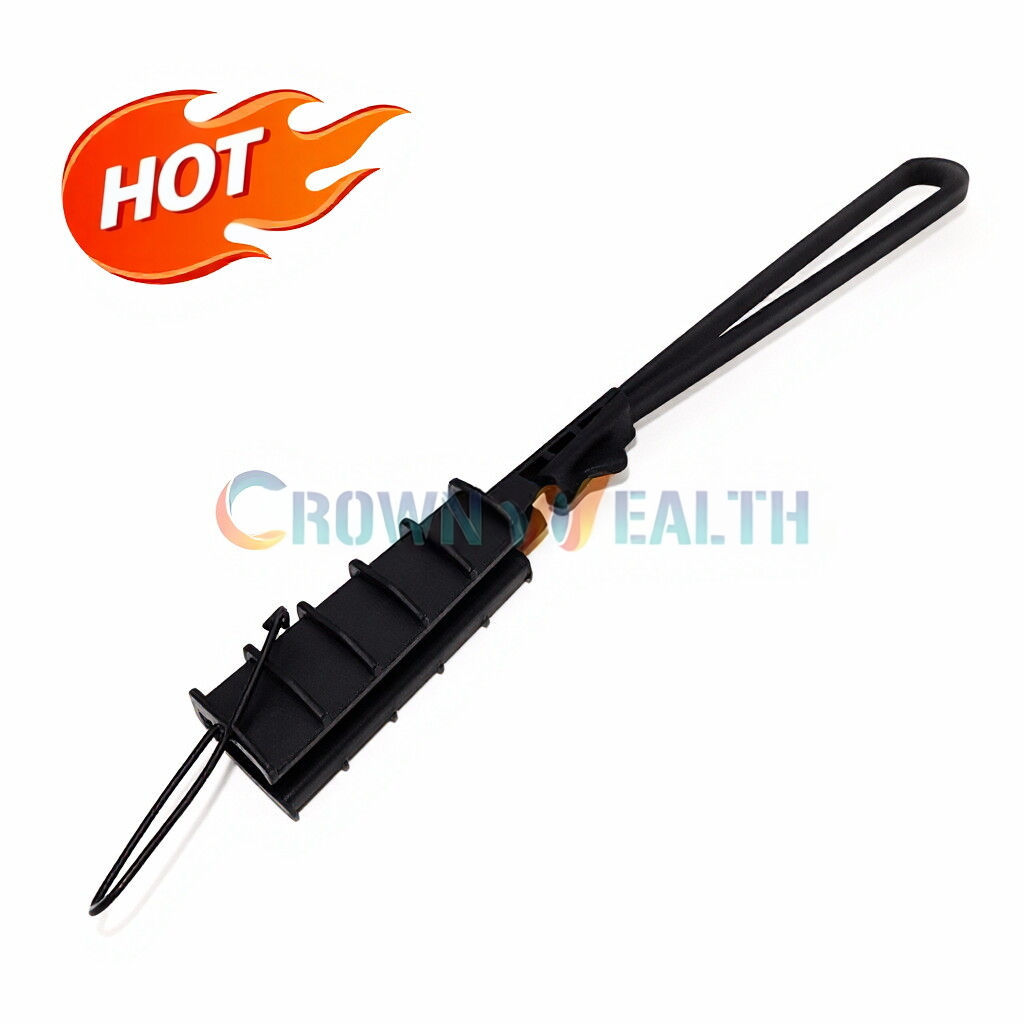
The first step in installing ADSS fastening clamps on a cable with a high pollution level is to select the appropriate clamps for the job. There are several types of ADSS fastening clamps available, each designed for specific applications and cable sizes. Some of the most common types of ADSS fastening clamps include Overhead Line Suspension Clamp, Preformed Double Suspension Clamp, and Preformed Helical Tension Clamp.
When selecting ADSS fastening clamps for a high-pollution environment, it is important to consider the following factors:
- Material: Choose clamps made from materials that are resistant to corrosion and environmental degradation. Stainless steel, aluminum alloy, and high-strength plastics are all good choices for high-pollution environments.
- Design: Look for clamps with a design that minimizes the accumulation of pollutants. Smooth surfaces, rounded edges, and self-cleaning features can all help to prevent the buildup of dirt and debris on the clamps.
- Compatibility: Ensure that the clamps are compatible with the cable size and type. Using the wrong size or type of clamp can lead to improper installation, reduced performance, and potential safety hazards.
Preparing the Cable for Installation
Before installing the ADSS fastening clamps, it is important to prepare the cable surface to ensure a secure and reliable connection. This involves cleaning the cable to remove any dirt, debris, or contaminants that may be present. A clean cable surface will improve the adhesion of the clamps and reduce the risk of corrosion and other damage.
To clean the cable, use a soft brush or cloth and a mild detergent solution. Avoid using abrasive materials or harsh chemicals, as these can damage the cable insulation. Rinse the cable thoroughly with clean water and allow it to dry completely before proceeding with the installation.
Installing the ADSS Fastening Clamps
Once the cable is clean and dry, it is time to install the ADSS fastening clamps. The installation process will vary depending on the type of clamp being used, but the following general steps can be followed:
- Position the Clamps: Determine the appropriate location for the clamps along the cable. This will depend on the specific application and the requirements of the installation. Use a measuring tape or other measuring device to ensure that the clamps are evenly spaced and positioned correctly.
- Attach the Clamps: Follow the manufacturer's instructions to attach the clamps to the cable. This may involve using bolts, screws, or other fasteners. Make sure that the clamps are tightened securely, but do not overtighten them, as this can damage the cable or the clamps.
- Inspect the Installation: Once the clamps are installed, inspect the installation to ensure that it is secure and reliable. Check for any signs of damage or improper installation, such as loose bolts, misaligned clamps, or damaged cable insulation. If any issues are found, correct them immediately before proceeding.
Protecting the Clamps and Cable from Pollution
After installing the ADSS fastening clamps, it is important to take steps to protect them from pollution and other environmental factors. This can help to extend the lifespan of the clamps and the cable and ensure their continued performance.
Some of the ways to protect the clamps and cable from pollution include:
- Coating the Clamps: Apply a protective coating to the clamps to prevent corrosion and other damage. There are several types of coatings available, including epoxy, polyurethane, and zinc-rich paints. Choose a coating that is compatible with the clamp material and the environmental conditions.
- Using Protective Covers: Install protective covers over the clamps to prevent the accumulation of dirt and debris. These covers can be made from a variety of materials, such as plastic, rubber, or metal. Make sure that the covers are properly installed and sealed to prevent water and other contaminants from entering.
- Regular Maintenance: Establish a regular maintenance schedule to inspect and clean the clamps and cable. This can help to identify and address any issues before they become serious problems. During the maintenance process, check for any signs of corrosion, damage, or loosening of the clamps. Clean the clamps and cable as needed to remove any dirt, debris, or contaminants.
Monitoring the Installation
Once the ADSS fastening clamps are installed and protected, it is important to monitor the installation regularly to ensure its continued performance. This can involve visual inspections, electrical testing, and other monitoring techniques.
During the monitoring process, look for any signs of damage, corrosion, or loosening of the clamps. Check the cable for any signs of wear or damage, such as frayed insulation or broken strands. If any issues are found, take immediate action to address them to prevent further damage and ensure the safety and reliability of the installation.
Conclusion
Installing ADSS fastening clamps on a cable with a high pollution level requires careful planning, proper selection of materials and equipment, and attention to detail during the installation process. By following the steps outlined in this blog post, you can ensure a secure and reliable installation that will withstand the challenges of high-pollution environments.
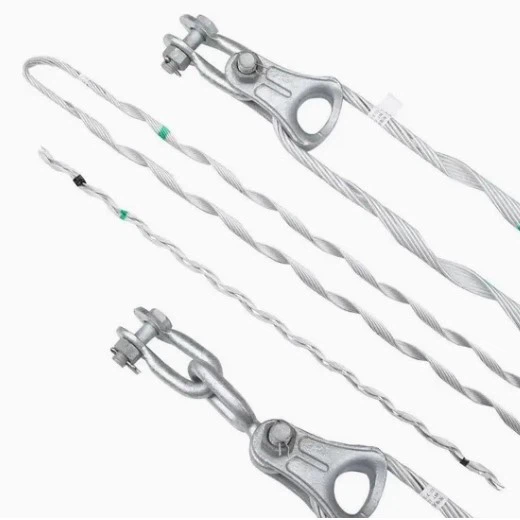

As a leading ADSS fastening clamp supplier, we are committed to providing our customers with high-quality products and expert advice. If you have any questions or need assistance with your ADSS fastening clamp installation, please do not hesitate to contact us. We look forward to working with you to meet your needs and ensure the success of your project.
References
- IEEE Std 1138-2012, IEEE Standard for the Design, Installation, and Maintenance of All-Dielectric Self-Supporting (ADSS) Fiber Optic Cable Systems.
- Telcordia GR-20-CORE, Generic Requirements for Optical Fiber and Optical Fiber Cable.
- International Electrotechnical Commission (IEC) standards related to fiber optic cable installation and maintenance.