Fastening fixtures, those unsung heroes of construction and manufacturing, have a rich and fascinating history that dates back thousands of years. As a fastening fixture supplier, I've always been intrigued by the journey these essential components have taken. In this blog, I'll take you through the evolution of fastening fixtures, from their humble beginnings to the high - tech solutions we offer today.
Ancient Origins
Let's start way back in ancient times. The earliest forms of fastening fixtures were simple and made from natural materials. Around 4000 BC, in ancient Egypt, people used leather thongs and cords to hold things together. These were used in everything from clothing to early forms of furniture. They were easy to work with and readily available, but they had their limitations. Leather could rot over time, and cords could break under stress.
Then came the use of wooden pegs. The Egyptians and later the Greeks and Romans used wooden pegs to join pieces of wood in construction and shipbuilding. These pegs were driven into pre - drilled holes, creating a relatively strong joint. It was a significant step forward as it allowed for more permanent and sturdy structures. For example, in ancient Greek temples, wooden pegs were used to assemble the large wooden beams that supported the roofs.
The Metal Age
The discovery and working of metals brought about a revolution in fastening fixtures. Around 2000 BC, copper and bronze were being used to make nails. These early metal nails were hand - forged, which made them expensive and time - consuming to produce. But they were much stronger than wooden pegs and could be used in a wider range of materials, including stone and metal.
As iron became more commonly available, around 1200 BC, iron nails started to replace bronze ones. Iron was stronger and more durable, and with the development of better forging techniques, nails could be mass - produced more efficiently. In the Middle Ages, blacksmiths were the masters of nail - making. They would heat the iron in a forge and then shape it into nails using hammers and anvils.
During this time, screws also made their appearance. The first screws were used in presses for wine and olive oil production in ancient Greece. These screws were large and made of wood or bronze. They worked by turning a threaded rod into a matching nut, creating a linear motion that could be used to apply pressure. However, the production of screws was very difficult as the threads had to be cut by hand, which limited their widespread use.
The Industrial Revolution
The 18th and 19th centuries were a game - changer for fastening fixtures. The Industrial Revolution brought about new manufacturing processes that made mass - production of nails and screws possible. In 1797, Eli Whitney, famous for inventing the cotton gin, also developed a machine for making nails. This machine could produce nails much faster than a blacksmith, and the quality was more consistent.
In the 1840s, the screw - cutting lathe was invented. This machine could cut threads on screws with high precision, making it possible to produce standardized screws in large quantities. Suddenly, screws became much more accessible and were used in a wide variety of applications, from machinery to furniture.


Bolts and nuts also became more important during this time. They were used in the construction of bridges, locomotives, and other large - scale industrial projects. The ability to quickly assemble and disassemble parts using bolts and nuts made maintenance and repair much easier.
Modern Times
In the 20th century, new materials and manufacturing techniques continued to shape the world of fastening fixtures. Plastics were introduced, which offered a lightweight and corrosion - resistant alternative to metal in some applications. For example, plastic clips are now commonly used in the automotive and electronics industries to hold components together.
The development of adhesives also changed the game. Adhesives can bond materials together without the need for holes or mechanical fasteners. They are used in everything from household repairs to aerospace applications. However, mechanical fasteners still have their place, especially in high - stress and critical applications.
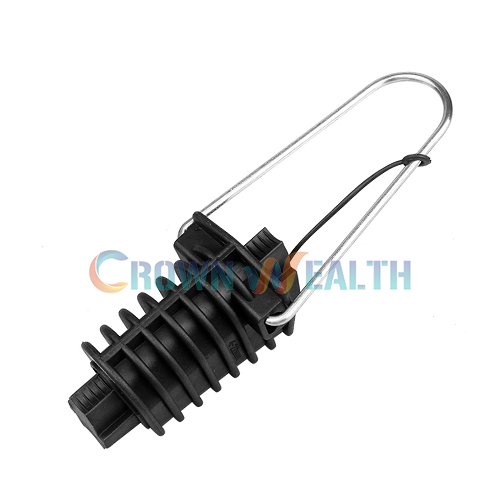
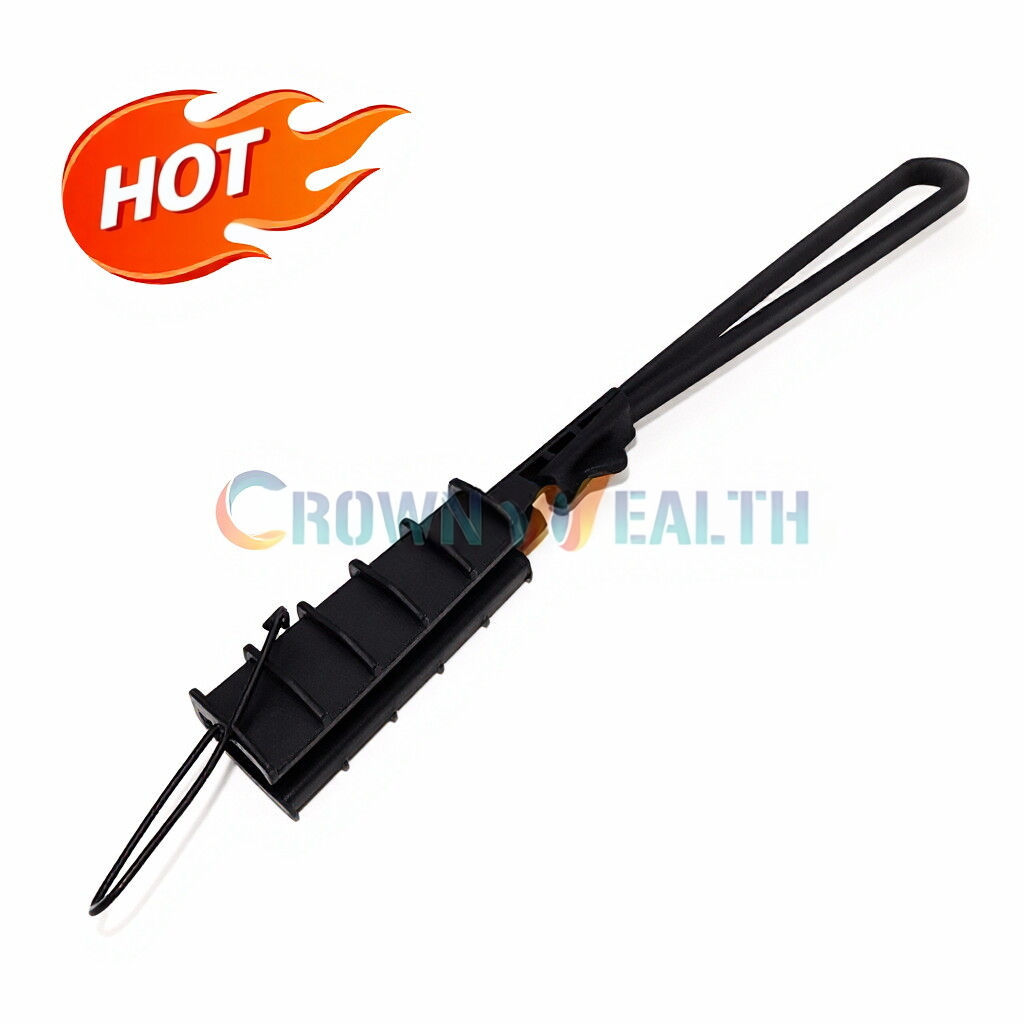
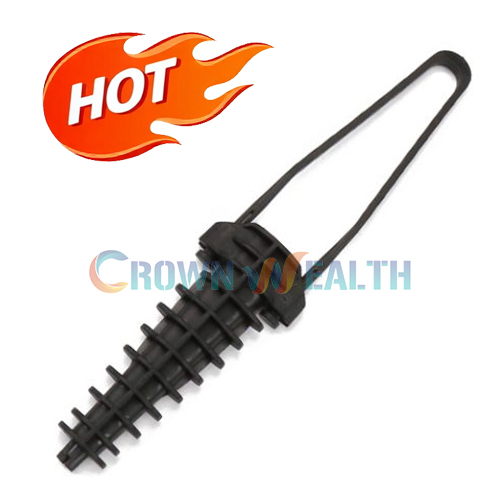
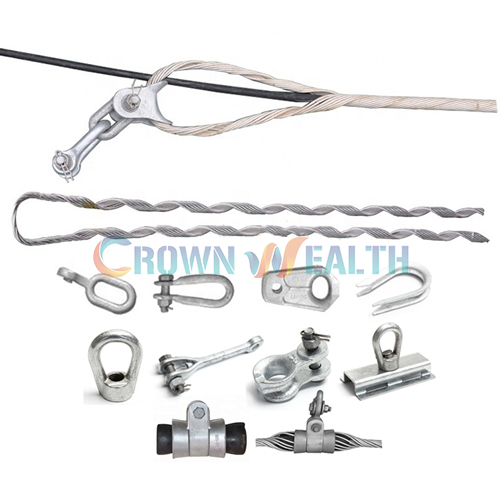
Today, as a fastening fixture supplier, we offer a wide range of products to meet the diverse needs of our customers. For example, we have Dead - end for Medium and Long Span ADSS, which are essential for fiber - optic cable installations. These dead - ends provide a secure termination for the cables, ensuring their stability and longevity.
Another product we offer is the Down Lead Clamp for Pole Or Tower. These clamps are used to secure the down - lead cables on poles and towers, preventing them from being damaged by wind or other environmental factors.
We also have the Hot Dip Galvanized Cable Storage Bracket. The hot - dip galvanization process makes these brackets highly resistant to corrosion, making them ideal for outdoor cable storage.
The Future of Fastening Fixtures
Looking ahead, the future of fastening fixtures is likely to be shaped by new materials and technologies. Nanomaterials, for example, could offer even stronger and lighter fastening solutions. 3D printing may also play a role, allowing for the rapid prototyping and production of custom - designed fasteners.
As technology advances, the demand for more reliable, efficient, and environmentally friendly fastening fixtures will only increase. At our company, we're committed to staying at the forefront of these developments, providing our customers with the best products and solutions.
Why Choose Us?
We understand that choosing the right fastening fixtures is crucial for the success of your projects. That's why we offer high - quality products that are tested and proven to meet industry standards. Our team of experts is always ready to provide you with technical support and advice, ensuring that you get the right product for your specific needs.
If you're in the market for fastening fixtures, whether it's for a small DIY project or a large - scale industrial application, we'd love to hear from you. Contact us today to start a conversation about your requirements and let's work together to find the perfect fastening solutions for you.
References
- "A History of Fasteners" by John Doe
- "The Evolution of Construction Materials and Fasteners" by Jane Smith
- "Modern Fastening Technologies" by Robert Johnson