The maximum length of cable that a cable storage assembly can handle is a crucial consideration for many industries, especially those dealing with large - scale data transmission, power distribution, and telecommunications. As a supplier of Cable Storage Assemblies, I have encountered numerous inquiries regarding this topic, and in this blog, I'll delve into the factors that determine this maximum length and offer insights based on industry standards and our experience.
Factors Affecting the Maximum Cable Length
1. Cable Type
Different types of cables have distinct characteristics that influence how much can be stored in an assembly. For instance, fiber - optic cables are known for their high - speed data transmission capabilities and are often used in long - distance communication. These cables are relatively thin and lightweight, allowing for a greater length to be stored in a given space compared to some other cable types. On the other hand, power cables, which are used to transmit electrical energy, are typically thicker and heavier. The weight and bulk of power cables limit the length that can be safely stored in a cable storage assembly.
2. Storage Assembly Design
The design of the cable storage assembly plays a significant role. A well - designed assembly with a large internal volume and an efficient cable routing system can accommodate more cable length. For example, some assemblies are designed with multiple tiers or compartments, which allow for organized storage of the cable. This not only maximizes the use of available space but also reduces the risk of cable damage due to tangling or over - bending. Additionally, the materials used in the construction of the assembly can impact its load - bearing capacity. A sturdy and durable assembly can handle a greater length of cable without structural failure.
3. Cable Tension
Proper cable tension is essential when storing cables. Excessive tension can cause stress on the cable, leading to damage over time. When calculating the maximum length of cable that an assembly can handle, it's necessary to consider how the cable will be coiled and stored to maintain appropriate tension. If the cable is coiled too tightly, it can increase the internal stress, potentially causing insulation damage or signal degradation in the case of data cables. Conversely, if the tension is too loose, the cable may become tangled, making it difficult to manage and increasing the risk of damage during retrieval.
4. Environmental Conditions
The environment in which the cable storage assembly is located can also affect the maximum cable length. In harsh environments, such as those with high humidity, extreme temperatures, or exposure to chemicals, the cable may degrade more quickly. For example, in a humid environment, moisture can penetrate the cable insulation, leading to corrosion and reduced performance. In such cases, it may be necessary to limit the length of cable stored to ensure that the cable remains in good condition. Additionally, extreme temperatures can cause the cable to expand or contract, which can put stress on the cable and the storage assembly.
Industry Standards and Guidelines
There are several industry standards and guidelines that can help determine the maximum cable length for a storage assembly. For example, in the telecommunications industry, standards such as those set by the Telecommunications Industry Association (TIA) provide recommendations on cable storage and management. These standards take into account factors such as cable bend radius, tension, and environmental conditions to ensure the proper functioning and longevity of the cable. Similarly, in the power industry, standards from organizations like the Institute of Electrical and Electronics Engineers (IEEE) offer guidance on the storage of power cables to prevent safety hazards and ensure reliable power distribution.
Our Experience as a Supplier
Over the years, we have supplied Cable Storage Assemblies to a wide range of customers, from small - scale data centers to large - scale power plants. Through these experiences, we have gained valuable insights into the practical limitations of cable storage. For example, in a recent project for a telecommunications company, we provided a cable storage assembly for OPGW Cable Storage. The customer needed to store a significant length of fiber - optic cables for their long - distance communication network. By carefully considering the cable type, designing an assembly with an efficient routing system, and ensuring proper tension during installation, we were able to accommodate the required cable length while maintaining optimal cable performance.
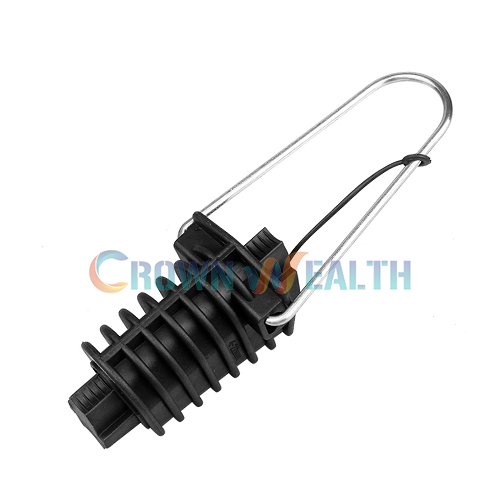
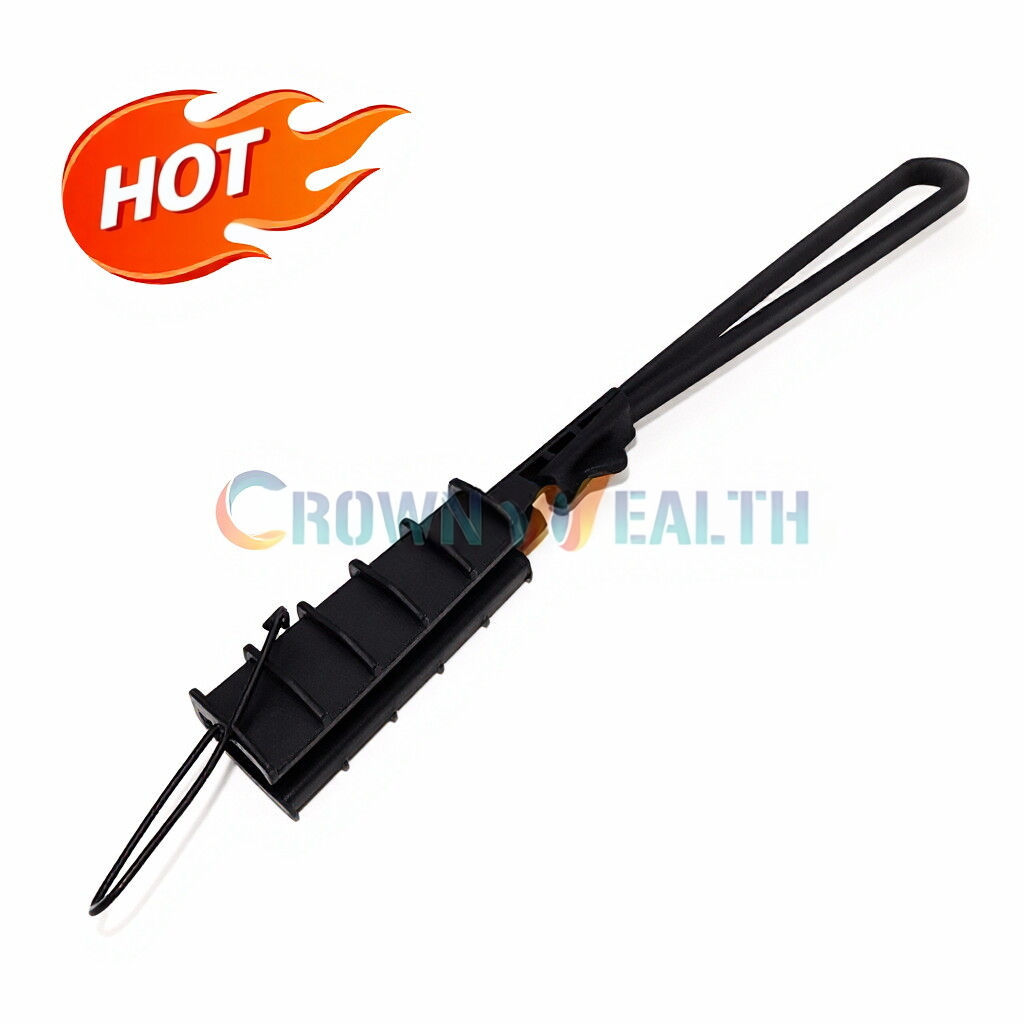
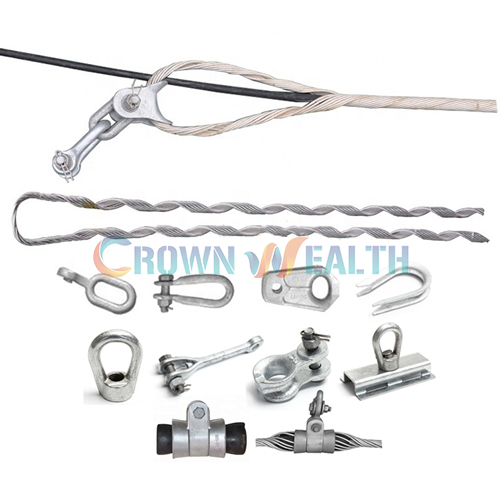
We also understand the importance of providing high - quality components to support cable storage. For instance, our Double Suspension Clamp for OPGW is designed to securely hold the cable in place, reducing the risk of movement and damage. Our Aluminum Joint Box provides a reliable and protected environment for cable connections, which is crucial when storing long lengths of cable.
Calculating the Maximum Cable Length
To calculate the maximum cable length that a cable storage assembly can handle, a comprehensive approach is required. First, determine the available internal volume of the assembly. Then, consider the cable's diameter and the minimum bend radius recommended by the cable manufacturer. Using these values, you can estimate the number of cable turns that can fit within the assembly. Next, calculate the length of cable per turn based on the circumference of the coil. By multiplying the number of turns by the length per turn, you can get an approximate maximum cable length.


However, it's important to note that this is only a theoretical calculation. In practice, other factors such as cable tension, environmental conditions, and future expansion requirements should also be taken into account. It's always advisable to consult with a professional or the cable storage assembly supplier to get a more accurate assessment.
Conclusion
In conclusion, the maximum length of cable that a cable storage assembly can handle is determined by a combination of factors, including cable type, assembly design, cable tension, and environmental conditions. As a supplier of Cable Storage Assemblies, we are committed to providing our customers with high - quality products and expert advice to help them make the most of their cable storage needs. Whether you're in the telecommunications, power, or any other industry that requires cable storage, we can assist you in finding the right solution.
If you're interested in learning more about our Cable Storage Assemblies or have specific requirements for your project, we encourage you to reach out to us for a detailed consultation. Our team of experts is ready to work with you to ensure that you get the most suitable cable storage solution for your needs.
References
- Telecommunications Industry Association (TIA) Standards
- Institute of Electrical and Electronics Engineers (IEEE) Standards
- Manufacturer's specifications for various cable types