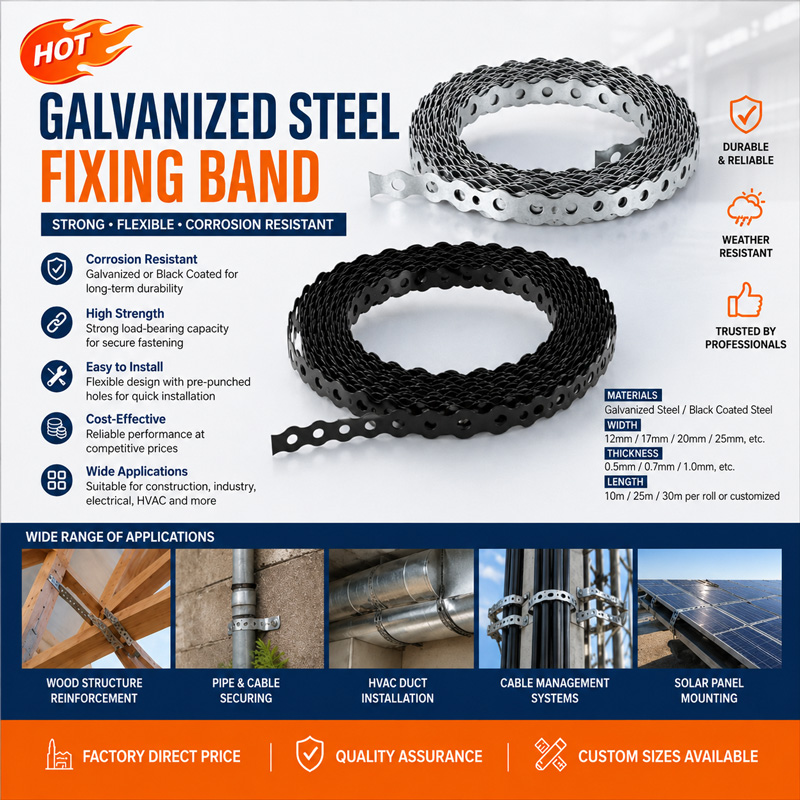
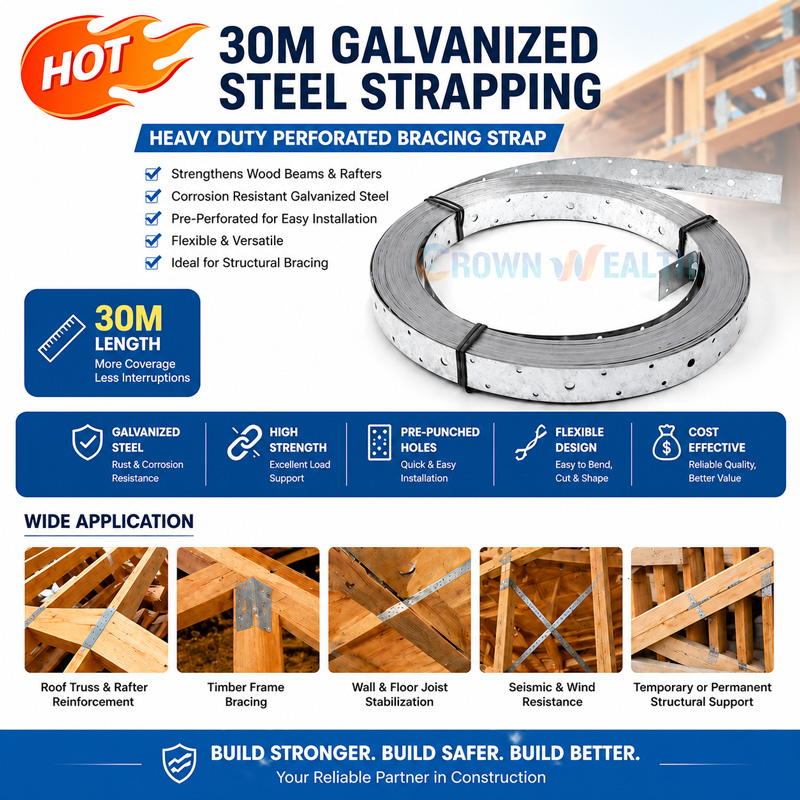
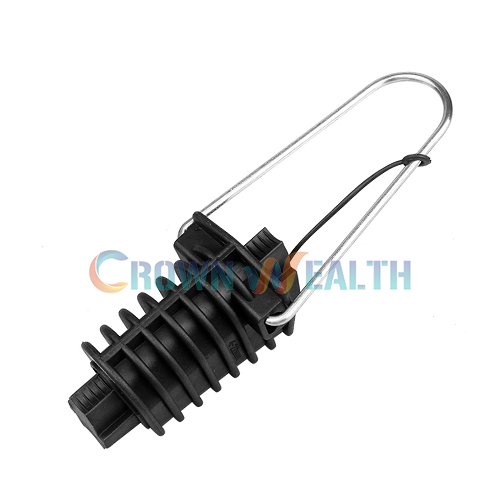
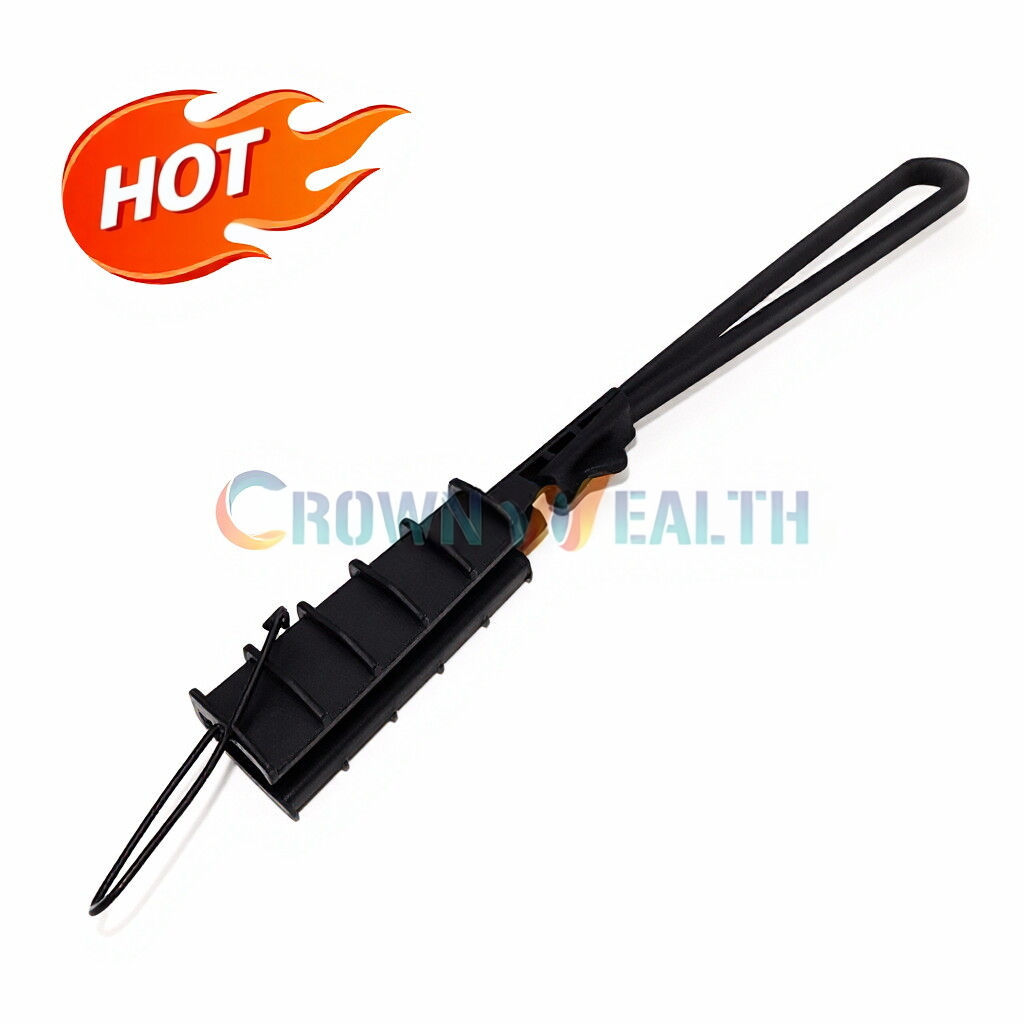
As a trusted supplier of fastening fixtures, I understand the critical role that proper alignment plays in ensuring the optimal performance and longevity of these essential components. Misalignment can lead to a host of issues, including premature wear, reduced efficiency, and even safety hazards. In this blog post, I will share some valuable insights and practical tips on how to ensure the proper alignment of a fastening fixture.
Understanding the Importance of Alignment
Before delving into the alignment process, it's crucial to understand why alignment is so important. Fastening fixtures are designed to hold components in place securely and precisely. When these fixtures are misaligned, the forces acting on the components can become unevenly distributed, leading to increased stress and wear. This can result in a variety of problems, such as:
- Reduced Performance: Misaligned fastening fixtures can cause components to operate less efficiently, leading to decreased productivity and increased energy consumption.
- Premature Wear: Uneven stress distribution can cause components to wear out more quickly, reducing their lifespan and increasing the need for frequent replacements.
- Safety Hazards: In some cases, misaligned fastening fixtures can pose a safety risk. For example, if a fixture is not properly aligned, it may not hold a component securely, increasing the risk of it coming loose and causing an accident.
Factors Affecting Alignment
Several factors can affect the alignment of a fastening fixture. Understanding these factors is essential for ensuring proper alignment. Some of the key factors include:
- Installation: Improper installation is one of the most common causes of misalignment. If a fixture is not installed correctly, it may not be aligned properly from the start.
- Environmental Conditions: Environmental factors such as temperature, humidity, and vibration can also affect the alignment of a fastening fixture. For example, extreme temperatures can cause materials to expand or contract, leading to misalignment.
- Wear and Tear: Over time, fastening fixtures can experience wear and tear, which can cause them to become misaligned. This is especially true in high-stress applications where the fixtures are subjected to frequent use.
- Component Design: The design of the components being fastened can also affect the alignment of the fixture. For example, if a component has an irregular shape or is not machined to precise tolerances, it may be more difficult to align the fixture properly.
Steps to Ensure Proper Alignment
Now that we understand the importance of alignment and the factors that can affect it, let's take a look at the steps you can take to ensure the proper alignment of a fastening fixture.


- Inspect the Fixture and Components: Before installing a fastening fixture, it's important to inspect both the fixture and the components being fastened. Look for any signs of damage, wear, or irregularities that could affect the alignment. If any issues are found, they should be addressed before proceeding with the installation.
- Prepare the Installation Surface: The installation surface should be clean, flat, and free of any debris or contaminants. Use a suitable cleaning agent to remove any dirt, oil, or grease from the surface. If necessary, use a leveling tool to ensure that the surface is perfectly flat.
- Use the Right Tools: Using the right tools is essential for ensuring proper alignment. Make sure you have the appropriate wrenches, screwdrivers, and other tools for the job. Using the wrong tools can damage the fixture or components and make it more difficult to achieve proper alignment.
- Follow the Manufacturer's Instructions: Always follow the manufacturer's instructions when installing a fastening fixture. The instructions will provide specific guidelines on how to install the fixture correctly, including the proper torque settings and alignment procedures.
- Check the Alignment During Installation: As you install the fastening fixture, periodically check the alignment to ensure that it is correct. Use a suitable alignment tool, such as a dial indicator or a laser alignment system, to measure the alignment. If any adjustments are needed, make them before tightening the fixture completely.
- Perform Regular Maintenance: Once the fastening fixture is installed, it's important to perform regular maintenance to ensure that it remains properly aligned. This may include checking the alignment periodically, tightening any loose bolts or screws, and replacing any worn or damaged components.
Specific Alignment Techniques for Different Types of Fastening Fixtures
Different types of fastening fixtures may require different alignment techniques. Here are some specific alignment techniques for common types of fastening fixtures:
- Bolts and Screws: When installing bolts and screws, it's important to ensure that they are tightened to the correct torque. Over-tightening can cause the fixture to become misaligned, while under-tightening can result in a loose connection. Use a torque wrench to ensure that the bolts and screws are tightened to the manufacturer's specifications.
- Clamps: Clamps are used to hold components together securely. When installing a clamp, make sure that it is centered on the component and that the jaws are evenly tightened. Use a torque wrench to ensure that the clamp is tightened to the correct torque.
- Hinges: Hinges are used to allow components to pivot or rotate. When installing a hinge, make sure that it is aligned properly and that the pins are inserted correctly. Use a suitable alignment tool to ensure that the hinge is aligned parallel to the component.
Real-World Examples of Alignment Issues and Solutions
To illustrate the importance of proper alignment and the potential consequences of misalignment, let's take a look at some real-world examples of alignment issues and solutions.
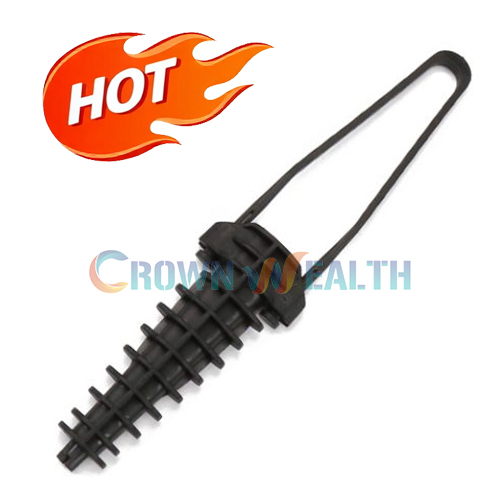
- Example 1: Misaligned Dead-end for Medium and Long Span ADSS A telecommunications company was experiencing problems with their Dead-end for Medium and Long Span ADSS fixtures. The fixtures were not properly aligned, causing the ADSS cables to experience excessive stress and wear. As a result, the cables were failing prematurely, leading to costly repairs and downtime. To solve the problem, the company hired a professional alignment service to inspect and realign the fixtures. After the alignment was corrected, the cables began to perform normally, and the frequency of failures decreased significantly.
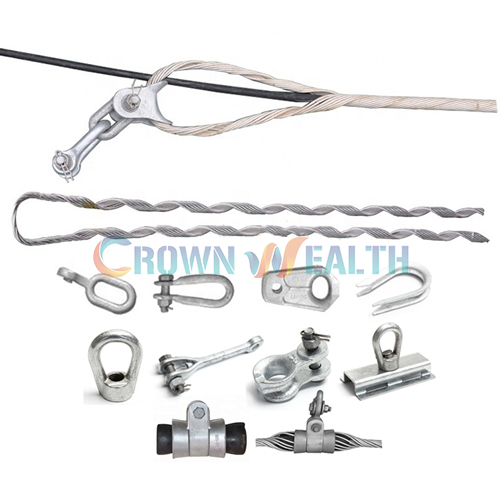
- Example 2: Misaligned Preformed Double Suspension Clamp A power utility company was having issues with their Preformed Double Suspension Clamp fixtures. The clamps were not properly aligned, causing the power lines to sag and sway in the wind. This was not only a safety hazard but also affecting the efficiency of the power transmission. To address the problem, the company used a laser alignment system to measure and adjust the alignment of the clamps. After the alignment was corrected, the power lines were stable, and the efficiency of the power transmission improved.
- Example 3: Misaligned ADSS Cable Guy Grips Sets A construction company was installing ADSS Cable Guy Grips Sets for a new fiber optic network. The grips were not properly aligned, causing the cables to be installed at an angle. This made it difficult to connect the cables to the network equipment and increased the risk of damage to the cables. To fix the problem, the company used a dial indicator to measure the alignment of the grips and made the necessary adjustments. After the alignment was corrected, the cables were installed correctly, and the network was able to operate smoothly.
Conclusion
Proper alignment of a fastening fixture is essential for ensuring the optimal performance and longevity of the components it holds. By understanding the importance of alignment, the factors that can affect it, and the steps you can take to ensure proper alignment, you can avoid many common problems associated with misalignment. Remember to always follow the manufacturer's instructions, use the right tools, and perform regular maintenance to keep your fastening fixtures in good working condition.
If you are in the market for high-quality fastening fixtures or need assistance with alignment and installation, please feel free to contact us. We are a leading supplier of fastening fixtures and have the expertise and experience to help you find the right solutions for your needs. Contact us today to discuss your requirements and start a procurement negotiation.
References
- Machinery's Handbook, 31st Edition
- ASME B18.2.1 - Square and Hex Bolts and Screws
- ISO 9001:2015 - Quality Management Systems