Can Armor Rods be cut to size?
Hey there! I'm a supplier of armor rods, and I often get asked this question: Can armor rods be cut to size? Well, let's dive right into it.
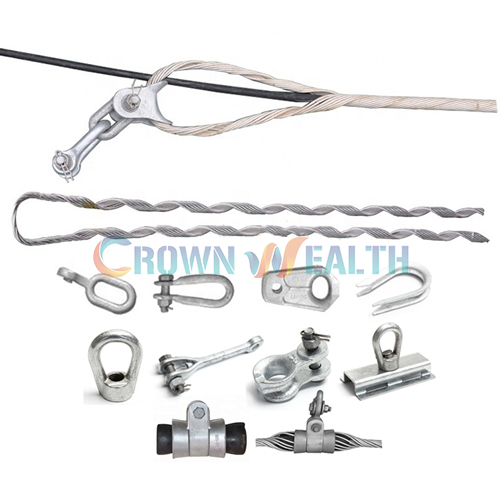
First off, what are armor rods? Armor rods are pre - formed helical rods that are used to protect cables and conductors. They're a crucial part of overhead line accessories. You might have seen them on power lines; they wrap around the cables to prevent damage from things like vibrations, abrasions, and bending stresses.
Now, back to the main question. The short answer is yes, armor rods can be cut to size. But there are a few things you need to keep in mind.
Why would you want to cut armor rods to size?
There are several reasons why you might need to cut armor rods. Sometimes, the standard lengths available in the market don't fit your specific project requirements. Maybe you're working on a small - scale power line installation, and the pre - made lengths are too long. Cutting them to size allows you to use just the right amount of material, which can save you money and reduce waste.
Another reason could be for custom installations. Different projects have different cable sizes and configurations. By cutting the armor rods, you can customize them to fit your unique needs. For example, if you're dealing with a non - standard cable diameter, you can adjust the length of the armor rods to ensure a proper fit.
How to cut armor rods
Cutting armor rods isn't overly complicated, but it does require the right tools and a bit of know - how. You'll need a good pair of cable cutters or a hacksaw. Make sure the tools are sharp to get a clean cut.
Before you start cutting, measure the length you need accurately. It's a good idea to mark the armor rod with a marker or a piece of tape so you know exactly where to make the cut. When you're cutting, apply steady pressure. If you're using cable cutters, position them at the marked point and squeeze firmly until the rod is severed. With a hacksaw, use long, smooth strokes to cut through the rod.
Things to watch out for
When cutting armor rods, there are a few potential issues you need to be aware of. One is the risk of fraying. If the cut isn't clean, the ends of the armor rod can fray, which can make it difficult to install and may also reduce its effectiveness. To avoid this, make sure your cutting tools are sharp.
Another thing to consider is the integrity of the armor rod. Cutting the rod can potentially weaken it if not done correctly. You don't want to compromise the strength and protective properties of the rod. So, after cutting, inspect the cut end carefully. If there are any signs of damage or weakness, you might need to trim it a bit more to get a clean, strong end.
Compatibility with other accessories
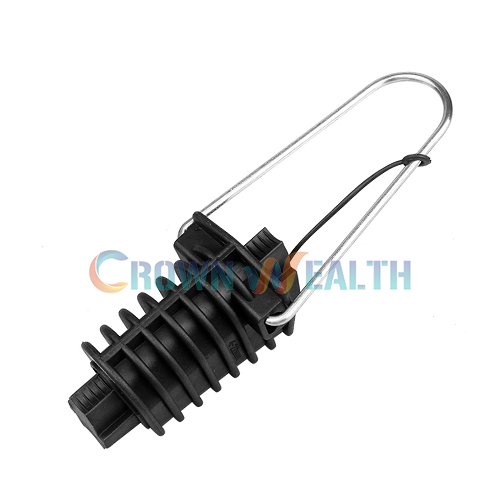
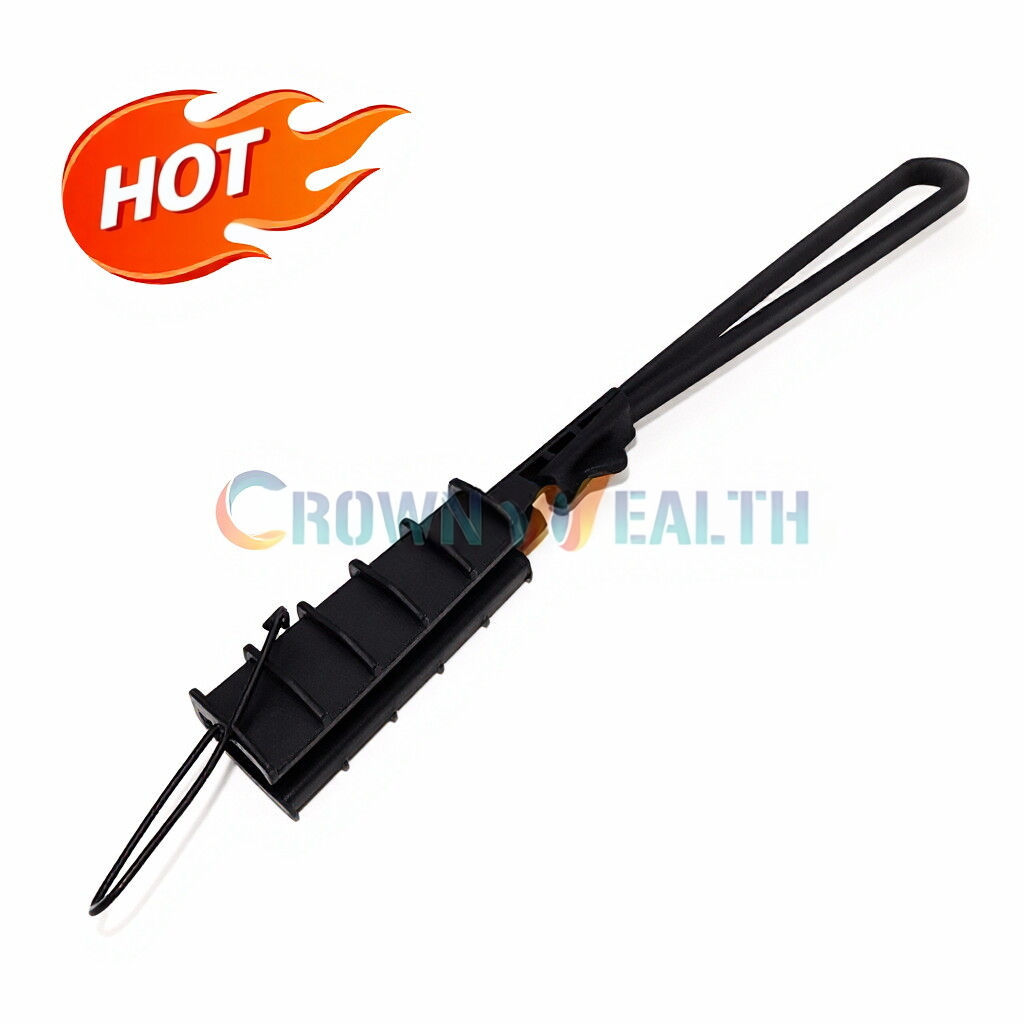
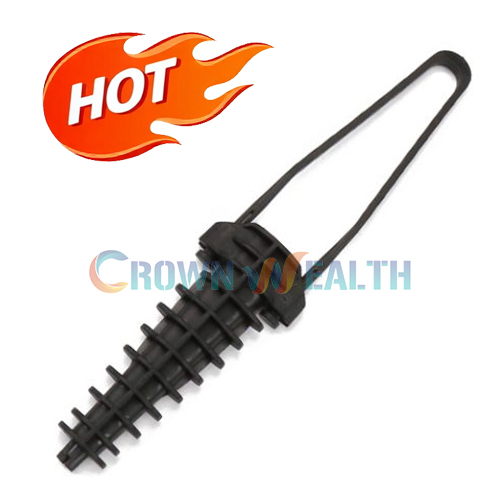
Armor rods are often used in conjunction with other overhead line accessories. For example, you might pair them with Overhead Line Accessories Preformed Dead End Clamp Guy Grip for Cable. When cutting armor rods to size, you need to make sure they'll still work well with these other components.
The length of the armor rod can affect how it interacts with dead - end clamps and guy grips. If the armor rod is too short, it might not provide enough support for the cable when used with these accessories. On the other hand, if it's too long, it could interfere with the installation of the clamps or grips. So, always consider the overall system when cutting the armor rods.
Quality control
As a supplier, I know how important quality control is. When you cut armor rods, you need to maintain the same level of quality as the original, un - cut rods. This means ensuring that the cut ends are smooth and free of defects. You should also check that the helical shape of the rod remains intact after cutting.
If you're cutting a large number of armor rods, it's a good idea to do some quality checks on a sample basis. For example, you can test the cut rods for strength and flexibility to make sure they meet the required standards.
Different types of armor rods
There are different types of armor rods available, and the cutting process might vary slightly depending on the type. Some armor rods are made of aluminum alloy, while others are made of steel. Aluminum alloy armor rods are generally easier to cut because they're softer than steel rods.
Steel armor rods, on the other hand, are more durable and can withstand higher stresses. But they require more force to cut. You might need a more heavy - duty cutting tool, like a power saw, when dealing with steel armor rods.
The role of pre - formed guy grips
Pre - formed guy grips, such as Preformed Guy Grips and Preformed End Guy Grips, are often used in conjunction with armor rods. These guy grips help to secure the cables and provide additional support.
When cutting armor rods to size, you need to think about how they'll work with the pre - formed guy grips. The length of the armor rod can affect the installation and performance of the guy grips. For example, if the armor rod is too short, it might not allow the guy grip to be installed properly, which could lead to a weak connection.
Cost - effectiveness
Cutting armor rods to size can be cost - effective in the long run. As I mentioned earlier, it allows you to use only the amount of material you need. This reduces waste and can save you money on purchasing unnecessary lengths of armor rods.
However, you also need to factor in the cost of the cutting tools and the time it takes to cut the rods. If you're only cutting a few rods, the cost of the tools might not be a big deal. But if you're cutting a large number of rods on a regular basis, it might be worth considering having a professional do the cutting for you.
Customization for different cable sizes
One of the great things about cutting armor rods to size is the ability to customize them for different cable sizes. Different cables require different levels of protection. For smaller cables, you might need shorter armor rods, while larger cables may need longer ones.
By cutting the armor rods, you can ensure that you're providing the right amount of protection for your cables. This is especially important in areas with high wind or other environmental stresses, where proper cable protection is crucial.


Final thoughts
In conclusion, yes, armor rods can be cut to size. It offers a lot of benefits, such as cost - savings, customization, and waste reduction. But it's important to do it correctly to maintain the quality and effectiveness of the rods.
If you're in the market for armor rods or have any questions about cutting them to size, I'm here to help. As a supplier, I have a wide range of armor rods in different materials and sizes. Whether you need a small quantity for a DIY project or a large order for a commercial installation, I can provide you with the right products. So, don't hesitate to reach out if you're interested in purchasing armor rods or want to discuss your specific needs. Let's work together to find the best solution for your overhead line projects.
References
- Industry standards for overhead line accessories
- Manufacturer's guidelines for armor rods