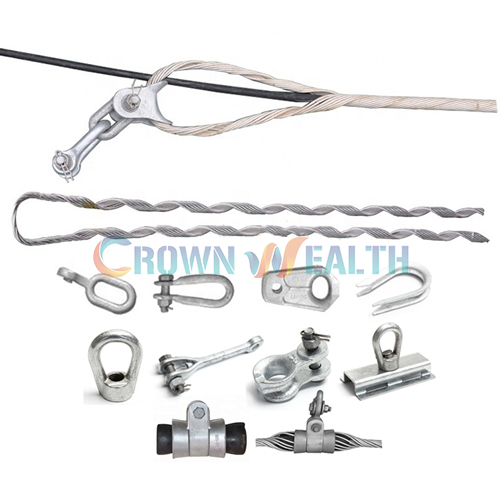
Hey there! I'm a supplier of Double Yoke Plates, and today I'm gonna take you through the whole manufacturing process of these nifty pieces. Double Yoke Plates are essential components in many industries, especially in construction and machinery. They play a crucial role in connecting different parts and ensuring the smooth operation of equipment.
1. Design and Planning
The first step in manufacturing Double Yoke Plates is the design phase. We work closely with our clients to understand their specific requirements. Every project has its own set of needs, whether it's about the size, shape, or load - bearing capacity of the Double Yoke Plates.
We use advanced 3D modeling software to create detailed designs. This allows us to visualize the final product and make any necessary adjustments before we start production. During this stage, we also consider factors like material selection. The choice of material can greatly affect the performance and durability of the Double Yoke Plates. For most of our products, we use high - quality steel because it offers excellent strength and corrosion resistance.
2. Material Procurement
Once the design is finalized, it's time to source the materials. We have a reliable network of suppliers who provide us with top - notch steel. We carefully inspect each batch of materials to ensure they meet our strict quality standards.
The quality of the raw material is the foundation of a great Double Yoke Plate. We look for steel that has the right chemical composition and mechanical properties. This helps us produce plates that can withstand heavy loads and harsh environments.
3. Cutting the Steel
After getting the raw materials, the next step is cutting. We use state - of - the - art cutting machines, such as laser cutters and plasma cutters. These machines offer high precision and can cut the steel into the exact shape and size specified in the design.
Laser cutting is particularly useful for creating intricate designs and sharp edges. It uses a high - powered laser beam to melt and vaporize the steel, leaving a clean and smooth cut. Plasma cutting, on the other hand, is great for thicker steel plates. It uses a jet of hot plasma to cut through the metal.
4. Machining
Once the steel is cut, we move on to the machining process. This involves operations like drilling, milling, and turning. Drilling is used to create holes in the Double Yoke Plates, which are essential for connecting them to other components.
We use CNC (Computer Numerical Control) machines for machining. These machines are highly accurate and can repeat the same operation with great precision. This ensures that all our Double Yoke Plates are consistent in quality and dimensions.
For example, when we drill holes, the CNC machine can control the depth, diameter, and position of the holes with high accuracy. This is crucial because even a small error in the hole's position can affect the functionality of the Double Yoke Plate.
5. Heat Treatment
Heat treatment is an important step in the manufacturing process. It helps to improve the mechanical properties of the Double Yoke Plates, such as hardness, strength, and toughness.
There are different types of heat treatment processes, such as quenching and tempering. Quenching involves heating the steel to a high temperature and then rapidly cooling it. This makes the steel harder. Tempering, on the other hand, is done after quenching to reduce the brittleness of the steel and improve its toughness.
We carefully control the temperature and time during the heat treatment process to achieve the desired properties. This ensures that our Double Yoke Plates can perform well under different working conditions.
6. Surface Treatment
After heat treatment, we focus on the surface treatment of the Double Yoke Plates. One of the most common surface treatments we use is hot - dip galvanizing (HDG). HDG provides excellent corrosion protection for the steel.
The process involves dipping the Double Yoke Plates into a bath of molten zinc. The zinc forms a protective layer on the surface of the steel, preventing it from rusting. This is especially important for Double Yoke Plates that are used outdoors or in corrosive environments.
If you're interested in other related products, you can check out our HDG U Bolt. It's also a high - quality product that goes well with Double Yoke Plates in many applications.
7. Quality Inspection
Before the Double Yoke Plates are ready to be shipped, we conduct a thorough quality inspection. We use a variety of inspection methods, including visual inspection, dimensional measurement, and non - destructive testing.
Visual inspection helps us check for any surface defects, such as cracks or scratches. Dimensional measurement ensures that the Double Yoke Plates meet the specified size and shape requirements. Non - destructive testing, like ultrasonic testing, is used to detect internal defects in the steel.
We have a team of experienced quality control engineers who are responsible for this inspection. They make sure that only the best - quality Double Yoke Plates leave our factory.
8. Assembly and Packaging
Once the Double Yoke Plates pass the quality inspection, we move on to assembly and packaging. If the Double Yoke Plates are part of a larger set, we assemble them according to the client's requirements.
We use high - quality packaging materials to protect the Double Yoke Plates during transportation. This helps to prevent any damage that could occur during handling and shipping.


Related Products
In addition to Double Yoke Plates, we also offer other related products like YLP Type Extension Rod and UB - Type Clevis. These products can be used in combination with Double Yoke Plates to create more complex and functional systems.
Contact Us for Procurement
If you're in the market for high - quality Double Yoke Plates or any of our other products, don't hesitate to reach out. We're always ready to discuss your specific needs and provide you with the best solutions. Whether you're working on a small - scale project or a large - scale industrial application, we have the expertise and resources to meet your requirements.
References
- "Steel Manufacturing Handbook"
- "Machining Technology: An Introduction"
- "Surface Treatment and Coating Technology for Metals"