As a supplier of OPGW Strain Clamps, I've often been asked whether our products can be used in coastal areas. This question is not only crucial for our customers in the coastal regions but also for the overall performance and longevity of the optical power ground wire (OPGW) systems in these unique environments. In this blog, I'll delve into the technical aspects, environmental challenges, and solutions regarding the use of OPGW Strain Clamps in coastal areas.
Understanding OPGW Strain Clamps
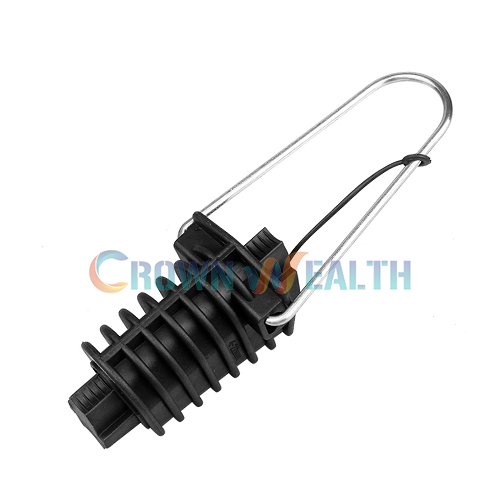
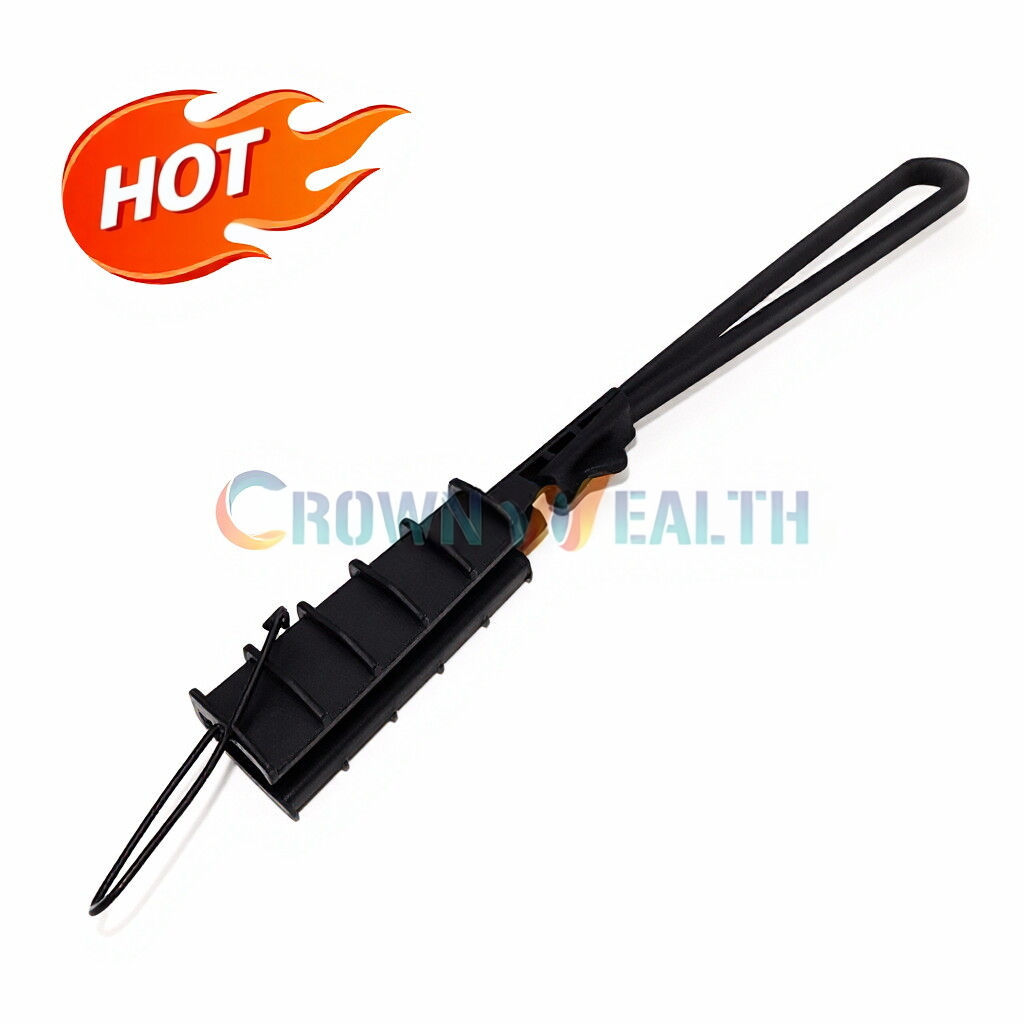
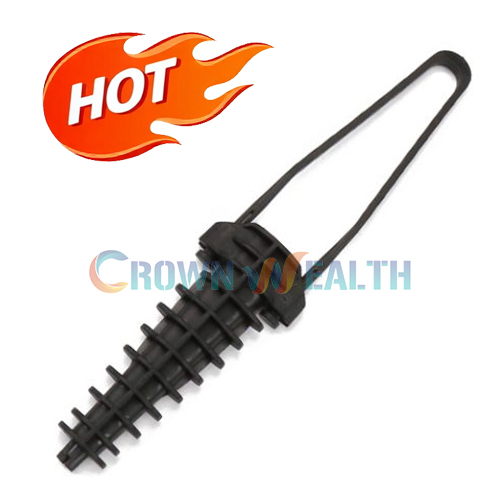
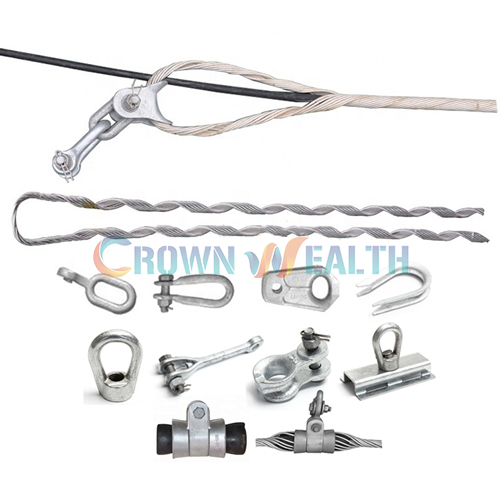
OPGW Strain Clamps are essential components in OPGW systems. They are designed to secure the OPGW cable to the tower or pole, providing mechanical support and ensuring the cable's stability under various loads, such as wind, ice, and its own weight. The OPGW Preformed Tension Clamp is a popular type of OPGW Strain Clamp known for its excellent grip and ease of installation.
Challenges in Coastal Areas
Coastal areas present a set of challenges that are distinct from inland environments. The most significant challenges include high humidity, saltwater corrosion, and strong winds.
High Humidity
High humidity is a constant in coastal areas. Moisture in the air can lead to the formation of condensation on the surface of the OPGW Strain Clamps. Over time, this can cause rust and corrosion, especially if the clamps are not properly protected. Corrosion can weaken the structural integrity of the clamps, reducing their ability to hold the OPGW cable securely.
Saltwater Corrosion
Saltwater is highly corrosive. In coastal areas, salt particles are carried by the wind and deposited on the surface of the OPGW Strain Clamps. The salt acts as an electrolyte, accelerating the corrosion process. Saltwater corrosion can cause pitting, cracking, and even the complete failure of the clamps if not addressed.
Strong Winds
Coastal areas are often prone to strong winds, including hurricanes and typhoons. These high - speed winds exert significant forces on the OPGW cable and the strain clamps. The clamps need to be able to withstand these forces without slipping or breaking to ensure the continuous operation of the OPGW system.
Solutions for Coastal Use
To address the challenges posed by coastal environments, our OPGW Strain Clamps are designed with several features.
Material Selection
We use high - quality materials that are resistant to corrosion. Stainless steel is a popular choice for our OPGW Strain Clamps. Stainless steel has a high chromium content, which forms a protective oxide layer on the surface. This layer prevents oxygen and moisture from reaching the underlying metal, reducing the risk of corrosion. Additionally, we also use special coatings on the clamps to provide an extra layer of protection against saltwater and humidity.
Design Optimization
Our clamps are designed to distribute the load evenly along the OPGW cable. This reduces the stress concentration on any single point, making the clamps more resistant to the forces exerted by strong winds. The design also takes into account the ease of installation and maintenance, which is crucial in coastal areas where access to the OPGW system may be difficult.
Quality Assurance
We have a rigorous quality control process in place. Each OPGW Strain Clamp undergoes a series of tests, including corrosion resistance tests, load - bearing tests, and wind - resistance tests. Only clamps that meet our strict quality standards are released for sale.
Complementary Products
In addition to OPGW Strain Clamps, we also offer other products that are suitable for use in coastal areas. The Aluminum Joint Box is designed to protect the splices of the OPGW cable. It is made of aluminum, which is lightweight and resistant to corrosion. The Double Suspension Clamp for OPGW provides additional support for the OPGW cable, especially in areas with high wind loads.


Case Studies
We have several case studies of our OPGW Strain Clamps being used in coastal areas. In one project, our clamps were installed in a coastal power grid system. After several years of operation, the clamps showed minimal signs of corrosion and were still holding the OPGW cable securely. This demonstrates the effectiveness of our products in coastal environments.
Maintenance in Coastal Areas
Regular maintenance is essential for the long - term performance of OPGW Strain Clamps in coastal areas. Maintenance activities include visual inspections, cleaning, and the application of anti - corrosion coatings. Visual inspections can help detect early signs of corrosion or damage. Cleaning the clamps regularly can remove salt deposits and other contaminants. Applying anti - corrosion coatings at regular intervals can extend the lifespan of the clamps.
Conclusion
In conclusion, our OPGW Strain Clamps can be used in coastal areas. With the right material selection, design optimization, and quality assurance, our clamps can withstand the challenges of high humidity, saltwater corrosion, and strong winds. We also offer complementary products and provide guidance on maintenance to ensure the long - term performance of the OPGW system in coastal environments.
If you are in the process of setting up an OPGW system in a coastal area or need to replace your existing strain clamps, we invite you to contact us for a detailed discussion. Our team of experts can provide you with the best solutions tailored to your specific needs.
References
- "Corrosion Prevention in Coastal Infrastructure" - Journal of Coastal Engineering
- "Design and Testing of OPGW Fittings" - International Journal of Power and Energy Systems