Hey there! I'm a supplier of OPGW fittings, and I know how crucial it is for these fittings to have good corrosion resistance. Corrosion can mess up the performance and lifespan of OPGW fittings big time. So, in this blog, I'm gonna share some tips on how to improve the corrosion resistance of OPGW fittings.


Understanding the Enemy: Corrosion
First off, let's talk about what corrosion is and why it's a problem for OPGW fittings. Corrosion is basically a chemical reaction that happens when metals come into contact with things like moisture, oxygen, and certain chemicals in the environment. For OPGW fittings, which are often installed outdoors, they're exposed to all sorts of harsh conditions, like rain, humidity, and even industrial pollutants.
When corrosion occurs, it can cause the fittings to weaken, lose their structural integrity, and eventually fail. This can lead to all kinds of issues, like power outages, communication disruptions, and increased maintenance costs. So, it's super important to take steps to prevent corrosion from happening in the first place.
Material Selection
One of the most important factors in improving the corrosion resistance of OPGW fittings is choosing the right materials. Different materials have different levels of resistance to corrosion, so it's crucial to pick ones that can stand up to the specific environmental conditions where the fittings will be installed.
- Stainless Steel: Stainless steel is a popular choice for OPGW fittings because it has excellent corrosion resistance. It contains chromium, which forms a thin, protective layer on the surface of the metal that helps prevent corrosion. There are different grades of stainless steel, so make sure to choose one that's suitable for the specific application.
- Aluminum Alloys: Aluminum alloys are also commonly used in OPGW fittings. They're lightweight, strong, and have good corrosion resistance. However, they can be more susceptible to corrosion in certain environments, like those with high levels of salt or acid. To improve their corrosion resistance, aluminum alloys can be treated with coatings or anodized.
- Composite Materials: Composite materials, such as fiberglass-reinforced plastics, are another option for OPGW fittings. They're lightweight, non-conductive, and have excellent corrosion resistance. They're also resistant to UV radiation, which makes them a good choice for outdoor applications.
Surface Treatment
In addition to choosing the right materials, surface treatment is another important way to improve the corrosion resistance of OPGW fittings. Surface treatments can create a barrier between the metal and the environment, preventing corrosion from occurring.
- Galvanizing: Galvanizing is a common surface treatment for OPGW fittings. It involves coating the metal with a layer of zinc, which acts as a sacrificial anode. This means that the zinc will corrode first, protecting the underlying metal from corrosion. Galvanizing can be done through hot-dip galvanizing or electro-galvanizing.
- Painting: Painting is another way to protect OPGW fittings from corrosion. A high-quality paint can create a barrier between the metal and the environment, preventing moisture and oxygen from reaching the surface of the metal. Make sure to choose a paint that's suitable for the specific application and environmental conditions.
- Anodizing: Anodizing is a surface treatment that's commonly used for aluminum alloys. It involves creating a thin, protective oxide layer on the surface of the metal through an electrochemical process. Anodizing can improve the corrosion resistance of aluminum alloys and also enhance their appearance.
Design Considerations
The design of OPGW fittings can also have a big impact on their corrosion resistance. Here are some design considerations to keep in mind:
- Avoiding Crevices and Gaps: Crevices and gaps in OPGW fittings can trap moisture and other corrosive substances, leading to corrosion. Make sure to design the fittings in a way that minimizes the number of crevices and gaps. For example, use smooth, rounded surfaces and avoid sharp edges.
- Proper Drainage: Proper drainage is essential for preventing water from accumulating on OPGW fittings. Make sure to design the fittings with drainage holes or channels to allow water to drain away.
- Ventilation: Good ventilation can help prevent the buildup of moisture and humidity inside OPGW fittings. Make sure to design the fittings with ventilation holes or slots to allow air to circulate.
Installation and Maintenance
Finally, proper installation and maintenance are crucial for ensuring the long-term corrosion resistance of OPGW fittings. Here are some tips:
- Follow the Manufacturer's Instructions: Make sure to follow the manufacturer's instructions when installing OPGW fittings. This includes using the correct tools, torque values, and installation procedures.
- Inspect Regularly: Regular inspections can help detect corrosion early on and prevent it from spreading. Make sure to inspect the fittings for signs of corrosion, such as rust, discoloration, or pitting.
- Clean and Maintain: Keeping OPGW fittings clean and well-maintained can help prevent corrosion. Make sure to clean the fittings regularly with a mild detergent and water, and avoid using abrasive cleaners or tools that could damage the surface of the metal.
Some Recommended OPGW Fittings
As an OPGW fitting supplier, I'd like to recommend some of our high-quality products that have excellent corrosion resistance.
- Cable Storage Assembly: This product is designed to store and protect OPGW cables. It's made of high-quality materials and has a corrosion-resistant coating, ensuring long-term durability.
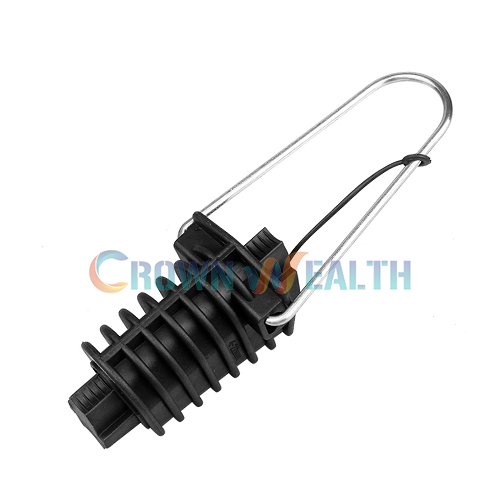
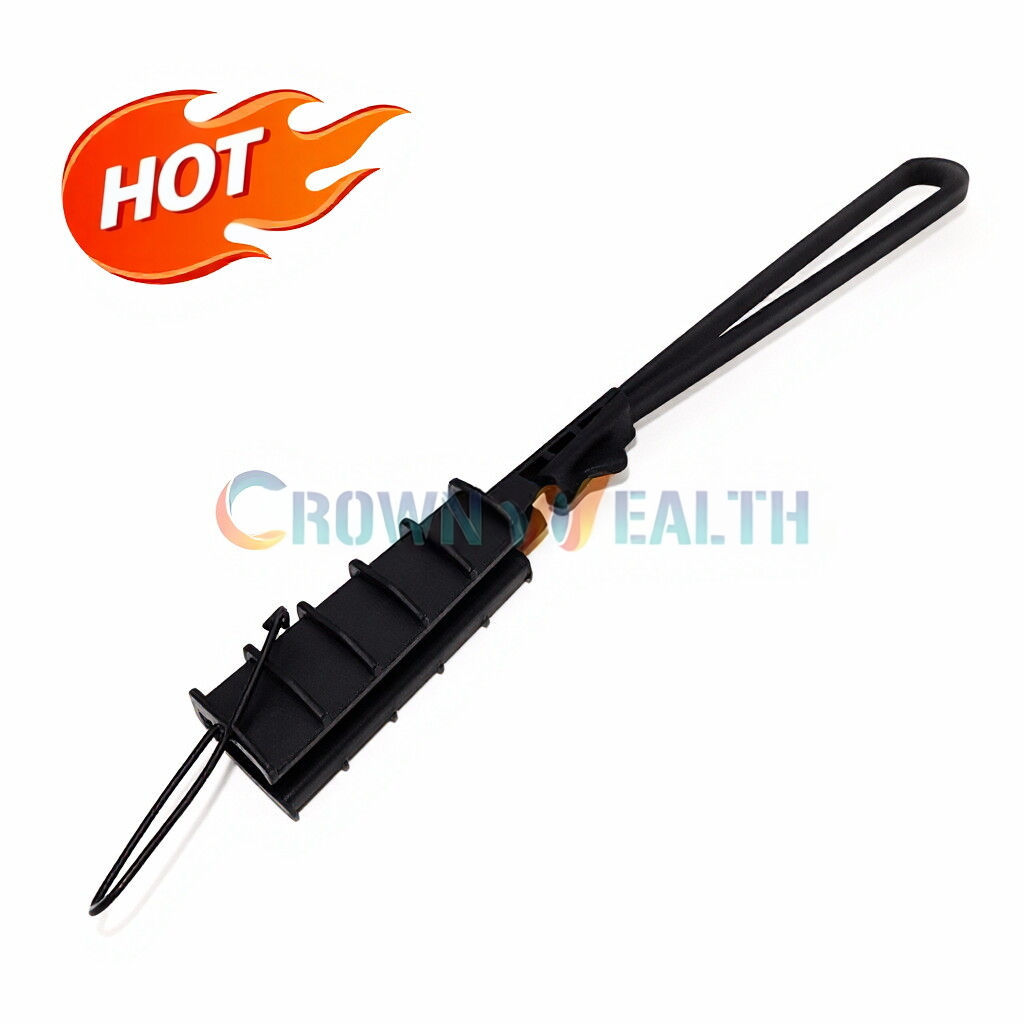
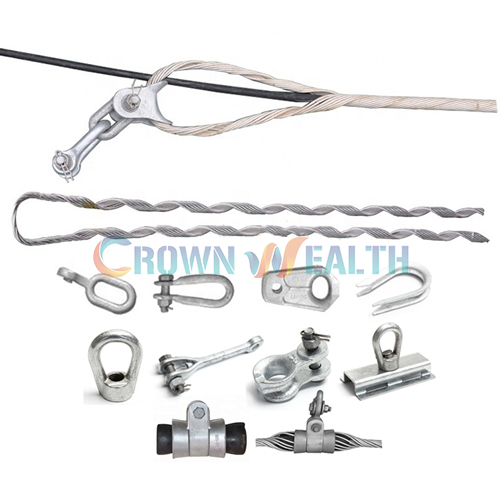
- OPGW Preformed Helical Tension Clamp: This clamp is used to secure OPGW cables to towers or poles. It's made of stainless steel or aluminum alloy, which provides excellent corrosion resistance.
- Aluminum Alloy Optical Cable Splice Box: This splice box is used to protect and splice OPGW cables. It's made of aluminum alloy and has an anodized surface treatment, which improves its corrosion resistance.
Conclusion
Improving the corrosion resistance of OPGW fittings is essential for ensuring their long-term performance and reliability. By choosing the right materials, applying surface treatments, considering design factors, and following proper installation and maintenance procedures, you can significantly reduce the risk of corrosion and extend the lifespan of your OPGW fittings.
If you're interested in purchasing high-quality OPGW fittings with excellent corrosion resistance, feel free to contact me for more information. We offer a wide range of OPGW fittings to meet your specific needs, and our team of experts is always ready to help you find the right solutions.
References
- Jones, D. A. (1996). Principles and prevention of corrosion. Prentice Hall.
- Uhlig, H. H., & Revie, R. W. (1985). Corrosion and corrosion control: an introduction to corrosion science and engineering. Wiley.
- Fontana, M. G. (1986). Corrosion engineering. McGraw-Hill.