As a seasoned link fitting supplier, I've often been asked whether link fittings can be used in harsh environments. This question is not only relevant but also crucial for industries that operate under extreme conditions. In this blog, I'll delve into the capabilities of link fittings in harsh environments, exploring their materials, design features, and real - world applications.
Understanding Harsh Environments
Harsh environments can be classified into several categories. Firstly, there are high - temperature environments, such as those found in steel mills, foundries, and power plants. In these places, temperatures can soar well above 500 degrees Celsius, causing most materials to expand, lose strength, or even melt. Secondly, corrosive environments are a major concern. Chemical plants, offshore oil rigs, and coastal areas expose equipment to strong acids, alkalis, and saltwater, which can corrode metals rapidly. Thirdly, high - pressure environments, like deep - sea exploration and hydraulic systems, subject link fittings to immense forces that can lead to deformation or failure. Finally, there are abrasive environments, such as mining operations and construction sites, where link fittings are constantly rubbed against by rough materials, wearing them down over time.
Materials Used in Link Fittings for Harsh Environments
The choice of material is the first line of defense when it comes to using link fittings in harsh environments.


Stainless Steel
Stainless steel is a popular choice due to its excellent corrosion resistance. It contains chromium, which forms a thin, passive oxide layer on the surface. This layer protects the metal from further oxidation and corrosion, making it suitable for use in marine, chemical, and food - processing industries. For example, in offshore oil platforms, stainless - steel link fittings can withstand the corrosive effects of saltwater for extended periods. However, stainless steel may not be the best option for high - temperature applications as its strength can decrease at elevated temperatures.
Alloy Steel
Alloy steel is another material that is widely used in harsh environments. By adding elements such as nickel, chromium, and molybdenum, alloy steel can achieve high strength, toughness, and heat resistance. In high - pressure hydraulic systems, alloy - steel link fittings can handle the intense forces without deforming. They are also commonly used in automotive and aerospace industries, where reliability under extreme conditions is essential.
Aluminum
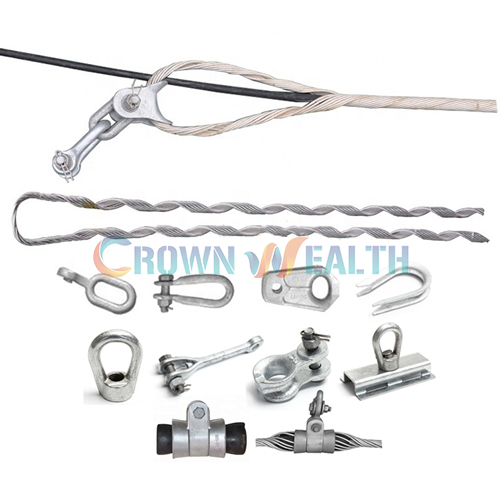
Aluminum is lightweight and has good corrosion resistance, especially when anodized. It is often used in applications where weight is a concern, such as in the aerospace and transportation industries. For instance, Aluminum Parallel Clamp is a type of link fitting made from aluminum that can be used in various harsh environments. Its lightweight nature makes it easy to install and handle, while its corrosion - resistant properties ensure long - term performance.
Galvanized Steel
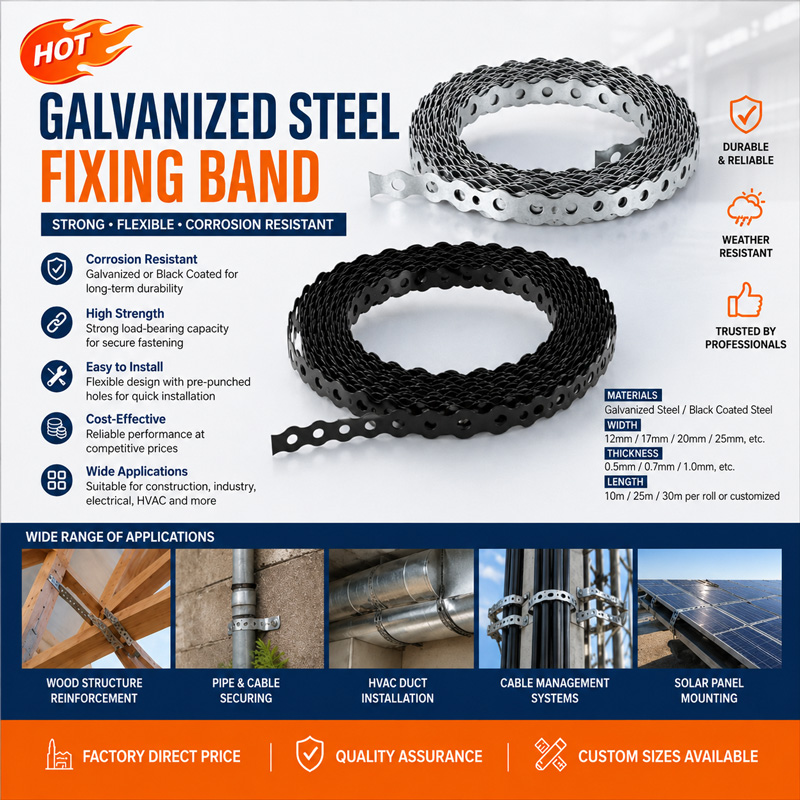
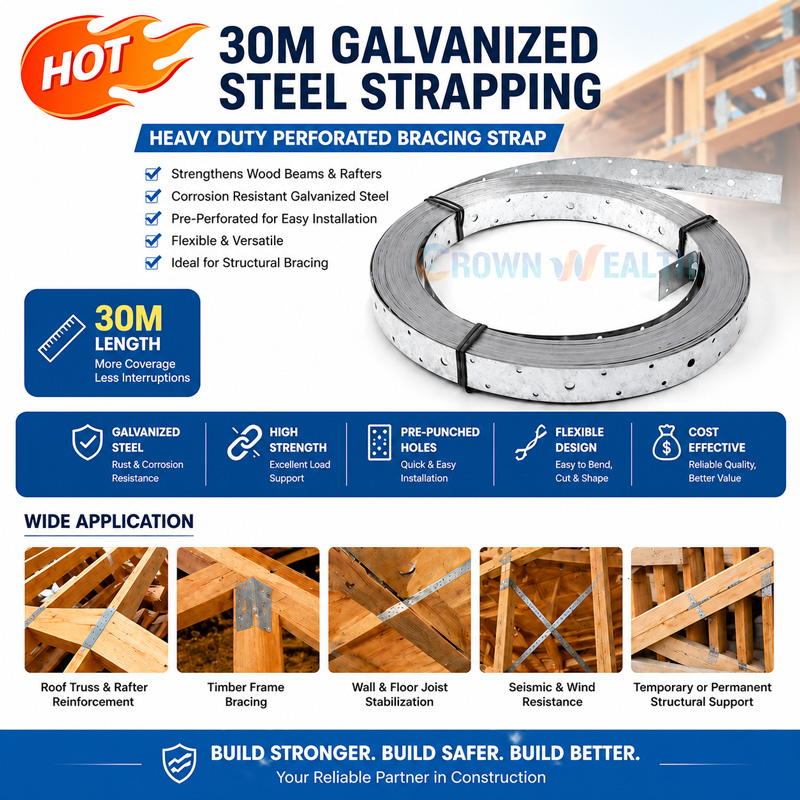
Galvanized steel is steel that has been coated with a layer of zinc. This coating provides a sacrificial barrier against corrosion. In outdoor applications, such as power transmission lines and construction projects, Hot Dip Galvanized U Bolt is a common choice. The hot - dip galvanizing process ensures a thick and uniform zinc coating, which can protect the steel from rust and corrosion for many years.
Design Features for Harsh Environments
In addition to the choice of materials, the design of link fittings also plays a crucial role in their performance in harsh environments.
Reinforced Structures
Link fittings designed for harsh environments often have reinforced structures. For example, some fittings may have thicker walls or additional ribs to increase their strength and resistance to deformation. In high - pressure applications, these reinforced structures can prevent the fitting from bursting or leaking.
Sealed Designs
Sealed designs are essential in corrosive and dusty environments. By preventing the ingress of moisture, chemicals, and dust, sealed link fittings can protect the internal components from damage. For example, in chemical plants, sealed link fittings can prevent the leakage of hazardous chemicals and ensure the safety of the entire system.
Easy - to - Maintain Designs
In harsh environments, maintenance is often challenging. Therefore, link fittings are designed to be easy to maintain. Some fittings have detachable parts that can be easily replaced, reducing downtime and maintenance costs. For example, QP Ball Eyes are designed with a simple structure that allows for easy inspection and replacement of parts.
Real - World Applications
Let's take a look at some real - world applications of link fittings in harsh environments.
Mining Industry
In the mining industry, link fittings are used in various equipment, such as conveyor belts, hoists, and drilling rigs. These fittings are exposed to abrasive materials, high - pressure hydraulic systems, and dusty environments. Alloy - steel link fittings are commonly used due to their high strength and wear resistance. They can withstand the intense forces and abrasive action of rocks and minerals, ensuring the smooth operation of mining equipment.
Oil and Gas Industry
The oil and gas industry operates in some of the harshest environments on earth, including offshore platforms, deserts, and arctic regions. Link fittings in this industry need to be corrosion - resistant, high - strength, and able to withstand extreme temperatures and pressures. Stainless - steel and galvanized - steel link fittings are widely used in pipelines, valves, and drilling equipment. They can prevent leaks and ensure the safety and reliability of the entire oil and gas production process.
Power Generation Industry
In power generation plants, link fittings are used in boilers, turbines, and transmission lines. High - temperature and high - pressure environments are common in these plants. Alloy - steel and heat - resistant stainless - steel link fittings are used to handle the extreme conditions. They can maintain their strength and integrity at high temperatures, ensuring the efficient operation of power generation equipment.
Conclusion
In conclusion, link fittings can indeed be used in harsh environments. By carefully selecting the right materials, incorporating appropriate design features, and considering the specific requirements of each application, link fittings can provide reliable performance in even the most challenging conditions. Whether it's the mining, oil and gas, or power generation industry, link fittings play a vital role in ensuring the safety and efficiency of various systems.
If you are in need of link fittings for harsh environments, I invite you to contact us for a detailed discussion. We have a wide range of link fittings available, and our team of experts can help you select the most suitable products for your specific needs. Let's work together to find the best solutions for your projects.
References
- ASM Handbook Volume 1: Properties and Selection: Irons, Steels, and High - Performance Alloys
- Corrosion Basics: An Introduction by Mars G. Fontana
- Mechanical Design of Machine Elements and Machines: A Failure - Prevention Perspective by Juvinall and Marshek