When it comes to the installation of OPGW (Optical Ground Wire) systems, handling the weight of OPGW fittings is a critical aspect that demands careful consideration. As a reputable OPGW fitting supplier, I understand the challenges and intricacies involved in this process. In this blog post, I will share some valuable insights and practical tips on how to effectively handle the weight of OPGW fittings during installation.
Understanding the Weight of OPGW Fittings
OPGW fittings come in various types and sizes, each with its own weight characteristics. The weight of these fittings can significantly impact the installation process, especially when dealing with large - scale projects. For example, Aluminum Alloy Joint Box is designed to protect the fiber - optic splices within the OPGW cable. These boxes can vary in size and material thickness, which directly affects their weight. A larger joint box with more advanced protection features will naturally be heavier than a smaller, more basic one.
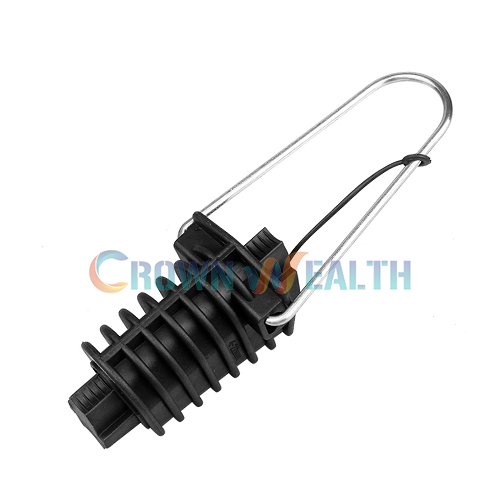
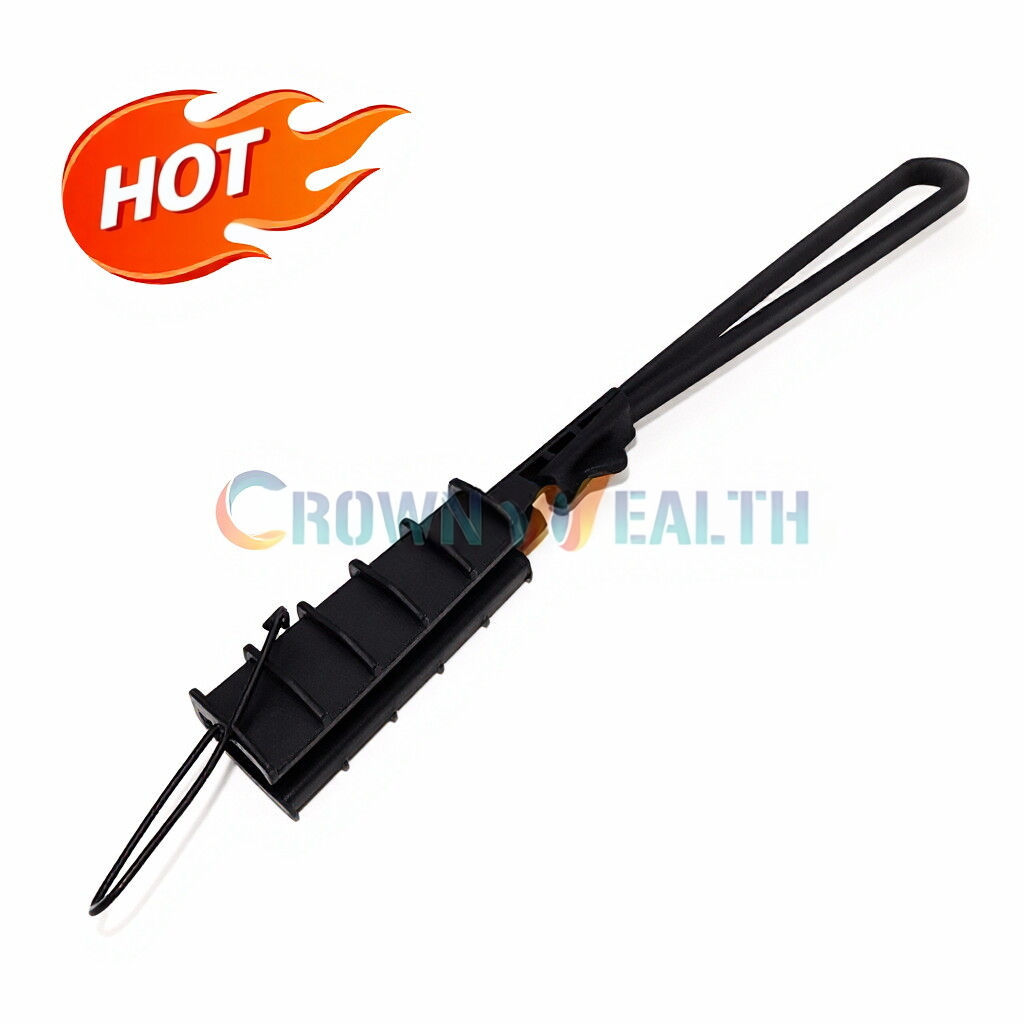
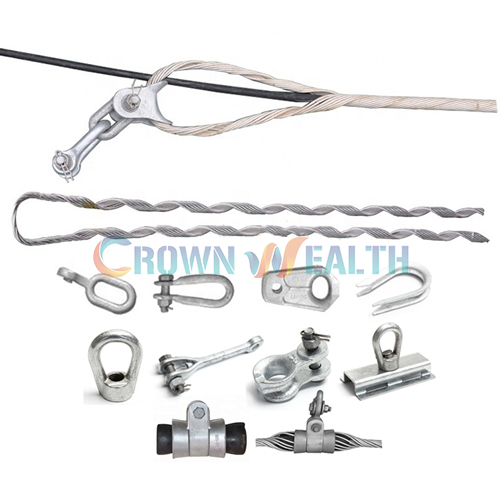
Similarly, the OPGW Performed Helical Suspension Clamp is used to support the OPGW cable along the transmission line. The weight of these clamps depends on their material (such as high - strength steel or aluminum alloy) and the size of the OPGW cable they are designed to hold. A clamp for a thicker and heavier OPGW cable will be larger and heavier compared to one for a thinner cable.
The Cable Storage Assembly is another important fitting. It is used to store excess OPGW cable during installation and maintenance. The weight of a cable storage assembly is related to its capacity and the material used in its construction. A larger - capacity assembly made of durable materials will have a greater weight.
Pre - installation Planning
Before starting the installation of OPGW fittings, a comprehensive pre - installation planning is essential. This includes accurately calculating the weight of all the fittings that will be used in the project. Create a detailed inventory of each type of fitting, including their quantity and individual weights. This will help you estimate the total weight that needs to be handled during the installation process.
Based on the weight calculations, determine the appropriate lifting and handling equipment. For lighter fittings, manual handling may be sufficient, but for heavier ones, mechanical lifting equipment such as cranes, hoists, or forklifts may be required. Ensure that the lifting equipment has a sufficient weight - carrying capacity. Check the equipment's specifications and perform a pre - operation inspection to make sure it is in good working condition.
Site Preparation
The installation site needs to be properly prepared to handle the weight of OPGW fittings. The ground should be level and stable to support the weight of the lifting equipment and the fittings. If the site has soft or uneven ground, consider using ground mats or stabilizers to distribute the weight evenly and prevent the equipment from sinking.
Mark the installation locations clearly. This will not only help in the accurate placement of the fittings but also ensure that the lifting equipment can position the fittings precisely. Provide clear access routes for the lifting equipment to move around the site safely. Remove any obstacles or debris that may impede the movement of the equipment or pose a safety hazard.
Lifting and Handling Techniques
When lifting OPGW fittings, it is crucial to use proper lifting techniques. For mechanical lifting, attach the lifting equipment to the fittings using appropriate lifting points. These lifting points are usually designed by the manufacturer to ensure a balanced and safe lift. Do not use makeshift or improper lifting methods, as this can lead to the fitting being damaged or the lifting equipment malfunctioning.
During the lifting process, maintain a slow and steady pace. Sudden movements can cause the fitting to swing or shift, increasing the risk of accidents. Have a trained operator control the lifting equipment. The operator should be familiar with the equipment's operation and safety procedures.
If manual handling is required for lighter fittings, use proper body mechanics. Bend your knees and keep your back straight when lifting. Avoid twisting your body while carrying the fitting. Use lifting aids such as hand trucks or dollies to reduce the physical strain on the workers.
Safety Considerations
Safety should always be the top priority when handling the weight of OPGW fittings. Provide appropriate personal protective equipment (PPE) to all workers involved in the installation process. This includes hard hats, safety glasses, gloves, and safety shoes.
Establish a safety zone around the installation area. Restrict access to authorized personnel only. Display clear safety signs and warnings to alert workers and other people on the site of the potential hazards associated with handling heavy fittings.


Conduct regular safety training for the workers. The training should cover topics such as proper lifting techniques, equipment operation, and emergency procedures. Encourage workers to report any safety concerns or incidents immediately.
Post - installation Inspection
After the OPGW fittings are installed, conduct a thorough post - installation inspection. Check the fittings for any signs of damage that may have occurred during the handling process. Inspect the connections and fastenings to ensure they are secure.
Verify that the fittings are installed in the correct positions and orientations. This is important for the proper functioning of the OPGW system. If any issues are found, address them immediately to prevent future problems.
Conclusion
Handling the weight of OPGW fittings during installation is a complex but manageable task. By understanding the weight characteristics of different fittings, conducting thorough pre - installation planning, preparing the site properly, using correct lifting and handling techniques, prioritizing safety, and performing post - installation inspections, you can ensure a smooth and successful installation process.
As an OPGW fitting supplier, I am committed to providing high - quality fittings and comprehensive support to our customers. If you are planning an OPGW installation project and need reliable fittings or advice on handling their weight, please feel free to contact us for procurement and further discussions. Our team of experts is ready to assist you in making the right choices for your project.
References
- "OPGW Installation and Maintenance Guidelines" - Industry - standard technical document on OPGW systems.
- Manufacturer's product manuals for OPGW fittings, which provide detailed information on weight, handling, and installation.