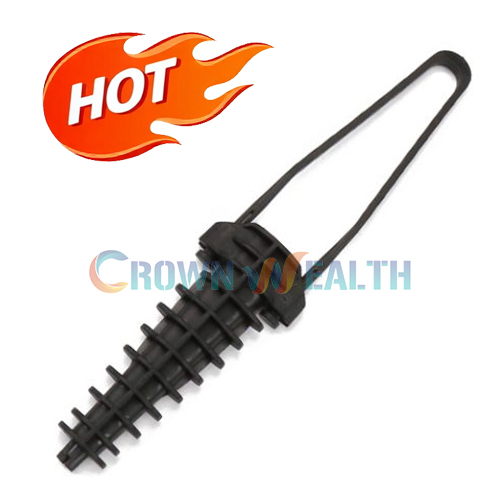
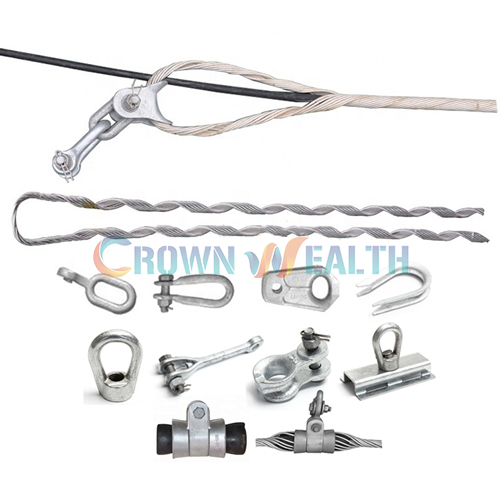
Hey there! As a supplier of Cable Guy Grips, I often get asked about the profile design of our products. So, today I'm gonna dive into whether Cable Guy Grips have a high or low profile design and what that means for you.
First off, let's talk about what we mean by high and low profile designs. A high profile design typically stands out more, it's bulkier and more noticeable. On the other hand, a low profile design is more streamlined and less obtrusive.
The Case for High Profile Cable Guy Grips
High profile Cable Guy Grips have their own set of advantages. One of the main benefits is strength. The larger and more substantial design allows for better distribution of stress. When you're dealing with high - tension applications, like in some heavy - duty electrical or telecommunications installations, a high profile grip can handle the load better.
For example, in areas where there are strong winds or where the cables are subject to a lot of movement, a high profile grip can keep the cable firmly in place. The extra material and larger surface area provide more friction and grip, reducing the risk of the cable slipping out.
Another advantage is durability. High profile grips are usually made with thicker materials, which makes them more resistant to wear and tear. They can withstand harsh environmental conditions, such as extreme temperatures, moisture, and UV exposure. This means they'll last longer, saving you money in the long run on replacements.
However, high profile grips also have some drawbacks. They can be more expensive to manufacture due to the additional material used. And because they're bulkier, they can be more difficult to install, especially in tight spaces. You might need more tools and more time to get them properly in place.
The Case for Low Profile Cable Guy Grips
Low profile Cable Guy Grips are great for situations where space is limited. In modern electrical and telecommunications setups, there's often a need to fit a lot of equipment into a small area. A low profile grip takes up less space, making it easier to work with in these cramped conditions.
They're also lighter in weight. This can be a big advantage when it comes to transportation and installation. Lighter grips are easier to handle, which can reduce the physical strain on the installation crew. And if you're installing a large number of grips, the weight savings can add up.
Low profile grips are also less visually obtrusive. In some applications, like in urban areas where aesthetics matter, a low profile design can blend in better with the surroundings. This is especially important for projects where the appearance of the installation is a consideration.
But low profile grips aren't without their limitations. They may not be as strong as high profile grips, especially in high - tension situations. The reduced material means there's less surface area for friction, which could potentially lead to the cable slipping under heavy loads. And they may not be as durable as high - profile grips in harsh environments.
Our Product Range
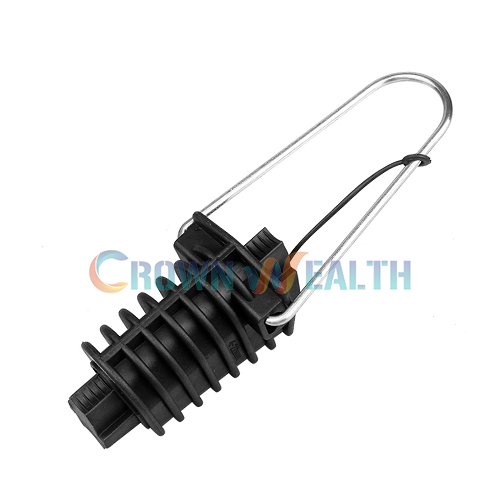
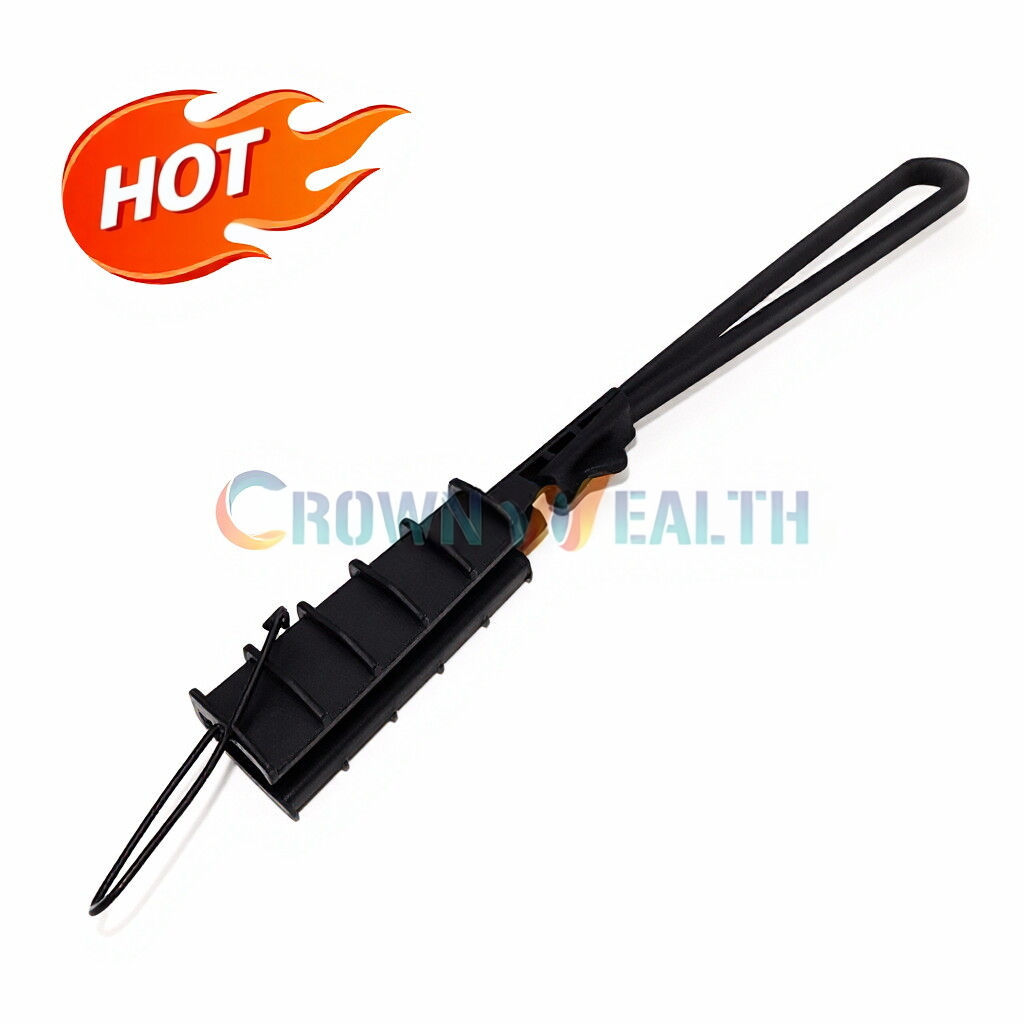
At our company, we offer both high and low profile Cable Guy Grips to meet different customer needs. Our Preformed Conductor Tension Set is a great example of a high - performance product. It's designed to handle high tensions and is built to last in tough conditions.
If you're looking for a low profile option, our Preformed End Guy Grips are a top choice. They're easy to install and take up minimal space, making them ideal for compact installations.
And for conductor repair, we have Preformed Armor Rods for Conductor Repair. These rods can be used in conjunction with our Cable Guy Grips to ensure the integrity of your cables.
Making the Right Choice
So, how do you decide whether a high or low profile Cable Guy Grip is right for your project? It really depends on your specific requirements.


If you're dealing with high - tension applications, harsh environments, and don't have major space constraints, a high profile grip is probably the way to go. The added strength and durability will give you peace of mind that your cables are secure.
On the other hand, if space is limited, you're concerned about weight, or aesthetics are important, a low profile grip might be more suitable. Just make sure to assess the load and environmental conditions carefully to ensure it can handle the job.
Conclusion
In conclusion, both high and low profile Cable Guy Grips have their pros and cons. There's no one - size - fits - all solution. It's all about understanding your project's needs and choosing the design that best meets those requirements.
If you're still not sure which type of Cable Guy Grip is right for you, or if you have any questions about our products, don't hesitate to reach out. We're here to help you make the best decision for your project. Whether you're a contractor, an electrician, or a telecommunications engineer, we can provide you with the right products and support. So, let's start a conversation and see how we can work together to get your project up and running smoothly.
References
- Industry standards for cable grips and related products
- In - house product testing and development reports