Hey there! I'm an ADSS fitting supplier, and today I want to have a chat about the wind - load resistance of ADSS fittings. You might be wondering, what on earth is wind - load resistance, and why does it matter for ADSS fittings? Well, stick around, and I'll break it all down for you.


First off, let's understand what ADSS fittings are. ADSS, or All - Dielectric Self - Supporting, is a type of fiber - optic cable used in power line communication systems. ADSS fittings are the components that hold these cables in place, ensuring they can function properly in various environmental conditions. And one of the most challenging conditions they face is wind.
Wind load is basically the force exerted by the wind on an object. For ADSS fittings, this force can cause all sorts of problems if they aren't designed to handle it. High wind speeds can make the cables sway, vibrate, or even break free from their fittings. This not only disrupts the communication system but can also pose a safety hazard.
So, how do we measure the wind - load resistance of ADSS fittings? There are a few key factors to consider.
Cable Tension
The tension of the ADSS cable plays a huge role in its ability to withstand wind. When the wind blows, it creates a lateral force on the cable. If the cable is too loose, it will sway more, increasing the stress on the fittings. On the other hand, if it's too tight, the cable itself might break under the wind load. Our fittings are designed to maintain the optimal cable tension, ensuring that the cable can handle the wind without excessive movement.
Fitting Design
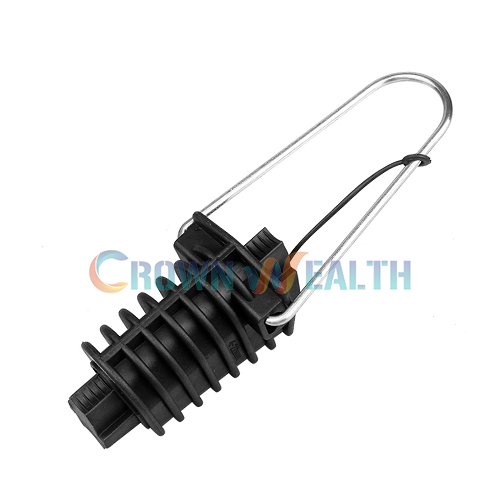
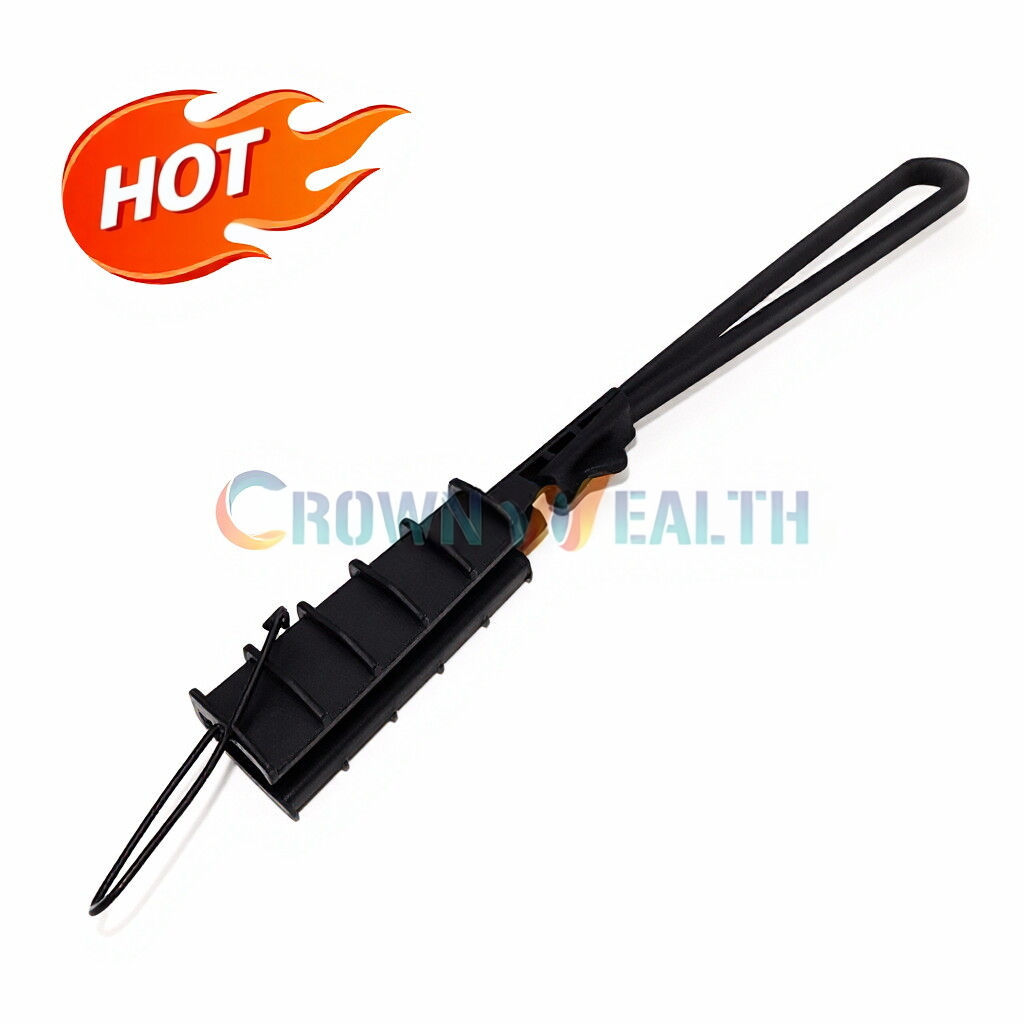
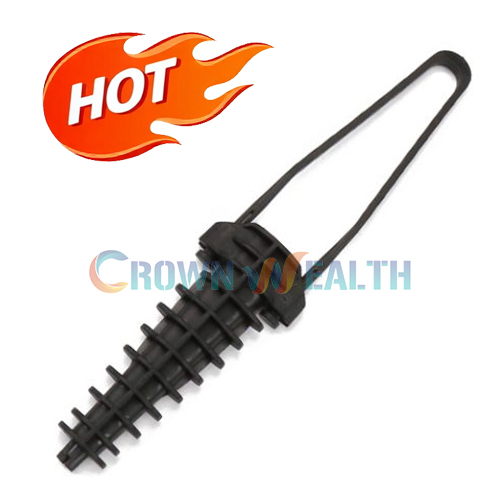
The design of the ADSS fittings is crucial for wind - load resistance. For example, Downlead Clamp is designed to securely hold the cable as it descends from the main line. Its shape and structure are engineered to minimize the impact of wind. The clamp grips the cable tightly, preventing it from slipping or moving during strong winds.
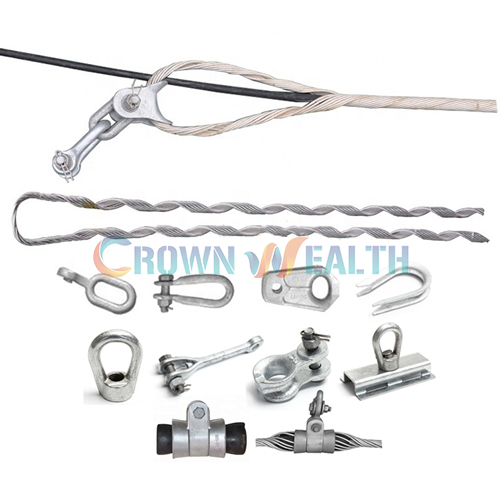
Similarly, ADSS Suspension Clamp is used to support the cable at regular intervals along the line. These clamps are designed to distribute the weight of the cable evenly, reducing the stress on any single point. This even distribution helps the cable and fittings withstand the wind load more effectively.
Double Suspension Clamp is another great example. As the name suggests, it provides double the support. This extra support is especially useful in areas with high wind speeds. The two - point suspension design helps to balance the forces acting on the cable, making it more stable in windy conditions.
Material Quality
The materials used in the construction of ADSS fittings also affect their wind - load resistance. We use high - quality, durable materials that can withstand the test of time and harsh weather conditions. These materials are resistant to corrosion, which is important because corrosion can weaken the fittings over time, reducing their ability to hold the cable securely.
Installation
Proper installation is just as important as the design and materials. If the fittings are not installed correctly, they won't be able to perform to their full potential. Our team of experts provides detailed installation guidelines to ensure that the fittings are installed correctly. We also offer on - site installation support if needed.
Testing and Certification
Before our ADSS fittings hit the market, they go through rigorous testing. We simulate different wind conditions in our testing facilities to ensure that the fittings can withstand the expected wind loads. Our products are also certified by international standards, giving you peace of mind that you're getting a high - quality, wind - resistant product.
Real - World Applications
Let's take a look at some real - world examples of how our ADSS fittings perform in windy conditions. In coastal areas, where strong winds are common, our fittings have been installed on power lines. Despite the high wind speeds, the cables have remained stable, and the communication systems have continued to function without interruption.
In mountainous regions, where the wind can be unpredictable, our fittings have also proven their worth. The ability of our fittings to maintain cable tension and stability has ensured that the ADSS cables can operate reliably, even in challenging environments.
Why Choose Our ADSS Fittings
As a supplier, we're committed to providing the best - quality ADSS fittings with excellent wind - load resistance. We understand the importance of a reliable communication system, and our products are designed to ensure that your system stays up and running, no matter what the weather throws at it.
We offer a wide range of ADSS fittings to meet your specific needs. Whether you need a downlead clamp, a suspension clamp, or a double suspension clamp, we've got you covered. Our products are competitively priced, and we provide excellent customer service.
If you're in the market for ADSS fittings with great wind - load resistance, we'd love to hear from you. Whether you're a small - scale project or a large - scale infrastructure development, we can provide the right solutions for you. Reach out to us to start a conversation about your requirements. We're here to help you make the best choice for your project.
In conclusion, the wind - load resistance of ADSS fittings is a critical factor in ensuring the reliability and safety of fiber - optic communication systems. By considering cable tension, fitting design, material quality, installation, and testing, we've developed a range of ADSS fittings that can withstand even the toughest wind conditions. So, if you want a reliable and wind - resistant solution for your ADSS cable system, don't hesitate to contact us.
References
- International Electrotechnical Commission (IEC) standards on fiber - optic cable fittings.
- Industry research reports on the performance of ADSS fittings in different environmental conditions.