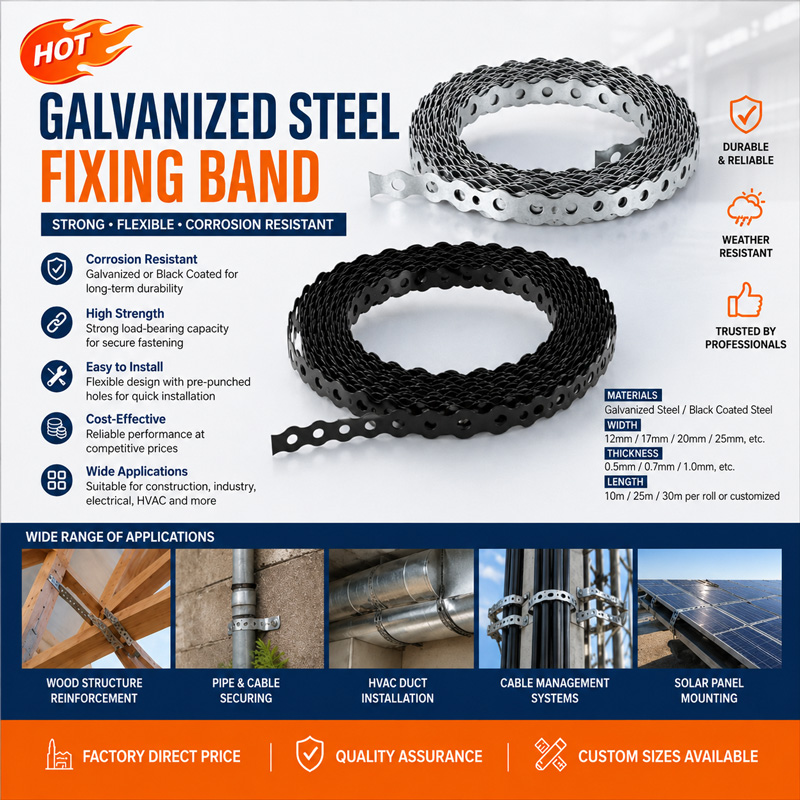
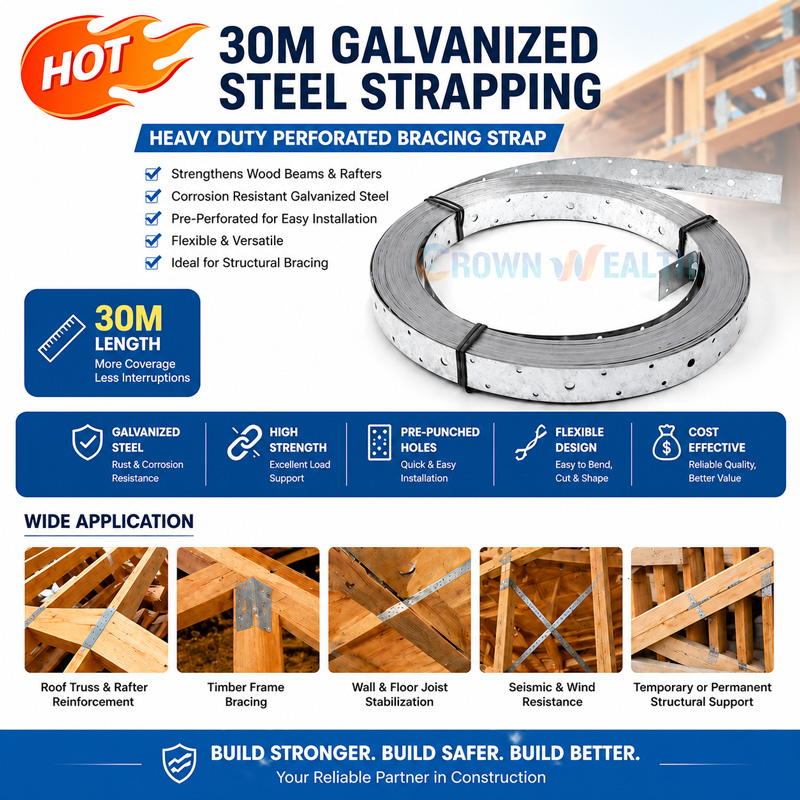
Fastening fixtures play an indispensable role in a wide range of industries, from construction to manufacturing, and telecommunications. As a fastening fixture supplier, I have witnessed firsthand the numerous advantages these products offer, such as providing secure connections, enhancing structural integrity, and ensuring the proper functioning of various systems. However, like any product, fastening fixtures also have their disadvantages. In this blog post, I will explore some of the potential drawbacks associated with using fastening fixtures.
1. Cost Considerations
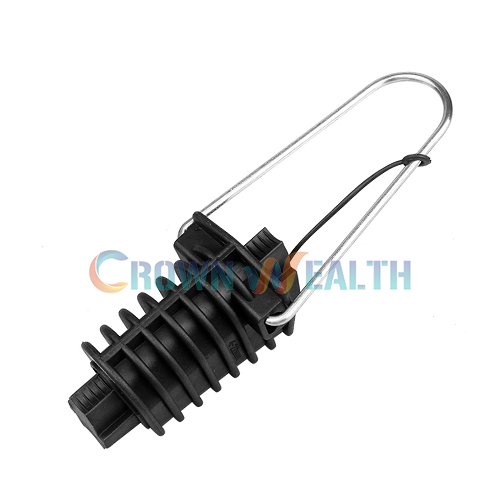
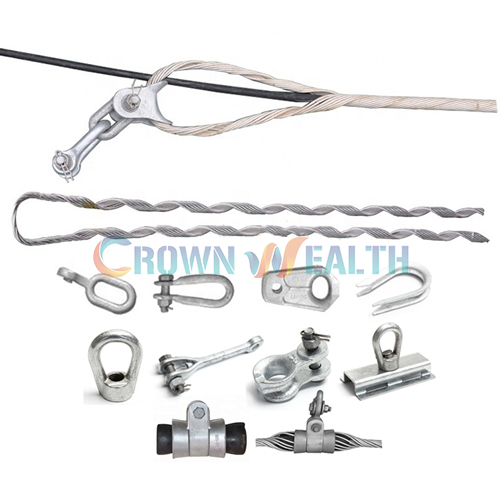
One of the most significant disadvantages of fastening fixtures is the cost. High - quality fastening fixtures often require advanced manufacturing processes, specialized materials, and strict quality control measures. For example, in the telecommunications industry, Hot Dip Galvanized Strain Clamp is designed to withstand harsh environmental conditions and provide long - term reliability. The hot - dip galvanizing process, which involves coating the clamp with a layer of zinc to prevent corrosion, adds to the production cost.
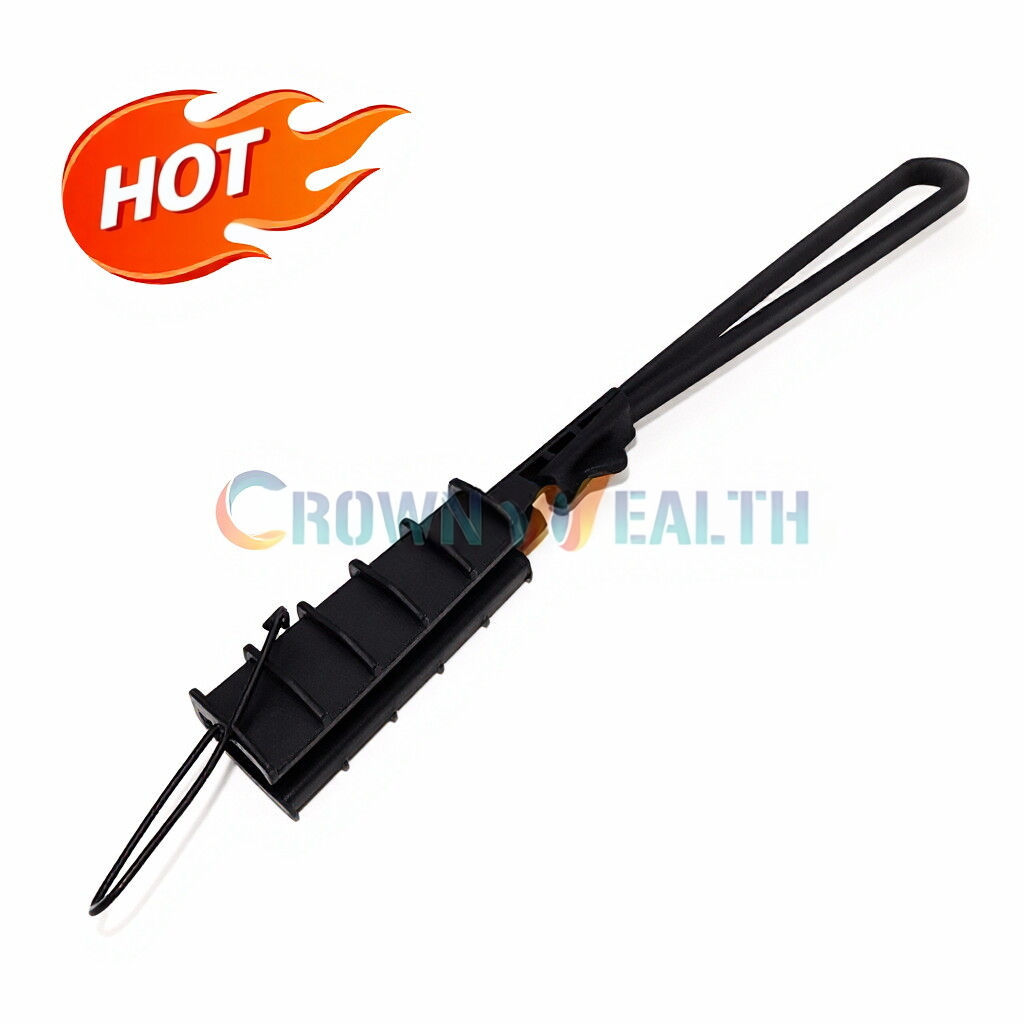
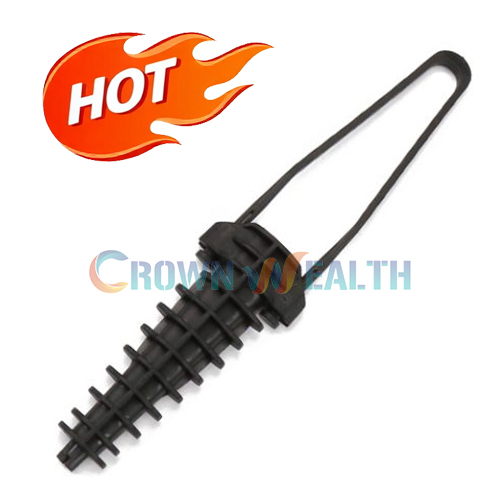
Similarly, Preformed Helical Tension Clamp and ADSS Tension Clamp are precision - engineered products. The preforming process for helical clamps and the specific design requirements for ADSS tension clamps make them relatively expensive compared to simpler fastening solutions. For large - scale projects, the cumulative cost of these fixtures can be a substantial financial burden, especially for budget - conscious clients.


2. Installation Complexity
Another drawback of fastening fixtures is the complexity of installation. Many fastening fixtures require specialized tools and trained personnel for proper installation. Incorrect installation can lead to a variety of problems, including reduced performance, premature failure, and safety hazards.
For instance, in construction projects, the installation of heavy - duty bolts and nuts requires torque wrenches to ensure that the correct amount of force is applied. If the torque is too low, the connection may loosen over time; if it is too high, the fastener or the connected components may be damaged. In the case of fiber - optic cable fittings, such as the ADSS tension clamps, precise alignment and proper tensioning are crucial. A small error during installation can cause signal loss or damage to the cable, which can be extremely costly to repair.
3. Compatibility Issues
Fastening fixtures need to be compatible with the materials and components they are intended to connect. In some cases, achieving this compatibility can be challenging. Different materials have different physical and chemical properties, such as thermal expansion coefficients, hardness, and corrosion resistance.
For example, when using metal fastening fixtures to connect plastic components, there may be issues related to the difference in thermal expansion rates. As the temperature changes, the metal and plastic may expand or contract at different rates, which can lead to loosening of the connection or even damage to the components. In addition, some fastening fixtures may react chemically with certain materials, causing corrosion or degradation over time.
4. Maintenance Requirements
Fastening fixtures also require regular maintenance to ensure their continued performance and safety. Over time, factors such as environmental exposure, vibration, and mechanical stress can cause wear and tear on the fixtures.
In outdoor applications, such as power transmission lines, fastening fixtures are exposed to harsh weather conditions, including rain, snow, and UV radiation. These environmental factors can accelerate corrosion and deterioration of the fixtures. Regular inspections and maintenance, such as cleaning, lubrication, and replacement of worn - out parts, are necessary to prevent failures. However, maintenance can be time - consuming and costly, especially for large - scale installations in remote locations.
5. Limited Reusability
Most fastening fixtures are designed for single - use or have limited reusability. Once a fastening fixture has been installed and removed, its performance may be compromised. For example, bolts and nuts that have been tightened and loosened multiple times may experience thread wear, which can reduce their clamping force and overall reliability.
In some cases, the process of removing a fastening fixture can also cause damage to the connected components. For instance, when removing a rivet, it may be necessary to drill out the rivet, which can leave holes or other damage in the material. This limited reusability can increase the overall cost of a project, as new fixtures need to be purchased for each installation.
6. Environmental Impact
The production and disposal of fastening fixtures can have a significant environmental impact. The manufacturing process often involves the use of energy - intensive processes and the consumption of raw materials. For example, the production of metal fastening fixtures requires mining, refining, and shaping of metals, which can contribute to environmental degradation, including deforestation, water pollution, and greenhouse gas emissions.
In addition, at the end of their life cycle, fastening fixtures need to be disposed of properly. If not disposed of correctly, they can become a source of pollution. Some fastening fixtures may contain hazardous materials, such as lead or cadmium, which can contaminate soil and water if released into the environment.
Conclusion
While fastening fixtures offer many benefits in terms of providing secure connections and ensuring the proper functioning of various systems, they also have several disadvantages. These include high costs, installation complexity, compatibility issues, maintenance requirements, limited reusability, and environmental impact.
However, it's important to note that these disadvantages can be mitigated through careful planning, proper selection of fixtures, and the use of best - practice installation and maintenance procedures. As a fastening fixture supplier, I am committed to helping my clients understand these issues and providing them with the most suitable solutions for their specific needs.
If you are considering using fastening fixtures for your project and would like to discuss how to overcome these potential challenges or explore the best options available, please feel free to contact me for a detailed consultation. I look forward to working with you to find the most cost - effective and reliable fastening solutions for your project.
References
- "Fastening Technology Handbook" by John H. Bickford
- "Mechanical Fasteners and Joining" by ASM International
- Industry reports on the manufacturing and use of fastening fixtures in telecommunications and construction sectors