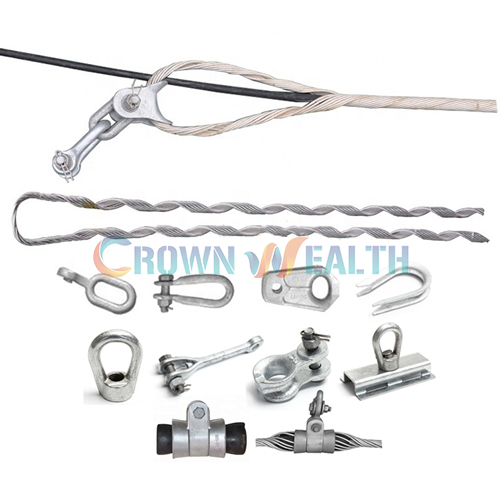
Double yoke plates are essential components in various industries, especially in the electrical and mechanical sectors. As a supplier of double yoke plates, I often encounter inquiries regarding their hardness. In this blog post, I will delve into the concept of hardness in double yoke plates, exploring its significance, measurement methods, and factors that influence it.
Understanding Hardness in Double Yoke Plates
Hardness is a fundamental property of materials that refers to their resistance to permanent deformation, indentation, or scratching. In the context of double yoke plates, hardness plays a crucial role in determining their performance, durability, and suitability for specific applications. A double yoke plate with the appropriate hardness can withstand the mechanical stresses and wear and tear it is exposed to during operation, ensuring reliable and long - lasting service.
Significance of Hardness in Double Yoke Plates
Mechanical Strength
The hardness of double yoke plates is directly related to their mechanical strength. A harder plate can better resist bending, shearing, and other forms of mechanical stress. For example, in electrical transmission systems, double yoke plates are used to connect different components. They need to withstand the tension and compression forces exerted by the conductors and other equipment. A plate with sufficient hardness will not deform under these forces, maintaining the integrity of the connection and preventing electrical failures.
Wear Resistance
In many applications, double yoke plates are subject to friction and abrasion. For instance, when they are used in moving parts of machinery, they rub against other components. A hard double yoke plate is more resistant to wear, which means it will have a longer service life. This reduces the frequency of replacement, saving both time and cost for the end - users.
Corrosion Resistance
Although hardness is not the only factor affecting corrosion resistance, a well - hardened double yoke plate can have a more uniform and dense microstructure, which may enhance its resistance to corrosion. A hard surface can act as a barrier against corrosive agents, preventing them from penetrating the material and causing damage.
Measurement of Hardness in Double Yoke Plates
There are several methods to measure the hardness of double yoke plates, each with its own advantages and limitations.
Brinell Hardness Test
The Brinell hardness test involves pressing a hard spherical indenter into the surface of the double yoke plate under a specific load. The diameter of the indentation left on the surface is measured, and the Brinell hardness number (BHN) is calculated based on the load and the surface area of the indentation. This test is suitable for measuring the hardness of relatively large and thick double yoke plates, as it provides an average hardness value over a relatively large area.
Rockwell Hardness Test
The Rockwell hardness test is a widely used method for measuring the hardness of metals. It uses a diamond cone or a hard steel ball as an indenter. The indenter is first applied with a minor load, and then a major load is added. The difference in the depth of penetration between the minor and major loads is measured, and the Rockwell hardness number is determined. This test is quick and can be used on a variety of materials, including double yoke plates. It is particularly useful for measuring the hardness of thin or small - sized plates.


Vickers Hardness Test
The Vickers hardness test uses a square - based pyramid - shaped indenter. A load is applied to the indenter, which is pressed into the surface of the double yoke plate. The diagonal length of the indentation is measured, and the Vickers hardness number (HV) is calculated. This test is very accurate and can be used to measure the hardness of small areas or thin layers of the material. It is often used for quality control and research purposes.
Factors Affecting the Hardness of Double Yoke Plates
Material Composition
The type of material used to manufacture double yoke plates has a significant impact on their hardness. For example, double yoke plates made of high - carbon steel are generally harder than those made of low - carbon steel. Alloying elements such as chromium, nickel, and molybdenum can also be added to the steel to increase its hardness and other mechanical properties. Aluminum double yoke plates, on the other hand, have a lower hardness compared to steel plates but offer advantages such as light weight and good corrosion resistance.
Heat Treatment
Heat treatment is a crucial process for controlling the hardness of double yoke plates. Processes such as quenching and tempering can be used to increase the hardness of steel double yoke plates. Quenching involves rapidly cooling the heated plate in a quenching medium, such as water or oil, to form a hard martensitic structure. Tempering is then carried out to reduce the brittleness of the quenched plate and improve its toughness. Different heat treatment parameters, such as heating temperature, holding time, and cooling rate, can result in different hardness levels.
Manufacturing Process
The manufacturing process of double yoke plates can also affect their hardness. For example, forging can refine the grain structure of the material, increasing its hardness and strength. Machining operations such as cutting and grinding can introduce residual stresses in the plate, which may also influence its hardness.
Applications of Double Yoke Plates and the Role of Hardness
Electrical Industry
In the electrical industry, double yoke plates are used in power transmission and distribution systems. They are used to connect conductors, insulators, and other electrical components. The hardness of these plates is crucial for ensuring a reliable electrical connection. A hard double yoke plate can maintain its shape and dimensions under the electrical and mechanical stresses, preventing loose connections that could lead to power outages or electrical hazards. For more information on related electrical fittings, you can check out our Aluminum Parallel Clamp.
Mechanical Industry
In the mechanical industry, double yoke plates are used in various types of machinery, such as cranes, elevators, and conveyor systems. They are often part of the load - bearing structure or the moving parts of the machinery. The hardness of the double yoke plates in these applications is important for withstanding the dynamic loads and wear. For example, in a crane, the double yoke plates need to be hard enough to support the heavy loads without deforming.
Aerospace Industry
In the aerospace industry, where weight and performance are critical, double yoke plates made of lightweight and high - strength materials are used. The hardness of these plates needs to be carefully controlled to ensure they can withstand the extreme conditions of flight, such as high - speed vibrations and temperature variations. Our ZH Ball Eyes and QP Ball Eyes are also important components in aerospace applications, and their performance is related to the overall system performance.
Choosing the Right Double Yoke Plates Based on Hardness
When choosing double yoke plates, it is essential to consider the specific requirements of the application. The hardness of the plate should be matched to the mechanical stresses, wear conditions, and environmental factors it will be exposed to. For applications with high - load and high - wear conditions, a harder double yoke plate is usually preferred. However, it is also important to balance hardness with other properties such as toughness and ductility to prevent brittle failure.
As a supplier of double yoke plates, we have a wide range of products with different hardness levels to meet the diverse needs of our customers. Our technical team can provide professional advice on selecting the most suitable double yoke plates for your specific application.
Conclusion
The hardness of double yoke plates is a critical property that affects their performance, durability, and suitability for various applications. Understanding the concept of hardness, its measurement methods, and the factors that influence it is essential for both manufacturers and end - users. By choosing the right double yoke plates with the appropriate hardness, customers can ensure the reliable operation of their equipment and systems.
If you are interested in our double yoke plates or have any questions regarding their hardness or other properties, please feel free to contact us for further discussion and procurement. We are committed to providing high - quality products and excellent service to meet your needs.
References
- Callister, W. D., & Rethwisch, D. G. (2011). Materials Science and Engineering: An Introduction. Wiley.
- ASM Handbook Committee. (2000). ASM Handbook Volume 8: Mechanical Testing and Evaluation. ASM International.
- Metals Handbook Committee. (1990). Metals Handbook Volume 1: Properties and Selection: Irons, Steels, and High - Performance Alloys. ASM International.