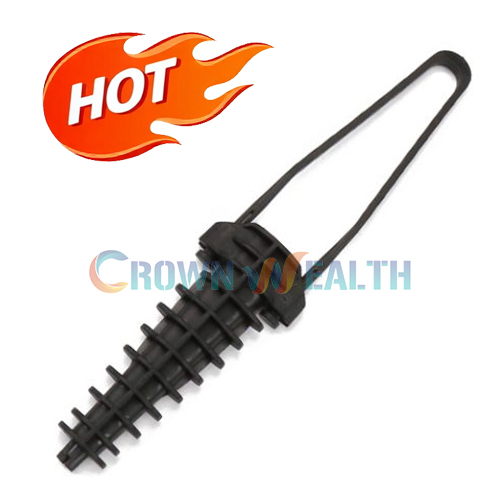
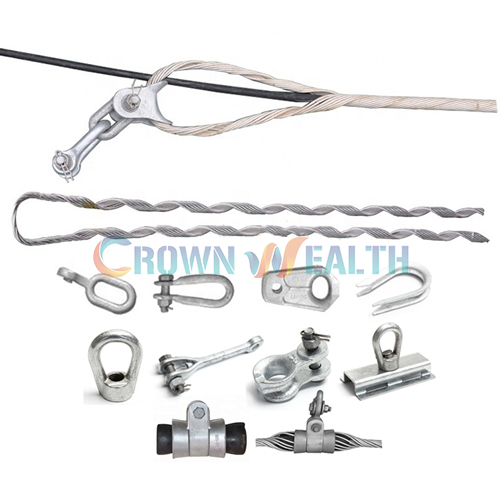
When it comes to the installation and maintenance of power transmission and distribution systems, the double suspension clamp plays a crucial role. As a supplier of high - quality Double Suspension Clamp, I often receive inquiries about the torque requirements for tightening the bolts of these clamps. In this blog, I will delve into the factors that influence the torque requirements and provide some general guidelines.
Understanding the Role of Double Suspension Clamps
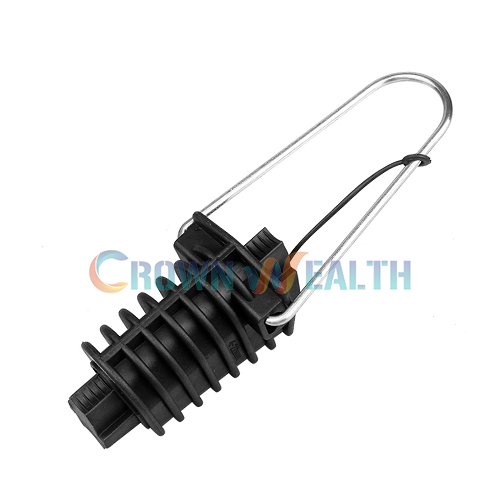
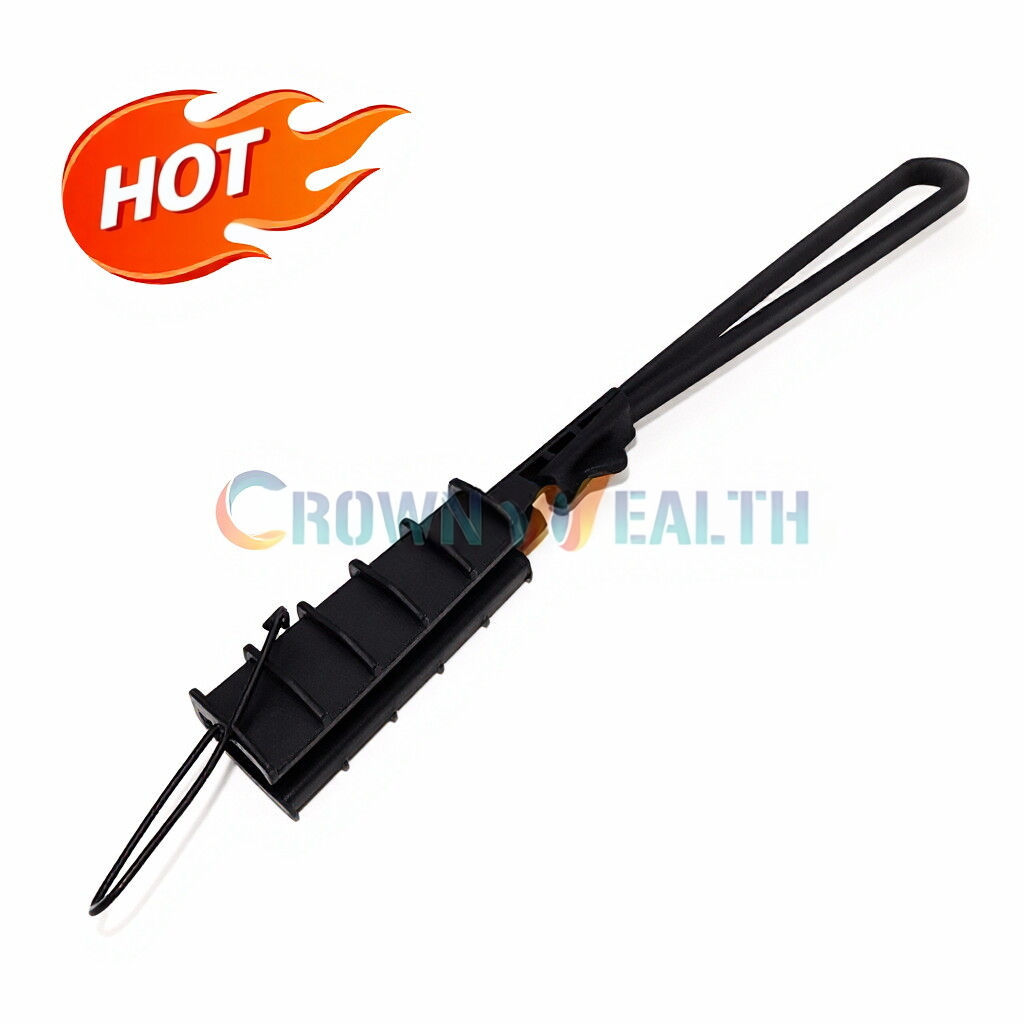
Double suspension clamps are designed to support and secure overhead power cables. They are typically used in situations where the cable needs to be suspended between two points, such as on transmission towers or poles. These clamps need to withstand various forces, including the weight of the cable, wind loads, and the dynamic forces caused by vibration and swaying.
The proper tightening of the bolts in a double suspension clamp is essential for ensuring the long - term performance and safety of the system. If the bolts are not tightened to the correct torque, the clamp may not hold the cable securely, which can lead to cable movement, increased wear and tear, and even potential failure of the clamping system.
Factors Influencing Torque Requirements
Bolt Size and Grade
The size and grade of the bolts used in the double suspension clamp are significant factors in determining the torque requirements. Larger bolts generally require higher torque values because they have a greater cross - sectional area and can withstand more force. Similarly, bolts with a higher grade, such as grade 8 or 10.9, are stronger and need more torque to achieve the proper clamping force.
For example, a M12 bolt may require a different torque value compared to a M16 bolt. The manufacturer's specifications for the bolts should be consulted to determine the appropriate torque range based on their size and grade.
Material of the Clamp and Cable
The materials of the double suspension clamp and the cable it holds also affect the torque requirements. Different materials have different coefficients of friction, which can impact the amount of torque needed to achieve the desired clamping force.
If the clamp is made of a hard - surfaced material and the cable has a smooth outer layer, the friction between them may be relatively low. In this case, a higher torque may be required to prevent the cable from slipping within the clamp. On the other hand, if the materials have a high coefficient of friction, a lower torque may be sufficient.
Environmental Conditions
The environmental conditions in which the double suspension clamp will be installed play a role in determining the torque requirements. In areas with high humidity, for example, corrosion can occur over time, which may affect the integrity of the bolts and the clamping force. To account for potential corrosion, a slightly higher torque may be applied during installation to ensure that the clamp remains secure throughout its service life.
Extreme temperatures can also have an impact. In cold environments, materials may contract, and in hot environments, they may expand. These dimensional changes can affect the clamping force, so the torque requirements may need to be adjusted accordingly.
General Torque Guidelines
While the specific torque requirements for double suspension clamps can vary depending on the factors mentioned above, some general guidelines can be followed.
For most standard double suspension clamps with medium - sized bolts (e.g., M12 - M16), the torque values typically range from 50 to 200 Nm. However, it is important to note that these are only rough estimates, and the exact values should be obtained from the manufacturer's documentation.
The manufacturer's instructions usually provide a torque - tightening sequence as well. This sequence is designed to ensure that the clamping force is evenly distributed across the clamp, preventing uneven stress on the cable and the clamp itself. For example, the bolts may need to be tightened in a specific order, such as starting from the center and working outwards.
Importance of Using the Correct Torque
Using the correct torque when tightening the bolts of a double suspension clamp is of utmost importance. If the torque is too low, the clamp may not provide sufficient clamping force, leading to cable slippage. This can cause the cable to move within the clamp, which may result in abrasion, damage to the cable insulation, and an increased risk of electrical faults.


Conversely, if the torque is too high, it can lead to over - tightening. Over - tightening can cause the bolts to stretch or break, damage the threads, or even deform the clamp. This can compromise the structural integrity of the clamping system and reduce its ability to hold the cable securely.
Other Related Clamping Products
In addition to double suspension clamps, there are other types of clamps that are used in power transmission and distribution systems. For example, the Performed Helical Suspension Clamp is another option for suspending cables. It has a unique helical design that provides a more uniform clamping force around the cable.
The Downlead Clamp is used to secure the downlead cable, which connects the overhead cable to the ground or other equipment. Each of these clamps also has its own specific torque requirements, which should be followed to ensure proper installation and performance.
Conclusion
Determining the torque requirements for tightening the bolts of a double suspension clamp is a complex process that involves considering multiple factors such as bolt size and grade, material properties, and environmental conditions. As a supplier of double suspension clamps, I understand the importance of providing accurate information and high - quality products to our customers.
If you are in the process of installing or maintaining a power transmission or distribution system and need double suspension clamps or other related products, I encourage you to reach out for more detailed information and to discuss your specific requirements. Our team of experts can provide you with the technical support and guidance you need to ensure the proper installation and long - term performance of your clamping systems.
References
- Manufacturer's documentation for double suspension clamps.
- Industry standards for power transmission and distribution clamping systems.
- Engineering textbooks on mechanical fasteners and clamping forces.