Hey there! As a supplier of fastening fixtures, I've had my fair share of experiences with both permanent and temporary fastening fixtures. They're both super important in different scenarios, but they've got some key differences that you should know about if you're in the market to buy. So, let's dive right in and break down these differences.
How They're Installed
One of the most obvious differences between permanent and temporary fastening fixtures lies in how they're installed. Permanent fixtures are designed to be a long - term part of a structure. We're talking about stuff like welding, riveting, or using strong adhesives. When you weld two pieces of metal together, for example, it forms a bond that's really hard to break. It's like a marriage for your materials – once it's done, it's meant to last.
On the flip side, temporary fixtures are all about flexibility. They're easy to install and remove. Think of things like screws, bolts, and clips. You can quickly put them in place when you need to hold something together for a short period, and then take them out without causing much damage to the materials. For instance, if you're setting up a display at a trade show, you can use bolts to attach different parts of the booth. When the show's over, you can just unscrew everything and pack it up.
Durability and Long - Term Use
Durability is a major factor when it comes to choosing between permanent and temporary fixtures. Permanent fixtures are built to last. They can withstand a lot of wear and tear, extreme weather conditions, and heavy loads. For example, in a bridge construction, permanent fastening methods like riveting are used to ensure the structure can handle the weight of traffic and the forces of nature for decades.
Temporary fixtures, however, are not designed for long - term, heavy - duty use. They're more for short - term projects or situations where you might need to make changes frequently. If you use a temporary clip to hold a cable in place during a construction project, it'll do the job for a while. But over time, the clip might loosen or break, especially if it's exposed to a lot of movement or vibration.
Cost Considerations
Cost is always a big deal when you're making purchasing decisions. Permanent fastening fixtures often require more upfront investment. The equipment needed for welding or using strong adhesives can be expensive, and the labor costs for installation are usually higher too. You need skilled workers to ensure the permanent bond is done correctly.
Temporary fixtures, on the other hand, are generally more cost - effective in the short run. Screws, bolts, and clips are relatively inexpensive, and you don't need highly specialized labor to install them. You can even reuse many temporary fixtures in different projects, which can save you money in the long term.
Application Scenarios
The application scenarios for permanent and temporary fixtures are quite different. Permanent fixtures are commonly used in construction, manufacturing, and infrastructure projects. In the construction of buildings, permanent fastening methods are used to connect steel beams, concrete slabs, and other structural elements. This ensures the stability and safety of the building for its entire lifespan.
Temporary fixtures are widely used in industries like event management, prototyping, and maintenance. In event management, you might use temporary clamps to set up stages, lighting rigs, and signage. In prototyping, you can quickly assemble and disassemble parts to test different designs without committing to a permanent bond.


Examples of Our Products
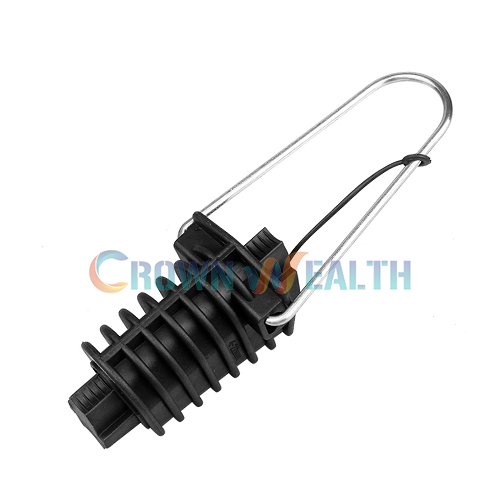
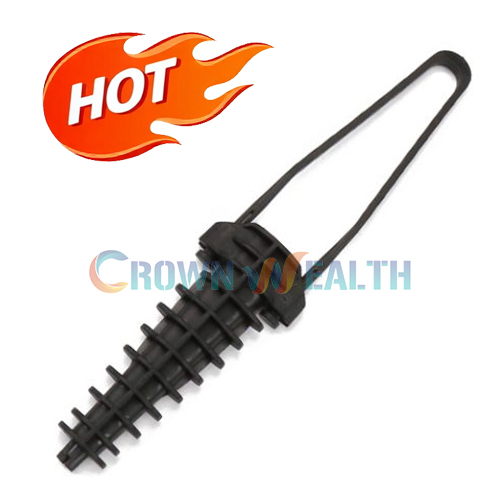
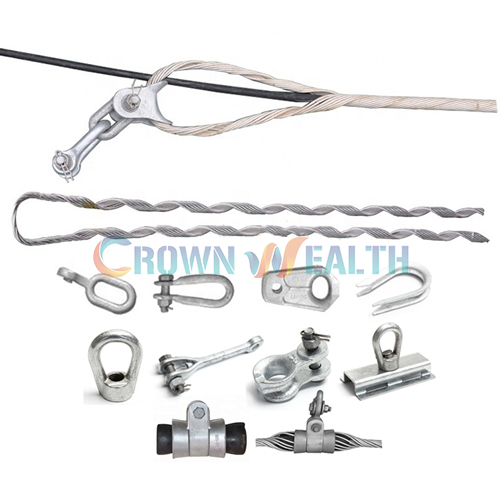
At our company, we offer a wide range of both permanent and temporary fastening fixtures. For example, our Performed Suspension Clamp is a great example of a high - quality permanent fixture. It's designed to securely hold fiber - optic cables in place for a long time, withstanding various environmental conditions.
Our Down Lead Clamp for Pole Or Tower is another excellent product. It can be used as a temporary or semi - permanent solution for attaching down leads to poles or towers. It's easy to install and provides a reliable hold.
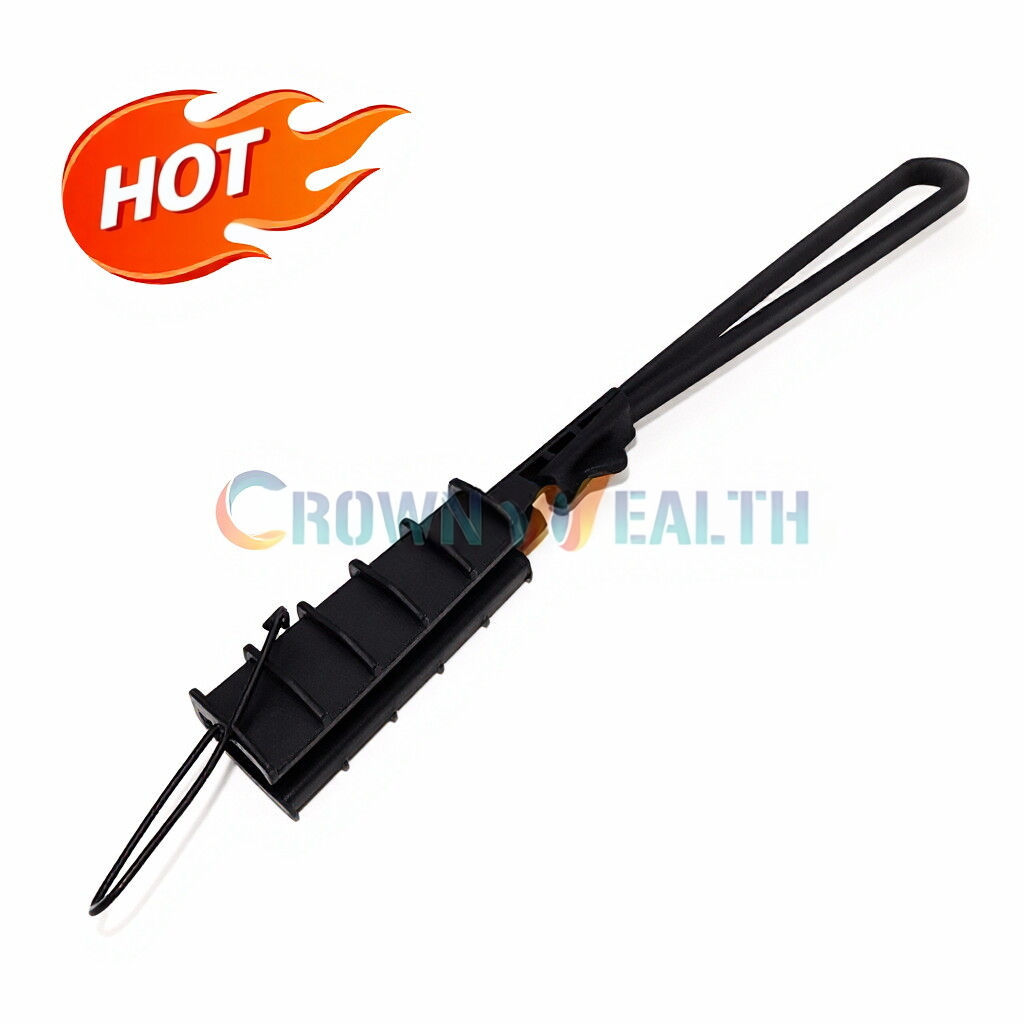
And if you're looking for a temporary option, our Overhead Line Suspension Clamp is a great choice. It allows for quick installation and removal, making it perfect for short - term projects or situations where you might need to make adjustments.
Making the Right Choice
So, how do you decide which type of fastening fixture is right for your project? Well, it all comes down to your specific needs. If you're working on a long - term, high - stakes project where durability and stability are crucial, permanent fixtures are probably the way to go. But if you need flexibility, quick installation, and the ability to make changes easily, temporary fixtures are a better option.
We understand that every project is unique, and that's why we're here to help. Our team of experts can provide you with personalized advice based on your requirements. Whether you're a small business owner working on a DIY project or a large construction company building a skyscraper, we've got the right fastening fixtures for you.
Let's Talk
If you're interested in learning more about our fastening fixtures or have any questions about which type is best for your project, don't hesitate to reach out. We're always happy to have a chat and help you find the perfect solution. Just drop us a line, and we'll get back to you as soon as possible.
References
- "Fastening Technology Handbook" by J. H. Bickford
- "Engineering Design Handbook: Fasteners and Joining" by the U.S. Army Materiel Command