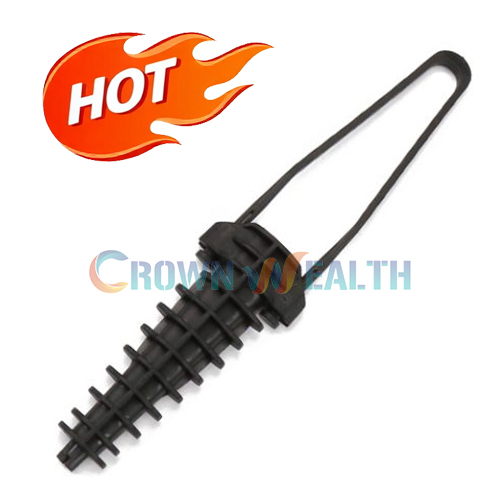
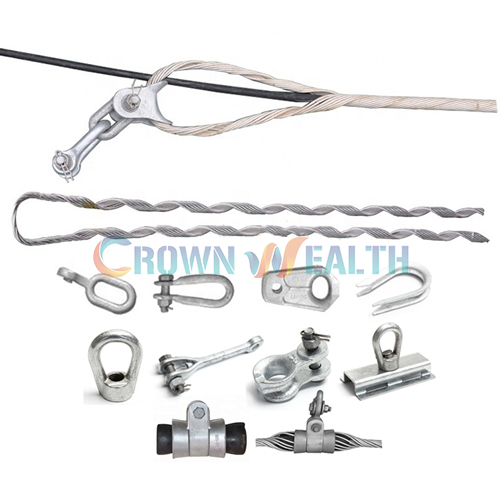
Hey there! I'm a supplier of protective fittings, and I've been in this business for quite a while. Over the years, I've learned a thing or two about how to display these products effectively in a store. In this blog, I'll share with you what I think is the best way to do it.
First off, let's talk about why proper display matters. When customers walk into a store, they're often looking for a specific product or just browsing to see what's available. A well - displayed store can attract their attention, make it easier for them to find what they need, and ultimately increase sales. For protective fittings, which come in various shapes, sizes, and functions, a good display can really showcase the features and benefits of each product.
Understanding Your Products
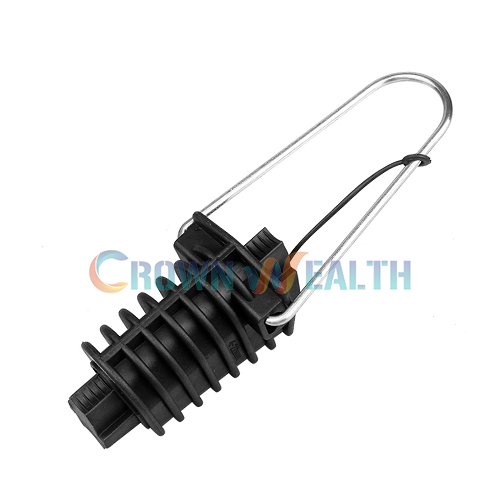
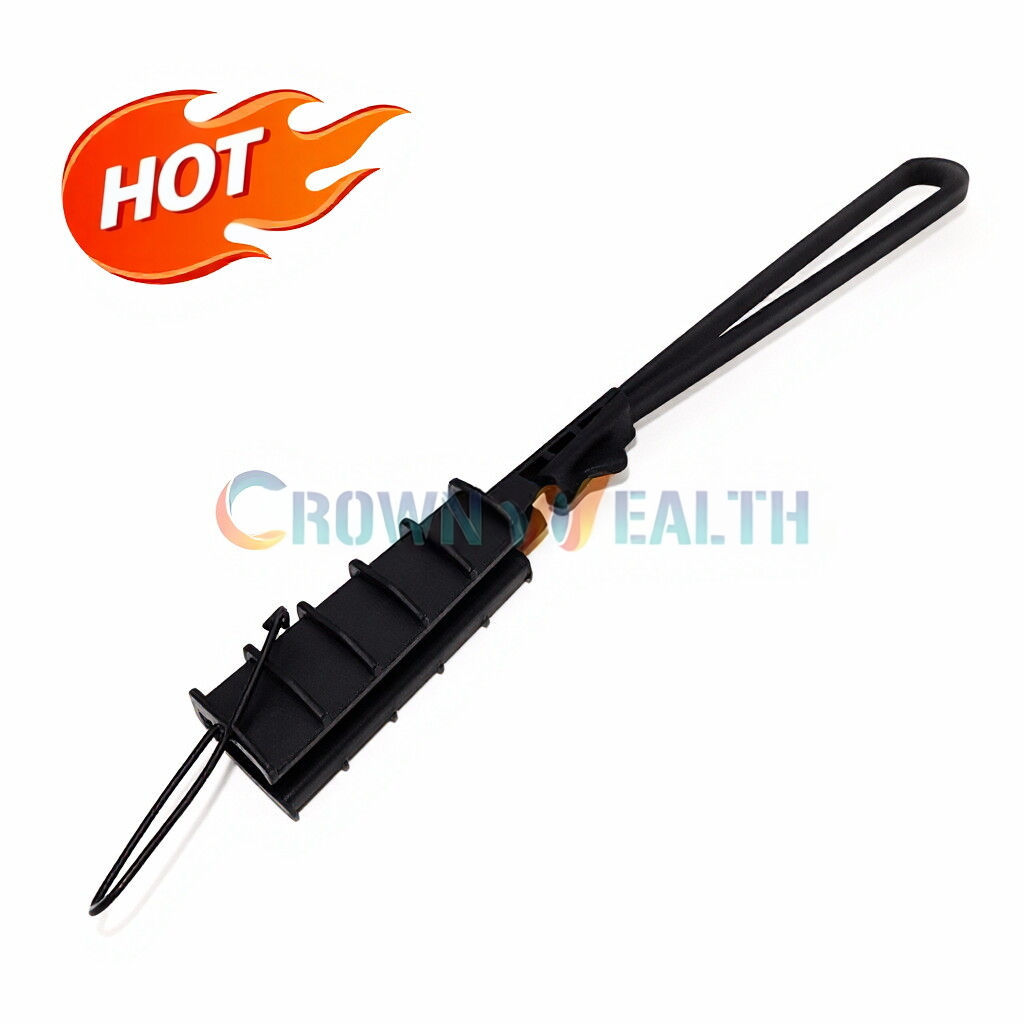
Before you start setting up the display, it's crucial to have a deep understanding of your protective fittings. We offer a wide range of products, like Preformed Armor Rods for Conductor Repair, Vibration Damper, and Tuning Fork Vibration Damper. Each of these products has its own unique selling points.
Preformed armor rods are used for conductor repair. They're designed to provide long - term protection to conductors, and their pre - formed shape makes them easy to install. Vibration dampers, on the other hand, are used to reduce the vibration of overhead power lines, which can prevent damage caused by fatigue. Tuning fork vibration dampers are a specialized type of vibration damper with a unique design that offers excellent damping performance.
Once you know what each product does, you can plan your display around their features and benefits.
Creating a Theme - Based Display
One of the best ways to display protective fittings is to create a theme - based display. For example, you could have a "Power Line Protection" theme. In this display, you can group all the products related to power line protection together.
You can start by creating a focal point. Maybe you can put a large, high - quality model of a power line tower in the center of the display area. Then, place your protective fittings around it. For instance, you can hang vibration dampers on the model's lines to show how they're used in real - life situations.
Label each product clearly with its name, function, and key features. You can also add some visual aids, like pictures or diagrams, to explain how the product works. This way, customers can quickly understand what each product is for and how it can benefit them.
Using Different Levels and Heights
Don't just lay your protective fittings flat on the shelves. Use different levels and heights to create an interesting and dynamic display. You can use risers, shelves at different heights, or even wall - mounted displays.
For example, you can place the smaller and more delicate items, like small preformed armor rods, on higher shelves where they can be easily seen but are also protected from being knocked over. Larger items, such as big vibration dampers, can be placed on the lower shelves or on the floor if they're heavy.
This not only makes the display more visually appealing but also helps customers access the products more easily. They can see all the products at a glance and reach for the ones they're interested in without having to search through a jumbled mess.
Lighting is Key
Good lighting can make a huge difference in how your protective fittings are displayed. You want to use bright, even lighting to highlight the products. Avoid harsh shadows, as they can make the products look unappealing.
You can use a combination of overhead lighting and spotlights. Overhead lighting provides general illumination for the entire display area, while spotlights can be used to focus on specific products or features. For example, you can use a spotlight to shine on a particularly innovative or unique protective fitting to draw customers' attention.


Interactive Displays
Another great way to engage customers is to create interactive displays. For example, you can set up a small demonstration area where customers can see how a vibration damper reduces vibration. You can use a simple model of a power line with a vibration source and show how the damper works to minimize the vibration.
This hands - on experience can help customers better understand the product's capabilities and make them more likely to make a purchase. You can also have staff on hand to answer any questions and provide more in - depth information about the products.
Color - Coding and Grouping
Color - coding your protective fittings can be a great way to make the display more organized and easier to understand. For example, you can group all the products related to conductor protection in one color, and the products for vibration reduction in another color.
You can use colored labels, tags, or even colored shelves to achieve this. This makes it easy for customers to quickly find the type of product they're looking for.
In addition to color - coding, grouping products by their function or application is also important. For example, group all the power line protective fittings together, and separate them from the fittings used for other applications, like industrial machinery protection.
Keeping the Display Clean and Tidy
A clean and tidy display is essential. Make sure your protective fittings are free from dust and dirt. Regularly clean the shelves, risers, and any other display elements.
If a product has been handled by a customer, put it back in its proper place and make sure it looks presentable. A messy display can give customers the impression that your products are of low quality or that you don't take pride in your business.
Updating the Display Regularly
The market for protective fittings is constantly evolving, with new products and technologies being introduced all the time. To keep your customers interested, it's important to update your display regularly.
You can introduce new products as they become available, change the theme of the display seasonally, or highlight special offers and promotions. This shows that your store is up - to - date and that you're offering the latest and greatest in protective fittings.
Conclusion
In conclusion, the best way to display protective fittings in a store involves a combination of understanding your products, creating an engaging theme - based display, using different levels and heights, having good lighting, creating interactive displays, color - coding and grouping, keeping the display clean, and updating it regularly.
If you're interested in our protective fittings or have any questions about how to display them in your store, feel free to reach out. We're always happy to help you make the most of your display and increase your sales. Whether you're a small local store or a large chain, we can provide you with high - quality protective fittings and valuable advice on how to showcase them effectively.
References
- Retail Display Best Practices: A Guide for Small Businesses. (No specific publication details as this is general industry knowledge)
- Power Line Protection Product Manuals (From the product manufacturers)