As a seasoned OPGW cable storage provider, I've often encountered inquiries regarding the necessity of pest control in our storage facilities. This topic is not only relevant but also crucial for maintaining the quality and longevity of OPGW cables. In this blog, I'll delve into the scientific aspects of why pest control might be essential and share insights from my years of experience in the industry.
OPGW (Optical Ground Wire) cables are a vital component in modern power transmission and communication systems. They combine the functions of a ground wire and an optical fiber cable, providing both electrical protection and high - speed data transmission. These cables are typically made of a combination of steel wires for strength and optical fibers for data transfer, encased in a protective sheath.
When it comes to storing OPGW cables, the environment plays a significant role. Pests such as rodents, insects, and even some birds can pose a serious threat to the integrity of the cables. Rodents, for example, have a natural tendency to gnaw on objects. Their sharp teeth can easily penetrate the outer sheath of the OPGW cable, exposing the internal components. Once the sheath is damaged, moisture can seep in, leading to corrosion of the steel wires and degradation of the optical fibers. This can result in signal loss, reduced cable lifespan, and ultimately, costly repairs or replacements.


Insects, especially termites and ants, can also cause damage. Termites are known for their ability to chew through wood and other materials. Although OPGW cables are not made of wood, the plastic sheaths can still be a target. Some insects may build nests within the cable storage area, and their activities can cause physical damage to the cables over time. Birds, on the other hand, may use the cables as perches or nesting sites. Their droppings can be acidic and corrode the cable surface, and their nesting materials can cause blockages or interfere with the cable's proper functioning.
Scientifically speaking, the materials used in OPGW cables are carefully selected to withstand various environmental conditions. However, they are not immune to pest - related damage. The outer sheath is designed to protect the internal components from moisture, UV radiation, and mechanical stress. But when pests breach this protective layer, the cable's performance can be severely compromised.
To understand the impact of pest damage on OPGW cables, we can look at some real - world examples. In areas with high rodent populations, power and communication companies have reported an increase in cable failures. These failures often lead to power outages and disruptions in communication services. In some cases, the damage was so extensive that entire sections of the cable had to be replaced, resulting in significant financial losses.
In addition to the direct damage caused by pests, there are also indirect effects. For instance, a pest - infested storage area can create an unhygienic environment. This can attract other pests and increase the risk of mold and mildew growth, which can further damage the cables. Moreover, the presence of pests can be a safety hazard for the workers handling the cables.
So, what can be done to prevent pest damage in OPGW cable storage? The first step is to implement a comprehensive pest control program. This includes regular inspections of the storage area to detect any signs of pest activity. Sealing all possible entry points, such as cracks and holes in the walls and floors, can prevent pests from entering the storage facility. Using pest - resistant materials in the construction of the storage area can also be beneficial.
Traps and baits can be used to control rodent populations. For insects, insecticides can be applied in a safe and controlled manner. However, it's important to choose products that are environmentally friendly and do not pose a risk to the cables. In some cases, natural pest control methods, such as using predator insects or essential oils, can be effective alternatives.
Another important aspect is proper cable storage. Cables should be stored on racks or pallets, keeping them off the ground to prevent contact with pests and moisture. The storage area should be kept clean and free of debris, as clutter can provide hiding places for pests.
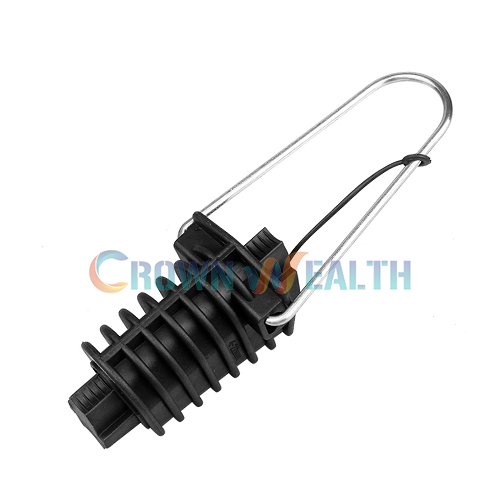
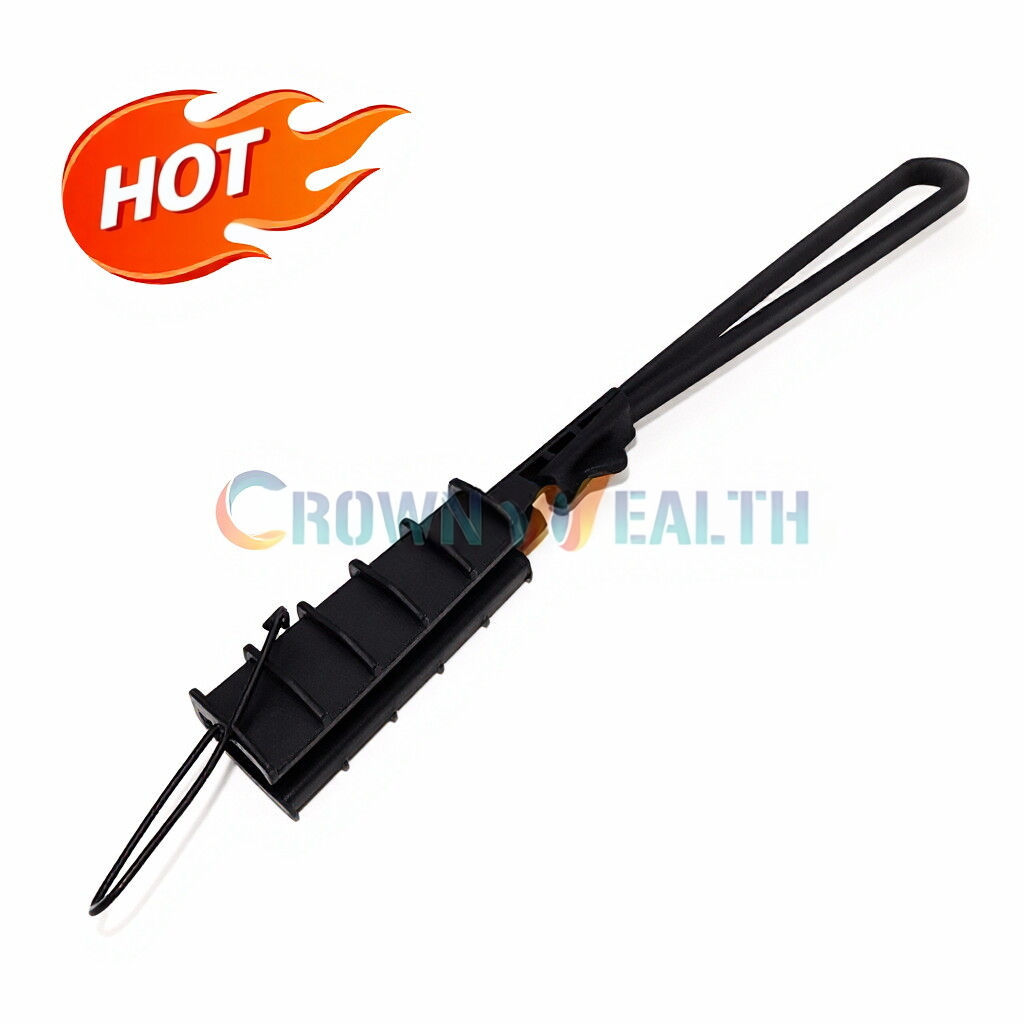
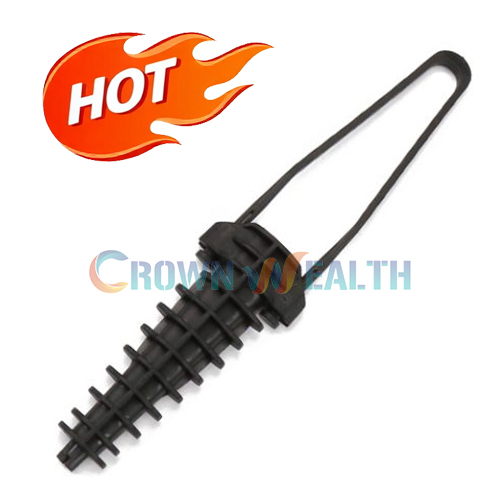
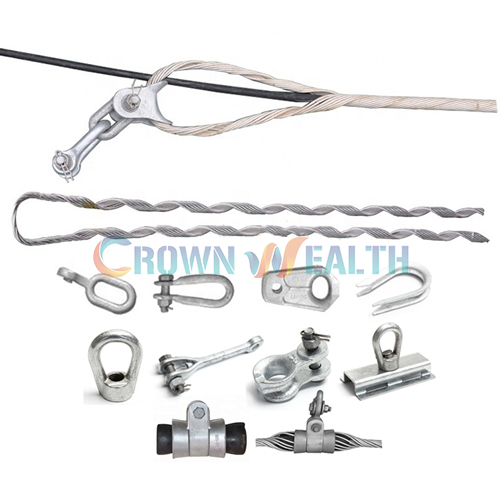
Now, let's talk about the accessories related to OPGW cables. OPGW Strain Clamp is an essential component that helps to support the cable under tension. It ensures that the cable is securely fastened and can withstand the mechanical stress. OPGW Performed Suspension Clamp is used to suspend the cable from the supporting structures. It provides a stable and reliable connection, preventing the cable from sagging or moving. Preformed Double Suspension is another important fitting that offers enhanced support and stability for the OPGW cable.
As a provider of OPGW cable storage solutions, I understand the importance of ensuring the quality and safety of the cables. Our storage facilities are designed to meet the highest standards, and we take pest control seriously. We have a team of experts who are dedicated to maintaining a pest - free environment for your cables.
If you are in the market for OPGW cable storage solutions or need more information about pest control in cable storage, I encourage you to reach out. We are here to provide you with the best products and services to meet your needs. Whether you are a power company, a communication service provider, or an installer, we can offer customized solutions to ensure the long - term performance of your OPGW cables.
In conclusion, pest control is indeed necessary for OPGW cable storage. The potential damage caused by pests can have a significant impact on the performance and lifespan of the cables. By implementing a comprehensive pest control program and proper storage practices, we can minimize the risk of pest - related damage and ensure the reliability of the power and communication systems.
References
- "Handbook of Fiber Optic Data Communications"
- "Power System Protection and Switchgear"
- Industry reports on cable failures due to pest damage