What is the fatigue life of Double Yoke Plates?
As a supplier of Double Yoke Plates, I often encounter inquiries from customers about the fatigue life of these crucial components. Understanding the fatigue life of Double Yoke Plates is essential for ensuring the long - term reliability and safety of various applications, such as in the power transmission and distribution industry, construction, and marine sectors.
Definition and Importance of Fatigue Life
Fatigue life refers to the number of stress cycles a material or component can withstand before it fails due to fatigue. Fatigue failure occurs when a material is subjected to repeated or fluctuating stresses, which can lead to the initiation and propagation of cracks over time. In the case of Double Yoke Plates, these stresses can come from a variety of sources, including mechanical vibrations, dynamic loads, and environmental factors.
The importance of knowing the fatigue life of Double Yoke Plates cannot be overstated. In power transmission lines, for example, Double Yoke Plates are used to connect different components of the line, such as insulators and conductors. If a Double Yoke Plate fails due to fatigue, it can lead to a disruption in power supply, pose a safety hazard to maintenance workers, and result in significant economic losses.
Factors Affecting the Fatigue Life of Double Yoke Plates
-
Material Properties
The material used to manufacture Double Yoke Plates plays a crucial role in determining their fatigue life. High - quality materials with good mechanical properties, such as high strength and toughness, are more resistant to fatigue. For instance, steel is a commonly used material for Double Yoke Plates due to its excellent strength and durability. The chemical composition and heat treatment of the steel can also affect its fatigue resistance. A well - heat - treated steel Double Yoke Plate will have a more uniform microstructure, which can enhance its ability to withstand cyclic stresses. -
Stress Levels
The magnitude and type of stress applied to the Double Yoke Plates are significant factors in their fatigue life. Higher stress levels generally lead to a shorter fatigue life. Dynamic stresses, such as those caused by wind - induced vibrations in power lines or mechanical shocks in construction equipment, are more likely to cause fatigue failure than static stresses. It is important to accurately calculate the stress levels that the Double Yoke Plates will be subjected to during their service life and design them accordingly. -
Surface Finish
The surface finish of Double Yoke Plates can have a profound impact on their fatigue life. A smooth surface finish can reduce stress concentrations and prevent the initiation of cracks. On the other hand, rough surfaces or surface defects, such as scratches and pits, can act as stress raisers and accelerate fatigue crack growth. During the manufacturing process, proper machining and finishing operations should be carried out to ensure a smooth surface finish on the Double Yoke Plates. -
Environmental Conditions
The environment in which the Double Yoke Plates operate can also affect their fatigue life. Corrosive environments, such as those found in coastal areas or industrial settings, can cause corrosion on the surface of the plates. Corrosion can reduce the cross - sectional area of the plates and create stress concentrations, thereby shortening their fatigue life. In such environments, protective coatings or materials with high corrosion resistance should be used.
Methods for Estimating the Fatigue Life of Double Yoke Plates
-
Experimental Testing
One of the most reliable methods for estimating the fatigue life of Double Yoke Plates is through experimental testing. This involves subjecting samples of the Double Yoke Plates to cyclic loading in a laboratory environment using a fatigue testing machine. The number of cycles to failure is recorded, and statistical analysis is performed to estimate the fatigue life of the plates under different stress levels. Experimental testing can provide accurate data, but it is time - consuming and expensive. -
Finite Element Analysis (FEA)
Finite Element Analysis is a numerical method that can be used to simulate the behavior of Double Yoke Plates under cyclic loading. FEA software can model the geometry, material properties, and loading conditions of the plates and calculate the stress and strain distribution within them. By analyzing the stress and strain results, engineers can predict the initiation and propagation of cracks and estimate the fatigue life of the Double Yoke Plates. FEA is a cost - effective and efficient method, but its accuracy depends on the quality of the input data and the assumptions made in the model.

Our Commitment as a Double Yoke Plates Supplier
As a supplier of Double Yoke Plates, we are committed to providing our customers with high - quality products with a long fatigue life. We use only the best materials and advanced manufacturing processes to ensure the reliability and durability of our Double Yoke Plates. Our products undergo rigorous quality control and testing procedures to meet or exceed industry standards.
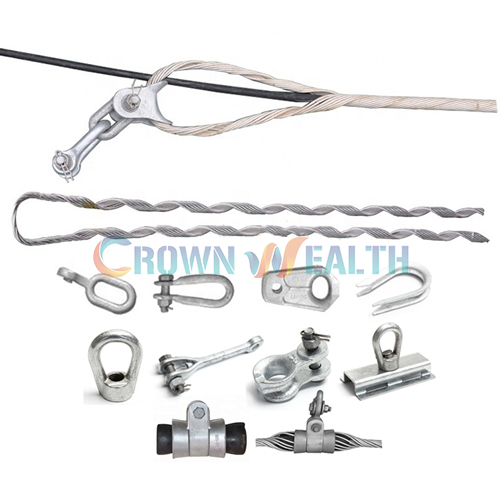
In addition to Double Yoke Plates, we also offer a wide range of related products, such as HDG Anchor Shackle, Aluminum Parallel Clamp, and QP Ball Eyes. These products are designed to work together seamlessly to provide comprehensive solutions for our customers' needs.
Contact Us for Your Double Yoke Plates Needs
If you are in the market for high - quality Double Yoke Plates or have any questions about their fatigue life, please do not hesitate to contact us. Our team of experts is ready to assist you with your inquiries and provide you with the best products and services. We look forward to the opportunity to work with you and help you achieve your project goals.
References
- Dowling, N. E. (1999). Mechanical Behavior of Materials: Engineering Methods for Deformation, Fracture, and Fatigue. Prentice Hall.
- Suresh, S. (1998). Fatigue of Materials. Cambridge University Press.