Hey there! As a supplier of ADSS Fastening Clamps, I often get asked a bunch of questions about these nifty little products. One question that pops up quite a bit is, "Is ADSS Fastening Clamp resistant to chemical substances?" Well, let's dig into this topic and find out.
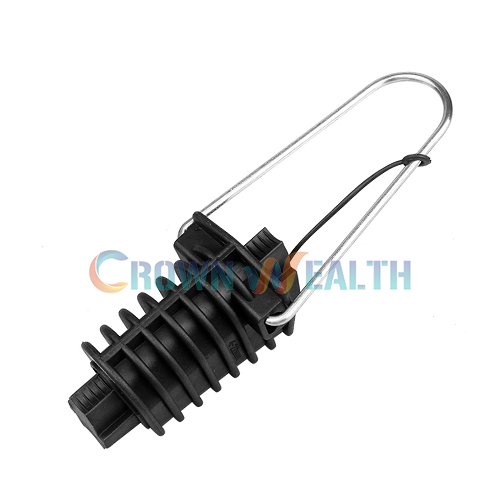
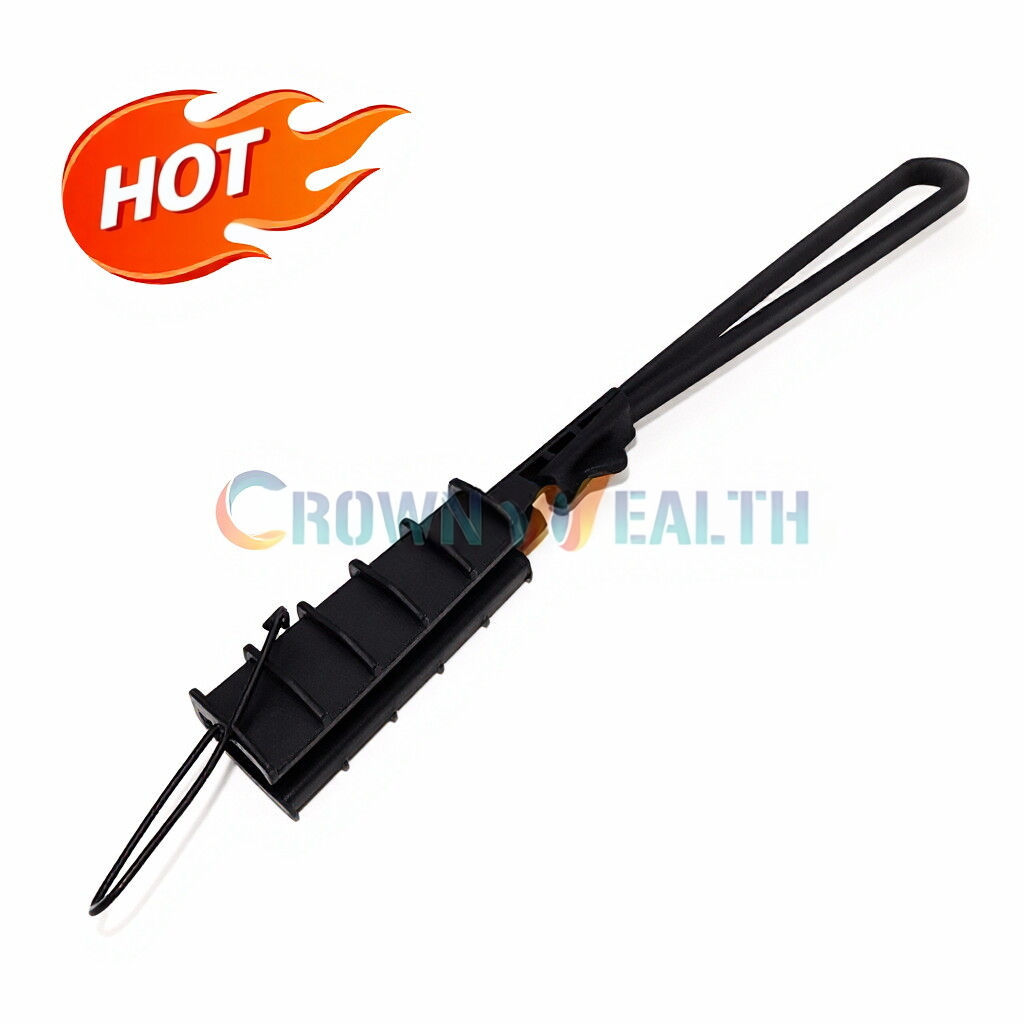
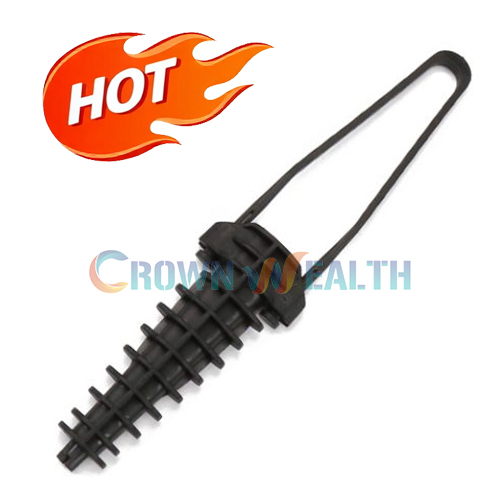
First off, let's understand what ADSS Fastening Clamps are. These clamps are used to secure All - Dielectric Self - Supporting (ADSS) fiber optic cables in place. They play a crucial role in the installation and maintenance of fiber optic networks, ensuring that the cables stay put and function properly.
Now, when it comes to chemical resistance, it's a pretty important factor. In real - world scenarios, these clamps can be exposed to all sorts of chemicals. For example, in industrial areas, they might come into contact with chemicals like acids, alkalis, and solvents. In coastal regions, they could be affected by saltwater, which is a form of a chemical mixture.
The materials used to make ADSS Fastening Clamps have a big say in their chemical resistance. Most of the time, these clamps are made from high - quality polymers or metals.
Let's start with polymers. Polymers are great because they can be engineered to have specific properties. Some polymers are inherently resistant to a wide range of chemicals. For instance, polyvinyl chloride (PVC) is known for its resistance to many acids, alkalis, and salts. It can withstand mild chemical environments without significant degradation. Another popular polymer is polyethylene (PE). PE has good chemical resistance, especially against non - polar solvents. It's also tough and durable, which is perfect for outdoor applications where the clamps need to last.
Metals are also used in making ADSS Fastening Clamps. Stainless steel is a common choice. Stainless steel has excellent corrosion resistance, which means it can resist the effects of many chemicals. It forms a thin, protective oxide layer on its surface that prevents further corrosion. This makes it suitable for use in harsh chemical environments, like in chemical plants or near the ocean where saltwater can cause corrosion.
However, it's important to note that no material is completely resistant to all chemicals. Even the most chemically resistant polymers and metals can be affected by certain substances under specific conditions. For example, strong oxidizing acids can attack stainless steel over time. And some solvents can dissolve or swell certain polymers.
So, how do we test the chemical resistance of ADSS Fastening Clamps? Manufacturers usually conduct a series of tests. One common test is the immersion test. In this test, samples of the clamps are immersed in different chemical solutions for a set period of time. Then, the samples are examined for any signs of damage, such as changes in color, shape, or mechanical properties.
Another test is the exposure test. In this test, the clamps are exposed to a controlled chemical environment, like a chemical vapor or mist, for a certain duration. This simulates real - world conditions where the clamps might be exposed to chemical fumes.
Let's talk about some of the specific types of ADSS Fastening Clamps and their chemical resistance.
The ADSS Down Lead Clamp is designed to secure the down - lead section of the ADSS cable. These clamps are often made from polymers or a combination of polymers and metals. If they are made from a chemically resistant polymer, they can handle a fair amount of chemical exposure. For example, if they are made from PVC, they can resist the effects of mild acids and alkalis commonly found in soil or water.
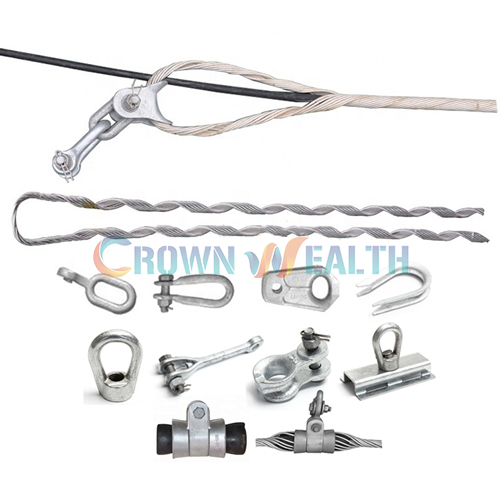
The Preformed Helical Tension Clamp is used to provide tension to the ADSS cable. These clamps are usually made from metals, like stainless steel. As we mentioned earlier, stainless steel has good chemical resistance, which means these clamps can be used in areas where there is a risk of chemical corrosion, such as near industrial facilities.
The Fastening Fixture is used to fasten the ADSS cable to various structures. Depending on the material it's made from, its chemical resistance can vary. If it's made from a high - performance polymer, it can offer good resistance to chemicals in normal outdoor environments.
When choosing ADSS Fastening Clamps for an installation, it's crucial to consider the chemical environment they will be exposed to. If the installation is in an area with high levels of chemical pollution, like a chemical factory or a sewage treatment plant, you'll want to choose clamps made from highly chemically resistant materials.
On the other hand, if the installation is in a relatively clean environment, like a residential area, you might not need to be as strict with the chemical resistance requirements.
It's also a good idea to consult with the manufacturer. They can provide detailed information about the chemical resistance of their products and help you choose the right clamps for your specific application.


In conclusion, ADSS Fastening Clamps can be resistant to chemical substances, but it depends on the materials they are made from and the specific chemicals they are exposed to. By choosing the right clamps and considering the chemical environment, you can ensure that your fiber optic network stays secure and functional for a long time.
If you're in the market for ADSS Fastening Clamps and want to discuss your specific needs, feel free to reach out. We're here to help you find the best solutions for your fiber optic cable installations.
References:
- Textbooks on polymer science and materials engineering
- Industry reports on fiber optic cable fittings
- Manufacturer's product specifications and technical data sheets