Hey there! As a supplier of Cable Storage Assemblies, I often get asked about the anti-static performance of our products. So, I thought I'd take a moment to share some insights on this topic.
First off, let's talk about what static electricity is and why it can be a problem for cable storage assemblies. Static electricity is the imbalance of electric charges within or on the surface of a material. When two materials come into contact and then separate, electrons can transfer from one material to the other, creating a static charge. This can happen when cables are being handled, coiled, or stored in a cable storage assembly.
The problem with static electricity is that it can cause a few issues. For one, it can attract dust and debris, which can accumulate on the cables and potentially affect their performance. Static charges can also generate electrical discharges, which might damage sensitive electronic components within the cables or connected devices. In some cases, these discharges can even lead to system malfunctions or data loss.
So, how do our cable storage assemblies perform when it comes to anti-static properties? Well, we've put a lot of effort into designing and manufacturing our products to minimize static buildup.
One of the key factors in our anti-static design is the materials we use. We carefully select materials that have low static-generating properties. For example, the housing of our cable storage assemblies is often made from a special type of plastic that has been treated to reduce static charge generation. This plastic is formulated to have a high resistance to the transfer of electrons, which means that less static electricity is created when cables are moved around inside the assembly.
Another aspect of our anti-static design is the internal structure of the cable storage assembly. We've designed the compartments and channels in a way that allows for smooth cable movement. This reduces the friction between the cables and the assembly, which is one of the main causes of static charge generation. When cables can move freely without excessive rubbing against the sides of the assembly, there's less opportunity for electrons to transfer and create a static charge.
We also pay attention to the surface finish of the internal components. A smooth surface finish helps to further reduce friction and static buildup. Rough surfaces can cause more friction, which in turn leads to more static charge generation. By ensuring that all the internal surfaces are as smooth as possible, we're able to minimize the risk of static electricity.
In addition to the design features, we also conduct regular testing on our cable storage assemblies to ensure their anti-static performance. We use specialized equipment to measure the static charge levels on the surface of the assemblies and within the cables. This allows us to identify any potential issues and make adjustments to our manufacturing processes if necessary.
Now, let's talk about some of the benefits of having a cable storage assembly with good anti-static performance. Firstly, it helps to keep your cables and connected devices clean. Since static electricity attracts dust and debris, a low-static environment means that there will be less dust accumulation on your cables. This can extend the lifespan of your cables and reduce the need for frequent cleaning.
Secondly, it improves the reliability of your systems. By minimizing the risk of electrical discharges, you're reducing the chances of system malfunctions and data loss. This is especially important in industries where data integrity and system uptime are critical, such as healthcare, finance, and telecommunications.
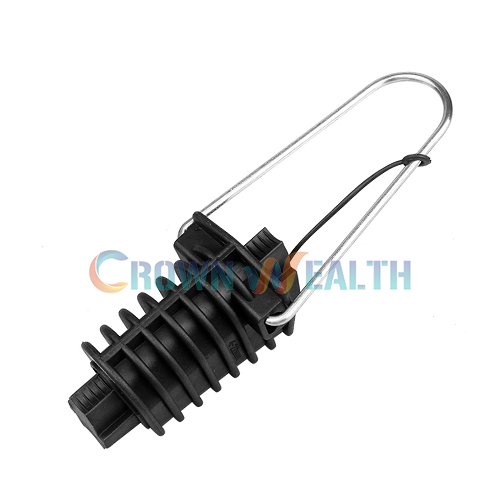
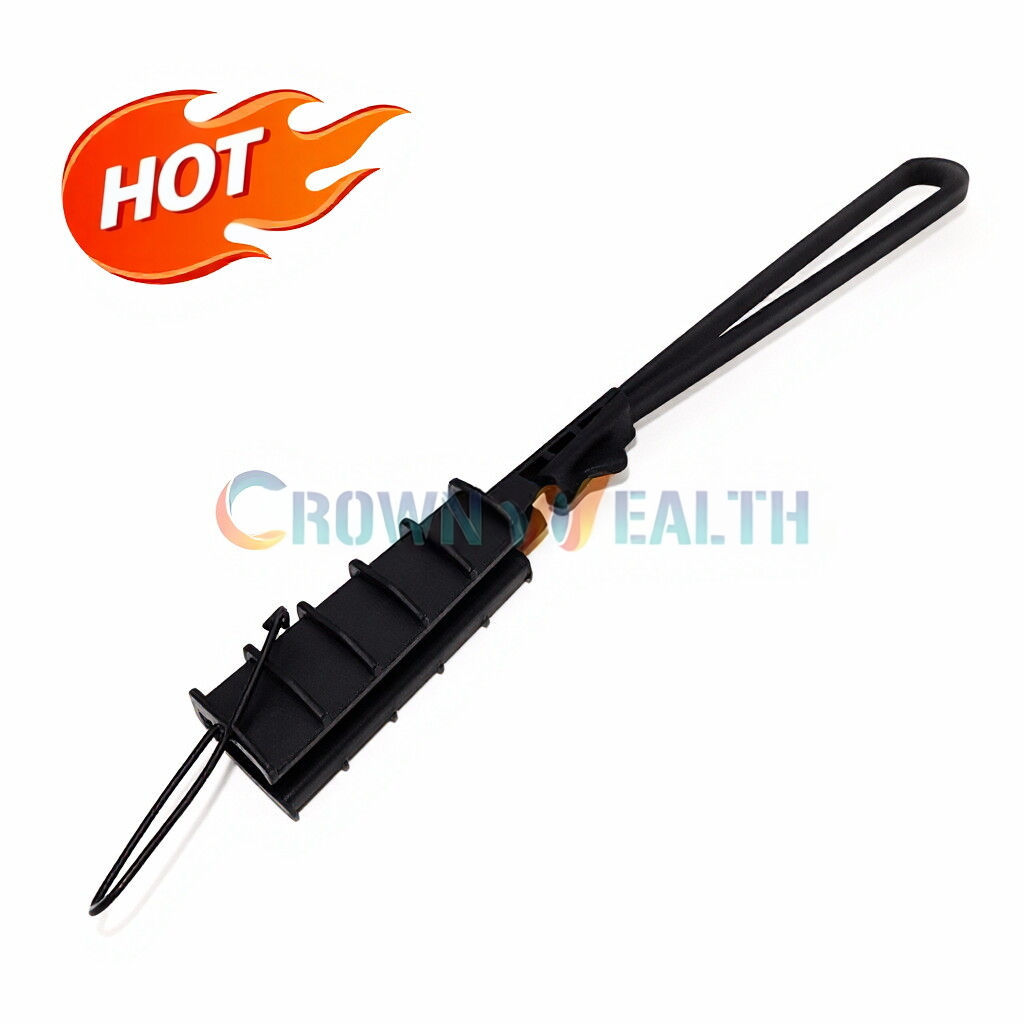
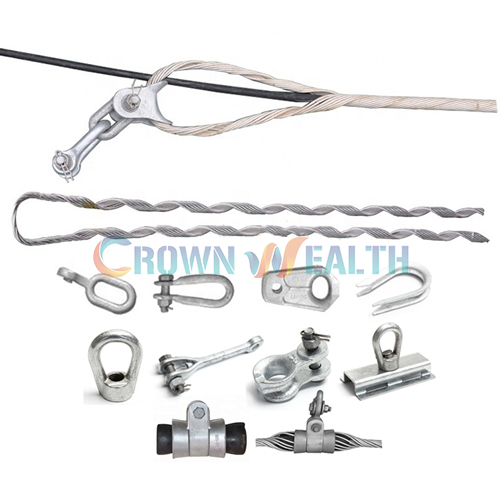
If you're in the market for cable storage assemblies, you might also be interested in some of our related products. For example, we offer a range of fiber optic cable fittings, including the OPGW Performed Suspension Clamp, the OPGW Performed Helical Suspension Clamp, and the OPGW Preformed Tension Clamp. These fittings are designed to work seamlessly with our cable storage assemblies and provide additional support and protection for your fiber optic cables.
If you're looking for high-quality cable storage assemblies with excellent anti-static performance, we'd love to hear from you. Whether you're a small business looking to organize your network cables or a large enterprise in need of a custom solution, we have the products and expertise to meet your needs. Don't hesitate to reach out to us for more information or to discuss your specific requirements. We're here to help you find the best cable storage solution for your situation.


References:
- "Static Electricity and Its Effects on Electronic Systems" - A technical report on the impact of static electricity in electronic environments.
- "Materials Science for Cable Design" - A study on the selection of materials for cable-related products.
- "Design Principles for Anti-Static Equipment" - Guidelines on designing products to minimize static charge generation.