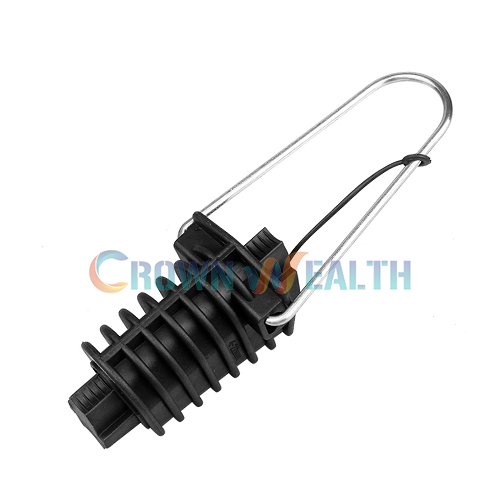
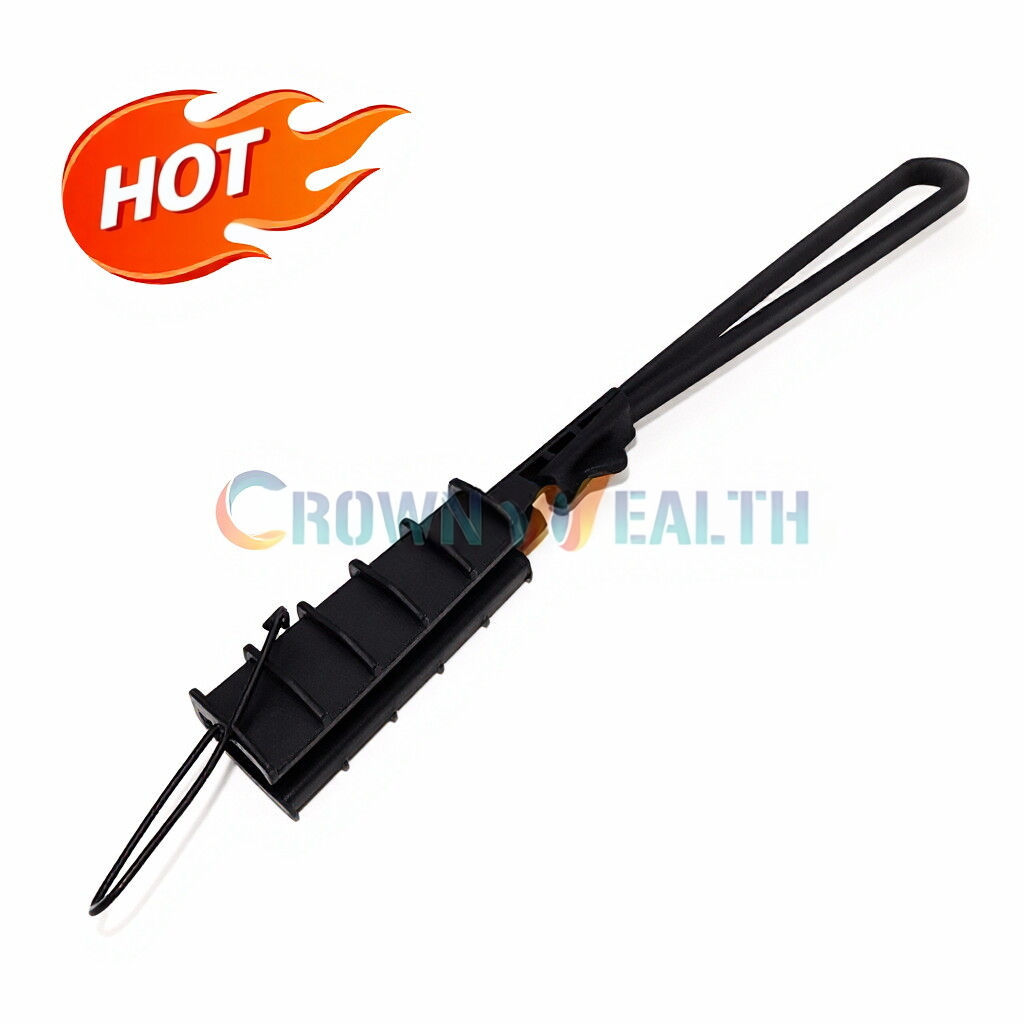
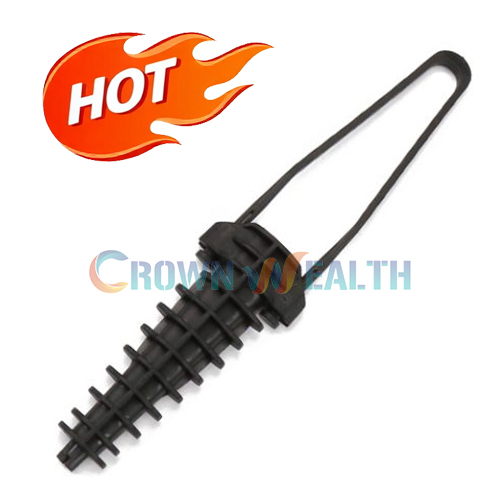
Hey there! As a supplier of Spiral Vibration Dampers, I often get asked about the differences between Spiral Vibration Dampers and rubber vibration dampers. So, I thought I'd put together this blog post to break it down for you.
How They Work
Let's start with how these two types of dampers work. Spiral Vibration Dampers are designed to absorb and dissipate energy through a unique spiral structure. When vibrations occur in a system, the spiral shape allows the damper to flex and twist, converting the kinetic energy of the vibration into heat energy. This heat is then dissipated into the surrounding environment, effectively reducing the amplitude of the vibrations.
On the other hand, rubber vibration dampers rely on the elastic properties of rubber. Rubber is a viscoelastic material, which means it can both store and dissipate energy. When a rubber damper is subjected to vibrations, the rubber deforms. As it deforms, it stores some of the energy and then releases it slowly over time. This process helps to reduce the intensity of the vibrations.
Performance in Different Environments
One of the key differences between these two types of dampers is their performance in different environments. Spiral Vibration Dampers are known for their durability and resistance to harsh conditions. They can withstand extreme temperatures, high humidity, and exposure to chemicals. This makes them a great choice for outdoor applications, such as power transmission lines, where they need to operate in all kinds of weather.
Rubber vibration dampers, however, are more sensitive to environmental factors. Extreme temperatures can affect the elasticity of the rubber, causing it to become brittle in cold weather or lose its shape in hot weather. High humidity can also lead to degradation of the rubber over time. So, while rubber dampers can work well in indoor or controlled environments, they may not be the best option for outdoor or harsh conditions.
Installation and Maintenance
Installation and maintenance are also important considerations when choosing between Spiral Vibration Dampers and rubber vibration dampers. Spiral Vibration Dampers are relatively easy to install. They can be simply wrapped around the object that needs vibration control, such as a cable or a pipe. And because of their robust design, they require very little maintenance. You don't have to worry about replacing parts or adjusting them frequently.
Rubber vibration dampers, on the other hand, may require more careful installation. They need to be properly aligned and secured to ensure optimal performance. And over time, the rubber may wear out or become damaged, which means you'll need to replace them periodically. This can add to the overall cost and hassle of using rubber dampers.


Cost
Cost is always a factor when making a purchasing decision. Spiral Vibration Dampers generally have a higher upfront cost compared to rubber vibration dampers. However, when you consider their long lifespan and low maintenance requirements, they can actually be more cost - effective in the long run. You won't have to keep buying new dampers or spending money on maintenance, which can save you a significant amount of money over time.
Rubber dampers are cheaper to buy initially, but the need for regular replacement and potential maintenance can increase the total cost of ownership. So, it's important to think about your budget in the long term when choosing between the two.
Applications
The applications of these two types of dampers also differ. Spiral Vibration Dampers are commonly used in power transmission and distribution systems. They help to reduce the vibrations in overhead power lines, which can prevent damage to the lines and improve their lifespan. You can also find them in industrial machinery, where they protect sensitive components from excessive vibrations. For example, in some large - scale manufacturing equipment, Spiral Vibration Dampers can keep the machinery running smoothly and reduce the risk of breakdowns.
Rubber vibration dampers are often used in automotive applications, such as engine mounts and suspension systems. They provide a soft and flexible cushioning effect, which helps to reduce noise and vibrations in the vehicle. They are also used in electronic devices to protect delicate components from shock and vibration.
Related Products
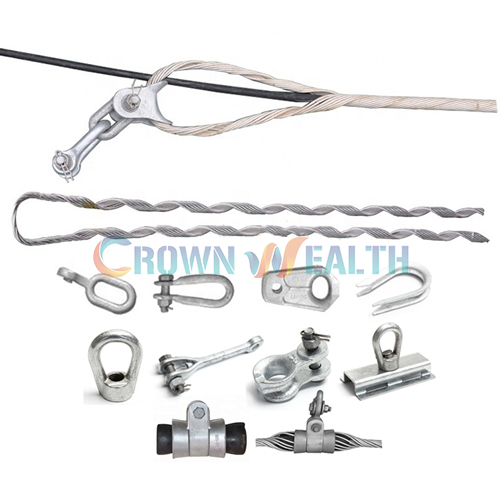
If you're in the market for other protective fittings related to power lines and cables, we also offer some great products. Check out our Preformed Armor Rods for Conductor Repair, which are designed to repair damaged conductors and enhance their strength. We also have Dead End Guy Grips that are used to secure cables at the end of a line. And for overhead line accessories, our Overhead Line Accessories Preformed Dead End Clamp Guy Grip for Cable is a great choice.
Conclusion
In conclusion, both Spiral Vibration Dampers and rubber vibration dampers have their own advantages and disadvantages. Spiral Vibration Dampers are more durable, better suited for harsh environments, easier to install and maintain, and can be more cost - effective in the long run. Rubber vibration dampers, on the other hand, are cheaper upfront and work well in indoor or automotive applications.
If you're looking for a reliable vibration control solution, especially for outdoor or industrial applications, Spiral Vibration Dampers might be the right choice for you. If you're interested in learning more about our Spiral Vibration Dampers or any of our other products, feel free to reach out to us for a purchase and negotiation. We're always happy to help you find the best solution for your needs.
References
- "Vibration Control Handbook" by some well - known author in the field of vibration engineering.
- Industry reports on the performance and applications of different types of vibration dampers.