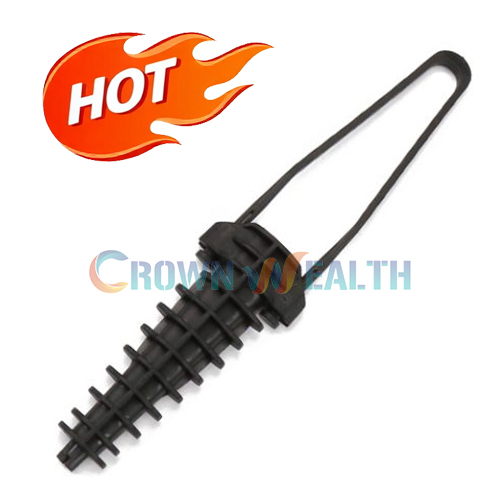
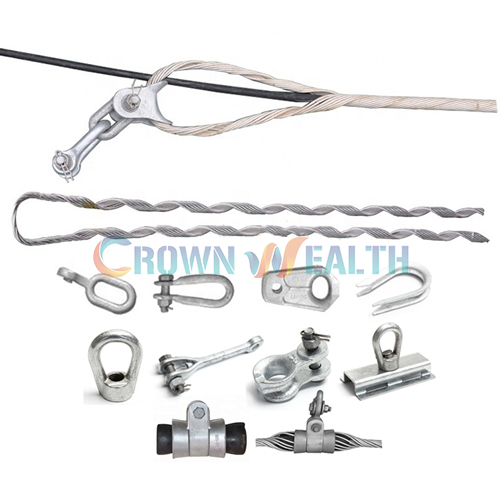
Hey there! I'm a supplier of Cable Storage Assembly, and today I wanna chat about the corrosion resistance of these nifty things.
First off, let's get a clear idea of what a Cable Storage Assembly is. It's a crucial component in the world of fiber - optic and overhead line systems. You can check out more details about it on this page: Cable Storage Assembly. This assembly is designed to store excess cable in a neat and organized way, ensuring that the cable is protected and ready for future use or adjustments.
Now, corrosion resistance is a big deal when it comes to Cable Storage Assemblies. Why? Well, these assemblies are often installed outdoors, exposed to all sorts of harsh environmental conditions. Rain, snow, humidity, and even industrial pollutants can take a toll on the materials of the assembly. If the assembly isn't corrosion - resistant, it can lead to a whole bunch of problems.
Corrosion can weaken the structural integrity of the Cable Storage Assembly. Over time, rust and other forms of corrosion can cause parts of the assembly to break down. This not only shortens the lifespan of the assembly but also poses a risk to the cable it's supposed to protect. A corroded assembly might not be able to hold the cable securely, leading to cable damage or even failure.
Let's talk about the materials used in Cable Storage Assemblies and how they contribute to corrosion resistance. One common material is stainless steel. Stainless steel is known for its excellent corrosion - resistant properties. It contains chromium, which forms a thin, protective oxide layer on the surface of the metal. This layer acts as a barrier, preventing oxygen and moisture from reaching the underlying metal and causing corrosion. When we use high - quality stainless steel in our Cable Storage Assemblies, we can be confident that they'll withstand the test of time, even in tough outdoor environments.
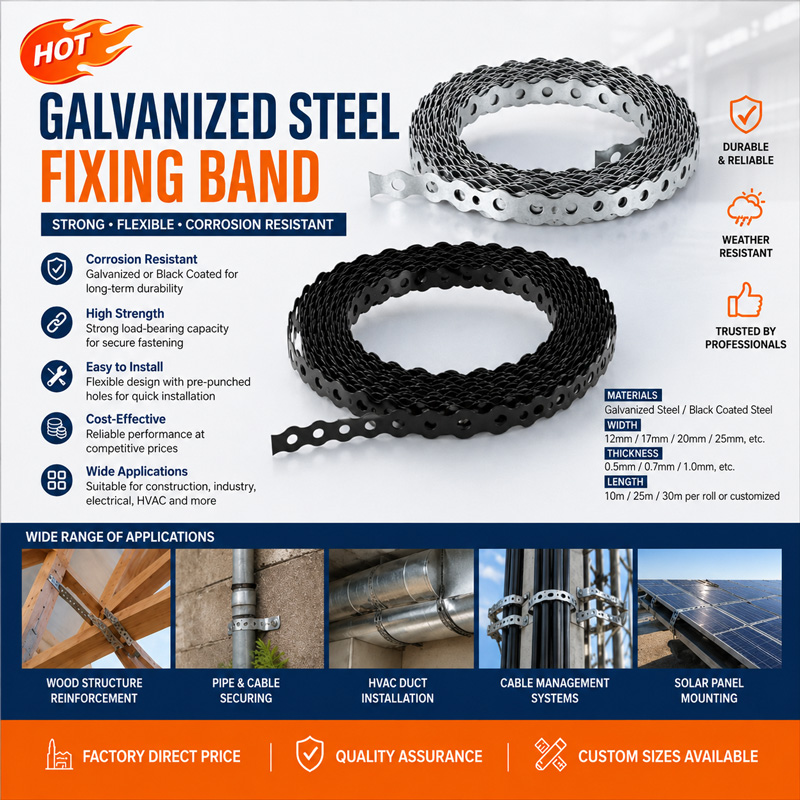
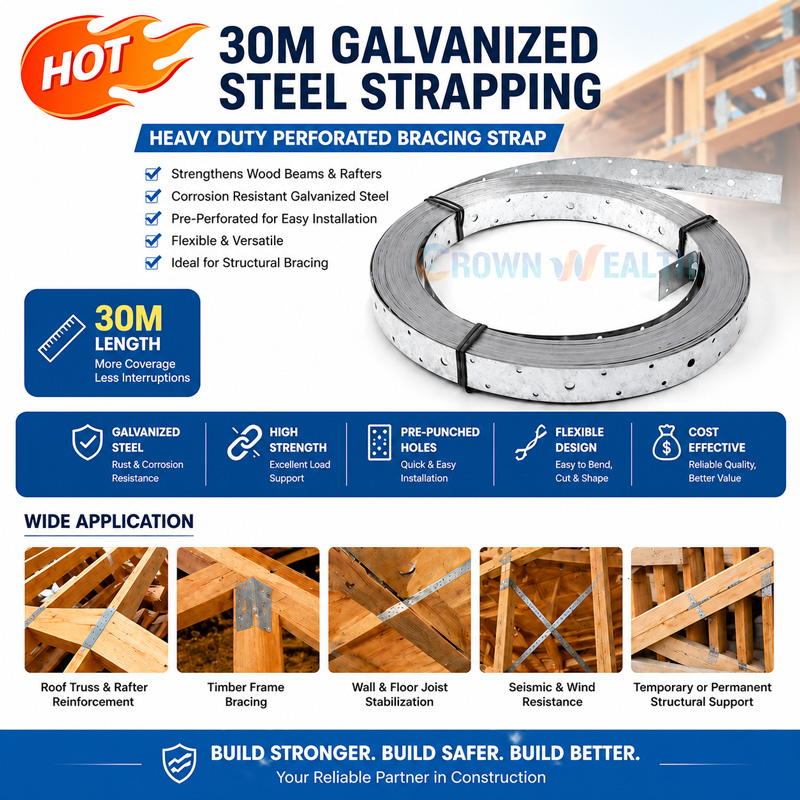
Another material that plays a role is galvanized steel. Galvanization is a process where a layer of zinc is applied to the steel. Zinc is more reactive than steel, so when the assembly is exposed to the elements, the zinc corrodes first, sacrificing itself to protect the steel. This sacrificial protection helps to extend the life of the assembly and keep it in good working condition.
Plastic components are also used in Cable Storage Assemblies. Certain types of plastics are highly resistant to corrosion. They don't rust like metal, and they can withstand exposure to chemicals and moisture. For example, polycarbonate plastics are tough and durable, making them a great choice for parts of the assembly that need to be lightweight and corrosion - resistant.
When it comes to the OPGW (Optical Ground Wire) Cable Storage, which is a specific type of cable storage, corrosion resistance is even more critical. You can learn more about it here: OPGW Cable Storage. OPGW cables are used in power transmission lines, and they carry both electrical power and optical signals. The Cable Storage Assembly for OPGW needs to be able to protect the cable from corrosion while also providing a stable environment for the optical fibers inside. Any corrosion in the assembly could lead to signal loss or interference, which is a major no - no in the power and communication industries.
In addition to the materials, the design of the Cable Storage Assembly also affects its corrosion resistance. We pay close attention to details like drainage. If water can accumulate in the assembly, it will increase the risk of corrosion. That's why our assemblies are designed with proper drainage holes and channels to ensure that water can flow out easily. Also, we use seals and gaskets to prevent moisture from getting inside the assembly and causing corrosion from the inside out.
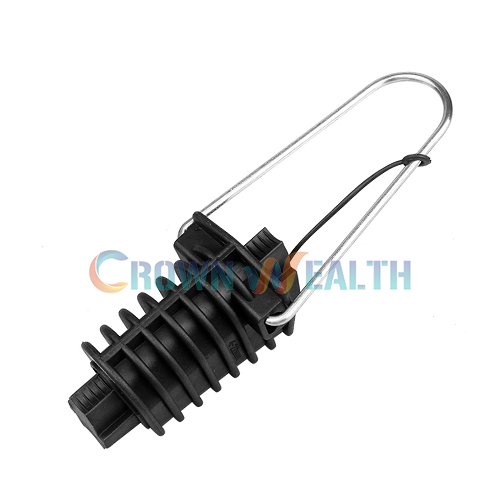
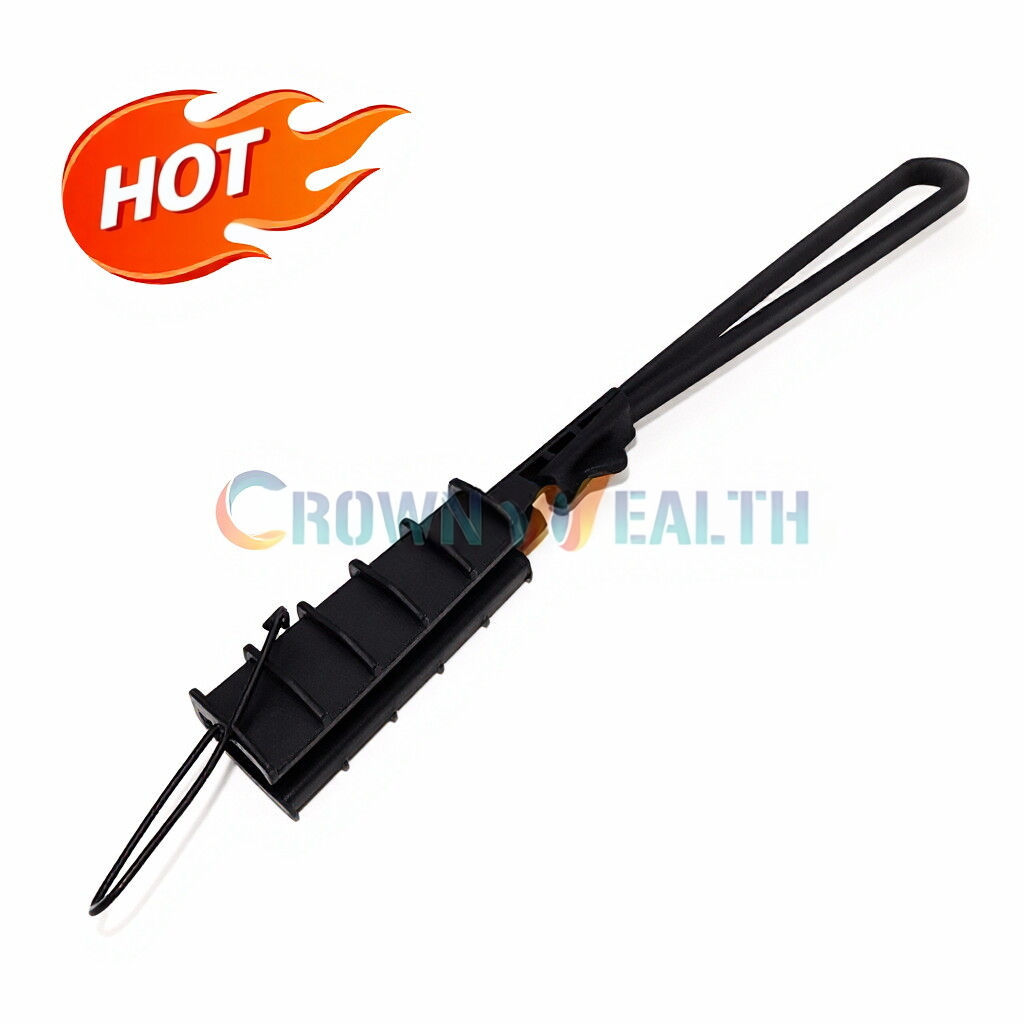
Let's not forget about the Tension Clamp for Overhead Line, which is often used in conjunction with the Cable Storage Assembly. You can find more information about it here: Tension Clamp for Overhead Line. These clamps need to be corrosion - resistant too. They are responsible for holding the cable in place under tension, and if they corrode, they might lose their grip on the cable. This could lead to the cable sagging or even coming loose, which is a safety hazard.
To test the corrosion resistance of our Cable Storage Assemblies, we conduct a series of rigorous tests. We expose the assemblies to salt spray, which simulates a harsh coastal environment. We also test them in humidity chambers to see how they perform in high - moisture conditions. These tests allow us to identify any potential issues with corrosion and make improvements to our products.


In the real world, our corrosion - resistant Cable Storage Assemblies have been put to the test. They've been installed in various locations around the world, from coastal areas with high salt content in the air to industrial regions with high levels of pollution. And so far, they've proven to be reliable and long - lasting.
If you're in the market for a high - quality, corrosion - resistant Cable Storage Assembly, you've come to the right place. We've got the expertise and the products to meet your needs. Whether you're working on a small - scale project or a large - scale power transmission network, our Cable Storage Assemblies will provide the protection and reliability you require.
So, if you're interested in learning more or making a purchase, don't hesitate to reach out. We're here to answer your questions and help you find the perfect Cable Storage Assembly for your project.
References
- "Corrosion Resistance of Metals and Alloys" - A comprehensive guide on the corrosion - resistant properties of different metals and alloys.
- "Design Considerations for Outdoor Electrical Equipment" - This book provides insights into the design factors that affect the corrosion resistance of equipment installed outdoors.
- "Fiber - Optic Cable Installation and Maintenance" - It covers the importance of protecting fiber - optic cables and the role of Cable Storage Assemblies in ensuring their longevity.