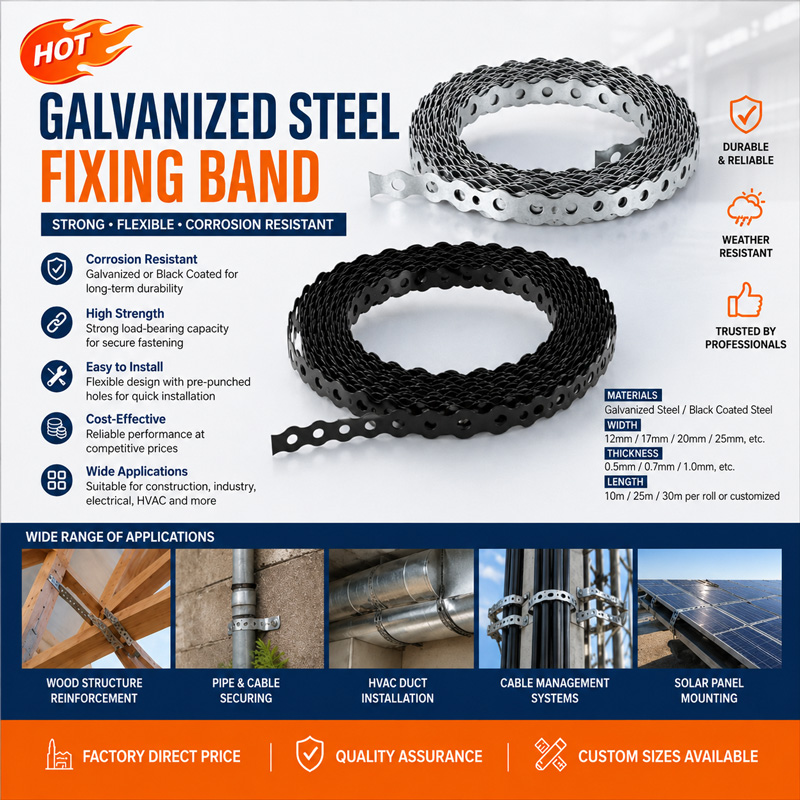
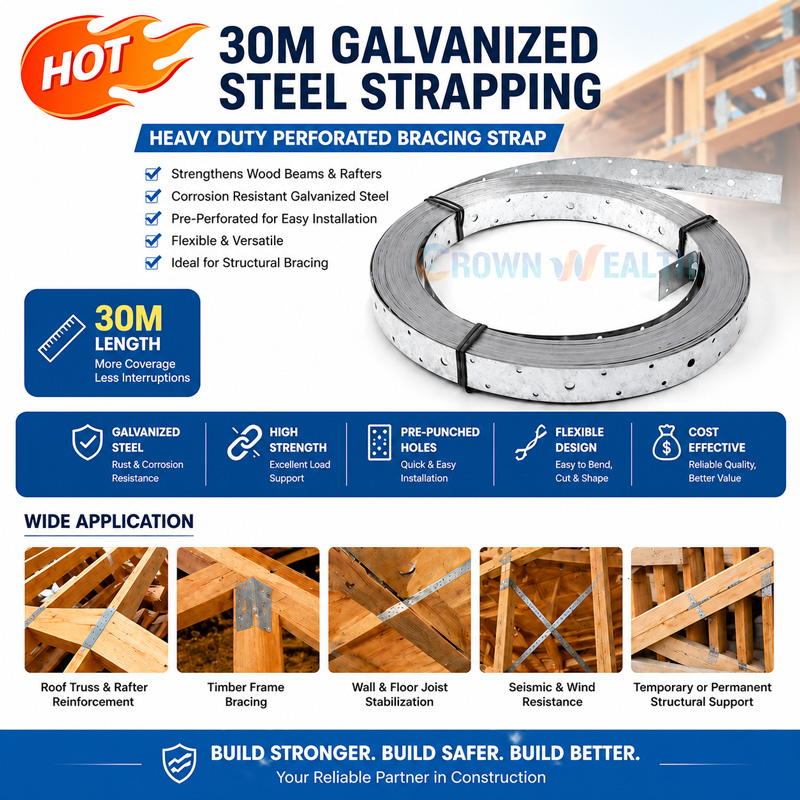
As a seasoned provider of fastening fixtures, I've witnessed firsthand the critical role these components play across various industries. One of the most challenging environments for fastening fixtures is extreme heat. High temperatures can significantly impact the performance and integrity of these fixtures, and understanding how they behave under such conditions is essential for ensuring the safety and reliability of any project.
Material Behavior in Extreme Heat
The performance of fastening fixtures in extreme heat is largely determined by the materials from which they are made. Metals are commonly used in fastening fixtures due to their strength and durability. However, different metals respond differently to high temperatures.
For instance, steel is a popular choice for many fastening applications. At elevated temperatures, steel begins to lose its strength. As the temperature rises, the steel's yield strength and ultimate tensile strength decrease. This loss of strength can lead to deformation or even failure of the fastening fixture. For example, a steel bolt used to secure a heavy - duty structure may start to stretch under load as the temperature increases, potentially causing the joint to loosen.
Aluminum is another material used in fastening fixtures. Aluminum has a relatively low melting point compared to steel. In extreme heat, aluminum can soften and lose its structural integrity more quickly. However, it also has good thermal conductivity, which can sometimes help in dissipating heat. This property can be an advantage in some applications where heat needs to be transferred away from the fastening point.
Thermal Expansion and Its Effects
Thermal expansion is a fundamental phenomenon that affects all materials when exposed to heat. When a fastening fixture is heated, it expands. If the expansion is not properly accounted for, it can lead to several problems.
In a joint where two or more parts are fastened together, differential thermal expansion can occur. Different materials may expand at different rates when heated. For example, if a steel bolt is used to fasten an aluminum component, the aluminum may expand more rapidly than the steel as the temperature rises. This can create additional stress on the bolt and the joint, potentially leading to loosening or even damage to the components.


To mitigate the effects of thermal expansion, engineers often design joints with allowances for expansion. This can involve using washers, springs, or other flexible components that can accommodate the changes in size without causing excessive stress on the fastening fixture.
Corrosion and Oxidation in Hot Environments
Extreme heat can accelerate corrosion and oxidation processes. In the presence of oxygen and moisture, metals can react chemically to form oxides and other corrosion products. In hot environments, these reactions can occur more rapidly.
Corrosion can weaken the fastening fixture over time. For example, rust on a steel bolt can reduce its cross - sectional area, which in turn reduces its strength. Oxidation can also cause the surface of the fixture to become rough, which can affect the fit and function of the joint.
To prevent corrosion in hot conditions, fastening fixtures can be coated with protective materials. Zinc plating is a common method for protecting steel fasteners. It forms a sacrificial layer that corrodes in place of the steel, providing a certain level of protection. Other coatings, such as epoxy or ceramic coatings, can also be used to create a barrier between the metal and the corrosive environment.
Case Studies of Fastening Fixtures in Extreme Heat
Let's take a look at some real - world examples of how fastening fixtures perform in extreme heat.
In the aerospace industry, engines operate at extremely high temperatures. Fastening fixtures used in engine components must be able to withstand these conditions without failing. For example, turbine blades are held in place by high - strength bolts. These bolts are made from special alloys that are designed to maintain their strength and integrity at high temperatures. The design of the bolts also takes into account thermal expansion and the need to resist corrosion.
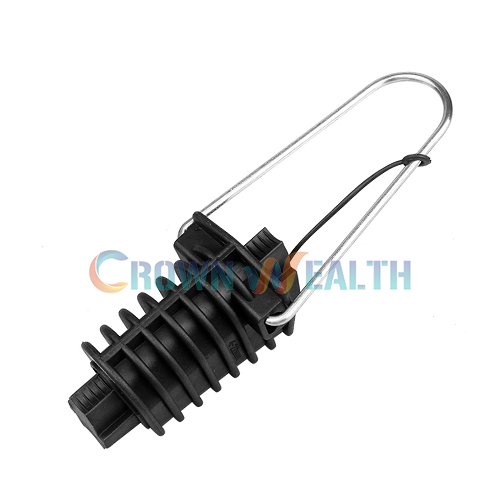
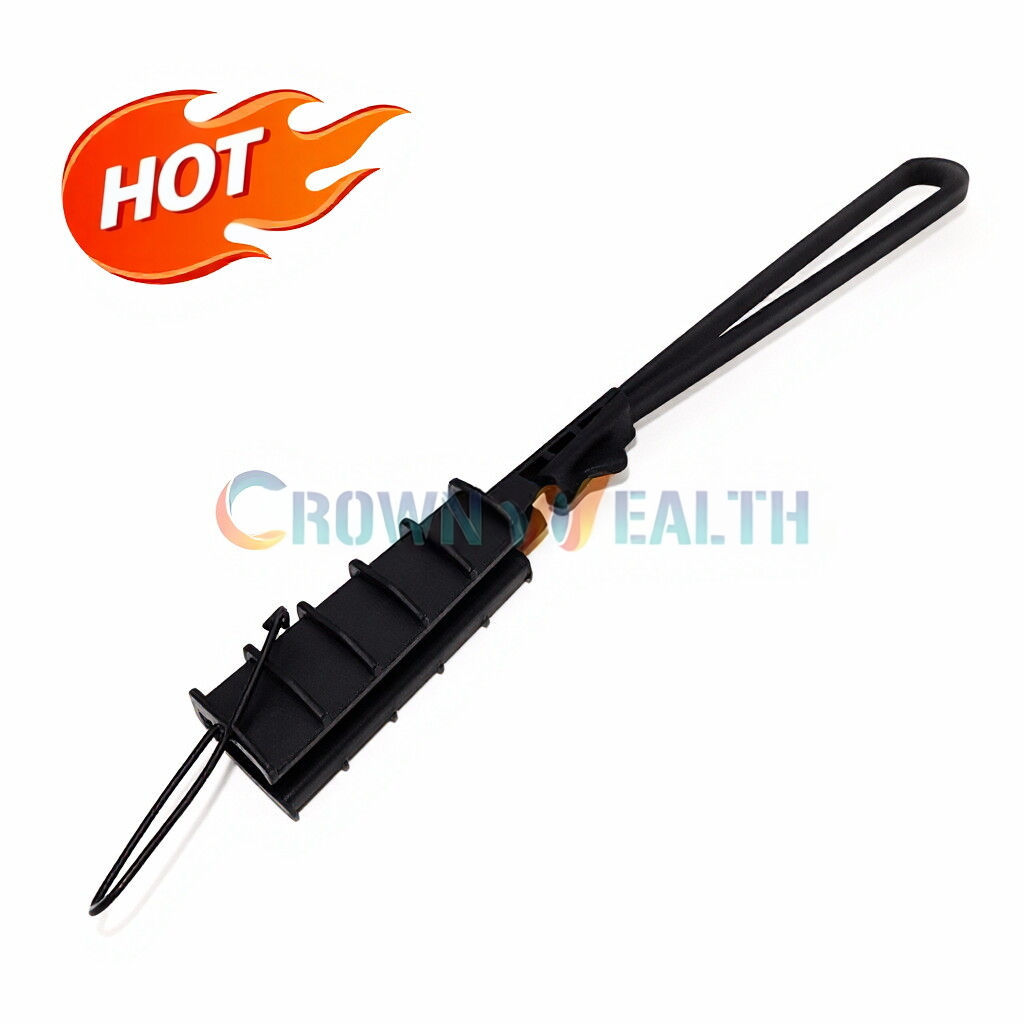
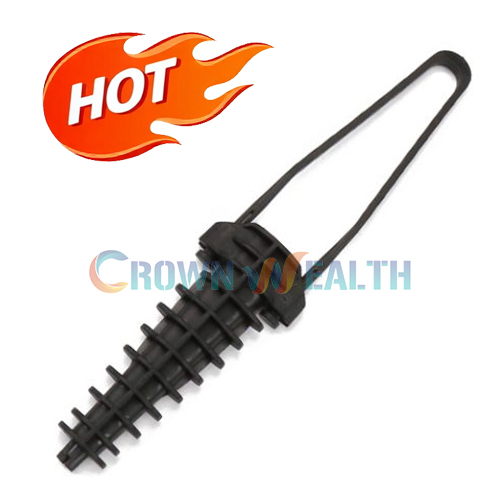
In the power generation industry, particularly in thermal power plants, boilers and other equipment operate at high temperatures. Fastening fixtures used in these applications must be able to handle the heat and the associated stresses. For example, ADSS Tension Clamp is used in some power transmission systems. These clamps are designed to maintain their grip on the cables even in hot environments, ensuring the stability of the power transmission network.
Our Solutions as a Fastening Fixture Supplier
As a fastening fixture supplier, we understand the challenges that our customers face in extreme heat environments. We offer a wide range of products that are specifically designed to perform well under high - temperature conditions.
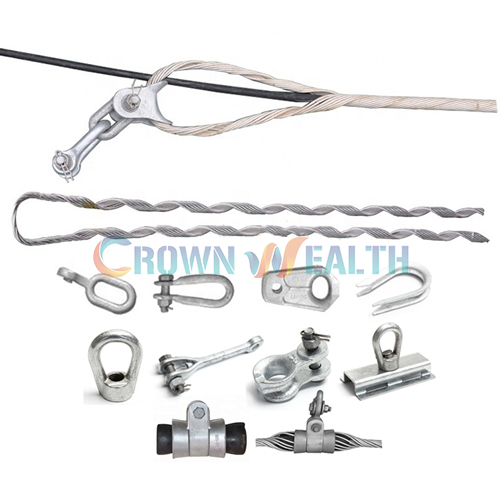
Our Preformed Double Suspension Clamp is made from high - quality materials that can withstand extreme heat. The preformed design ensures a secure fit and can accommodate thermal expansion. It is suitable for use in power transmission and other applications where reliability in hot environments is crucial.
Our Preformed Tension Clamp is another product that is engineered for extreme conditions. It is designed to provide high - strength tensioning in hot environments. The preformed shape helps to distribute the load evenly, reducing the risk of stress concentration and failure.
Conclusion and Call to Action
In conclusion, the performance of fastening fixtures in extreme hot conditions is a complex issue that involves material properties, thermal expansion, corrosion, and other factors. At our company, we are committed to providing high - quality fastening fixtures that can meet the challenges of these demanding environments.
If you are in need of fastening fixtures for applications in extreme heat, we invite you to contact us for a consultation. Our team of experts can help you select the right products for your specific needs and provide you with detailed technical support. We understand that every project is unique, and we are dedicated to finding the best solutions for our customers.
References
- "Materials Science and Engineering: An Introduction" by William D. Callister, Jr. and David G. Rethwisch
- "Mechanical Engineering Design" by Joseph E. Shigley, Charles R. Mischke, and Richard G. Budynas
- Industry reports on aerospace and power generation technologies