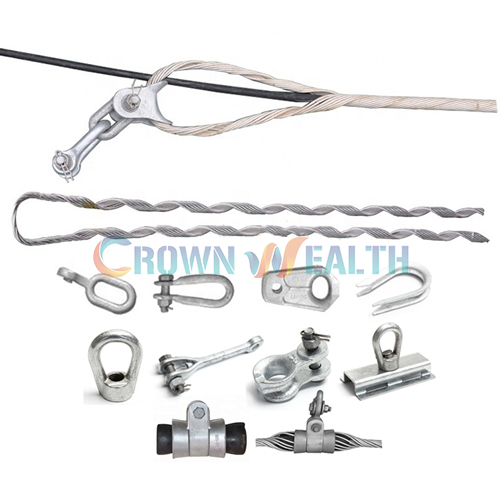
Armor rods are essential components in the power transmission and distribution industry, primarily used to protect cables from mechanical damage and vibration. One of the less - discussed yet important aspects of armor rods is their colorfastness. As a reliable armor rods supplier, I am often asked about the colorfastness of our products, and in this blog, I will delve into this topic in detail.
What is Colorfastness and Why Does It Matter?
Colorfastness refers to the ability of a material to retain its color when exposed to various environmental factors such as sunlight, moisture, heat, and chemicals. In the context of armor rods, good colorfastness is not just about aesthetics; it also serves as an indicator of the overall quality and durability of the product.
Aesthetically, consistent color throughout the lifespan of the armor rods ensures that the power lines have a uniform and professional appearance. This is particularly important in areas where the power infrastructure is visible to the public, such as urban areas or along highways.
From a practical perspective, color degradation can be a sign of material degradation. If an armor rod starts to lose its color, it may indicate that the outer layer of the rod is being compromised. This could potentially lead to a reduction in the rod's protective capabilities, leaving the cable vulnerable to damage from abrasion, corrosion, and environmental stressors.
Factors Affecting the Colorfastness of Armor Rods
1. Material Composition
The type of material used in the manufacturing of armor rods plays a crucial role in determining their colorfastness. Most armor rods are made from high - strength aluminum alloy or steel. Aluminum alloy armor rods are generally more resistant to corrosion, but their color can be affected by long - term exposure to sunlight. Steel armor rods, on the other hand, are more prone to rust if not properly coated, which can also lead to color changes.
2. Coating and Finishing
The coating applied to the armor rods is a key factor in maintaining colorfastness. A high - quality coating can act as a barrier between the rod and the environment, protecting it from UV rays, moisture, and chemical pollutants. For example, a powder - coated finish can provide excellent color retention and durability. The thickness and uniformity of the coating also matter. A thin or uneven coating may not provide sufficient protection, leading to premature color fading.
3. Environmental Conditions
The environment in which the armor rods are installed has a significant impact on their colorfastness. Areas with high levels of sunlight, such as deserts or tropical regions, can cause the color of the rods to fade more quickly due to the intense UV radiation. Similarly, regions with high humidity or frequent exposure to saltwater, such as coastal areas, can accelerate corrosion and color changes.
Our Armor Rods: Ensuring Good Colorfastness
As a supplier of armor rods, we take several measures to ensure that our products have excellent colorfastness.
1. High - Quality Materials
We source only the best - grade aluminum alloy and steel for our armor rods. Our aluminum alloy is carefully selected for its high strength and corrosion resistance, while our steel is pre - treated to prevent rust. This ensures that the base material of the armor rods is durable and less likely to undergo color - related degradation.
2. Advanced Coating Technology
We use state - of - the - art coating technology to apply a uniform and thick layer of powder coating to our armor rods. This powder coating is formulated to be highly resistant to UV rays, moisture, and chemicals. It provides a long - lasting color finish that can withstand the harshest environmental conditions.
3. Rigorous Testing
Before our armor rods are released to the market, they undergo a series of rigorous tests to evaluate their colorfastness. We expose the rods to simulated environmental conditions, including UV radiation, high humidity, and chemical exposure. By closely monitoring the color changes during these tests, we can ensure that our products meet the highest standards of color retention.
Comparing Our Armor Rods with Others in the Market
When comparing our armor rods with those available from other suppliers, our focus on colorfastness becomes even more evident. Some suppliers may cut corners by using lower - quality materials or inferior coating techniques to reduce costs. As a result, their armor rods may experience significant color fading within a few years of installation.
In contrast, our armor rods are designed to maintain their color for an extended period. This not only enhances the appearance of the power lines but also provides long - term protection for the cables, reducing the need for frequent replacements.


Other Related Products
In addition to our high - quality armor rods, we also offer a range of related products that are essential for power transmission and distribution systems. For example, you can check out our Preormed Armor, which provides additional protection for cables. Our Overhead Line Accessories Preformed Dead End Clamp Guy Grip for Cable is another important product that ensures the secure connection of cables. And if you are looking for a solution to reduce cable vibrations, our Square Spacer Damper is a great choice.
Conclusion
In conclusion, colorfastness is an important aspect of armor rods that should not be overlooked. Good colorfastness not only enhances the aesthetics of the power lines but also indicates the overall quality and durability of the product. As a trusted armor rods supplier, we are committed to providing products with excellent colorfastness through the use of high - quality materials, advanced coating technology, and rigorous testing.
If you are in the market for armor rods or any of our other related products, we invite you to contact us for a detailed discussion. Our team of experts can provide you with all the information you need and help you make the right choice for your power transmission and distribution needs.
References
- ASTM International. Standard Test Methods for Colorfastness of Textiles.
- ISO. International Standards for Coating and Finishing of Metal Products.
- Power Transmission and Distribution Handbook, various editions.