Hey there! As a supplier of Double Yoke Plates, I often get asked about the electrical conductivity of these nifty little components. So, I thought I'd sit down and write a blog post to shed some light on this topic.
First off, let's talk a bit about what Double Yoke Plates are. They're basically a type of fitting used in a variety of applications, especially in electrical and mechanical systems. They're designed to connect different parts together, providing a stable and reliable link. You'll often find them in power transmission lines, electrical substations, and even in some industrial machinery.
Now, onto the main question: what's the electrical conductivity of Double Yoke Plates? Well, it depends on a few factors. The material the plates are made from is the most important one. Most Double Yoke Plates are made from metals like steel, aluminum, or copper. Each of these metals has different electrical conductivity properties.
Let's start with steel. Steel is a common choice for Double Yoke Plates because it's strong and durable. However, when it comes to electrical conductivity, it's not the best. Steel has a relatively low electrical conductivity compared to other metals. This is because steel is an alloy, which means it's made up of a combination of iron and other elements. These additional elements can interfere with the flow of electrons, reducing the overall conductivity.
On the other hand, aluminum is a great conductor of electricity. It has a high electrical conductivity, which makes it a popular choice for electrical applications. Aluminum Double Yoke Plates are lightweight and corrosion-resistant, which are big advantages in many situations. They're often used in overhead power lines because they can handle the electrical load while being easy to install and maintain.
Copper is another excellent conductor of electricity. In fact, it's one of the best conductors out there. Copper Double Yoke Plates have very high electrical conductivity, which means they can transmit electricity with minimal loss. They're often used in high-performance electrical systems where efficiency is crucial. However, copper is also more expensive than steel and aluminum, so it might not be the most cost-effective option for every application.
Another factor that can affect the electrical conductivity of Double Yoke Plates is the surface finish. A smooth, clean surface will allow electrons to flow more easily than a rough or dirty surface. That's why it's important to keep the plates clean and free from corrosion. Some manufacturers apply a special coating to the plates to protect them from corrosion and improve their electrical performance.
In addition to the material and surface finish, the design of the Double Yoke Plates can also play a role in their electrical conductivity. Plates with a larger cross-sectional area will generally have a lower resistance and higher conductivity. This is because a larger area provides more space for the electrons to flow through. So, when choosing Double Yoke Plates, it's important to consider the size and shape of the plates to ensure they can handle the electrical load.
Now, let's talk about some of the applications where the electrical conductivity of Double Yoke Plates is important. One of the most common applications is in power transmission lines. These lines are responsible for carrying electricity from power plants to homes and businesses. Double Yoke Plates are used to connect the different components of the transmission line, such as the insulators and the conductors. A high electrical conductivity is essential in these applications to minimize the loss of electricity during transmission.
Another application is in electrical substations. Substations are used to transform the voltage of the electricity and distribute it to different areas. Double Yoke Plates are used in the substation equipment to connect the various electrical components. Here, a good electrical conductivity is necessary to ensure the efficient operation of the substation.


In industrial machinery, Double Yoke Plates are often used to connect electrical motors and other equipment. The electrical conductivity of the plates can affect the performance of the machinery. For example, if the plates have a high resistance, it can cause the motor to overheat and reduce its efficiency.
As a supplier of Double Yoke Plates, I understand the importance of providing high-quality products with good electrical conductivity. That's why we offer a wide range of Double Yoke Plates made from different materials to meet the needs of our customers. Whether you need steel, aluminum, or copper plates, we've got you covered.
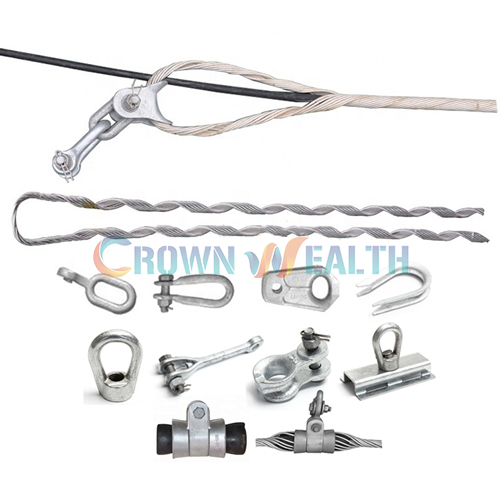
In addition to Double Yoke Plates, we also offer other related products such as HDG Extension Rod, HDG U Bolt, and QP Ball Eyes. These products are all designed to work together to provide a complete solution for your electrical and mechanical needs.
If you're in the market for Double Yoke Plates or any of our other products, I encourage you to get in touch with us. We'd be happy to discuss your requirements and help you find the right products for your application. Our team of experts has years of experience in the industry and can provide you with valuable advice and support.
In conclusion, the electrical conductivity of Double Yoke Plates is an important factor to consider when choosing these components. The material, surface finish, and design of the plates can all affect their conductivity. By understanding these factors and choosing the right plates for your application, you can ensure the efficient and reliable operation of your electrical and mechanical systems. So, don't hesitate to contact us if you have any questions or need help with your next project.
References
- Electrical Engineering Handbook, Third Edition, edited by Richard C. Dorf
- Materials Science and Engineering: An Introduction, Eighth Edition, by William D. Callister Jr. and David G. Rethwisch