As a supplier of Aluminum Joint Boxes, I've been frequently asked whether these boxes are easy to install. In this blog, I'll delve into the installation process of aluminum joint boxes, exploring the factors that influence their ease of installation and providing practical insights based on my industry experience.
Understanding Aluminum Joint Boxes
Aluminum joint boxes are widely used in electrical and telecommunications systems to protect and organize cable connections. They are known for their durability, corrosion resistance, and lightweight nature, making them a popular choice for both indoor and outdoor applications. The design of aluminum joint boxes typically includes a sturdy enclosure with access points for cables and a secure locking mechanism to prevent unauthorized access.
Factors Affecting the Ease of Installation
1. Design and Structure
The design of an aluminum joint box plays a crucial role in its installation process. A well - designed box will have clear markings for cable entry and exit points, as well as proper spacing for cable management. For example, some joint boxes are designed with modular compartments, which allow for easy separation of different types of cables. This modular design not only simplifies the installation but also makes future maintenance and upgrades more straightforward.
2. Compatibility with Cables
Another important factor is the compatibility of the joint box with the cables it will house. Aluminum joint boxes come in various sizes and configurations to accommodate different cable diameters and types. Ensuring that the box is the right size for the cables is essential for a smooth installation. If the box is too small, cables may be cramped, leading to potential damage and poor performance. On the other hand, if the box is too large, it may be difficult to secure the cables properly.
3. Mounting Options
Aluminum joint boxes offer different mounting options, such as wall - mounting, pole - mounting, or floor - mounting. The choice of mounting method depends on the specific application and the environment where the box will be installed. Wall - mounting is a common option for indoor installations, as it provides a stable and accessible location. Pole - mounting is often used for outdoor applications, such as in utility poles. The ease of mounting also depends on the availability of appropriate mounting hardware and the structural integrity of the mounting surface.


The Installation Process
Step 1: Preparation
Before starting the installation, it's important to gather all the necessary tools and materials. This includes the aluminum joint box, cables, cable ties, mounting hardware, and any other accessories. It's also crucial to carefully read the installation instructions provided by the manufacturer. Additionally, ensure that the installation area is clean, dry, and free from any obstructions.
Step 2: Mounting the Box
If the box is to be wall - mounted, mark the location on the wall where the box will be installed. Use a level to ensure that the markings are straight. Drill holes in the wall according to the mounting holes on the box and insert wall plugs. Then, attach the box to the wall using the appropriate screws. For pole - mounting, use the provided pole - mounting brackets and secure them tightly to the pole.
Step 3: Cable Installation
Once the box is mounted, carefully route the cables through the cable entry points. Use cable ties to secure the cables and prevent them from moving around inside the box. Make sure to leave enough slack in the cables for future adjustments. If there are multiple types of cables, separate them using the modular compartments or dividers inside the box.
Step 4: Connection and Sealing
After the cables are in place, make the necessary connections according to the electrical or telecommunications requirements. This may involve using connectors, terminals, or splicing techniques. Once the connections are made, seal the box to protect the cables from dust, moisture, and other environmental factors. Many aluminum joint boxes come with gaskets or seals that provide a tight seal when the box is closed.
Real - World Examples and User Experiences
In my years as a supplier, I've received feedback from many customers about their experiences with installing aluminum joint boxes. One customer, who was installing a joint box for a small - scale residential electrical system, found the installation process to be relatively easy. The clear markings on the box and the modular design made it simple to route and connect the cables. Another customer, working on a large - scale telecommunications project, also reported a smooth installation. They appreciated the variety of mounting options available, which allowed them to choose the most suitable method for their poles and equipment.
Related Products
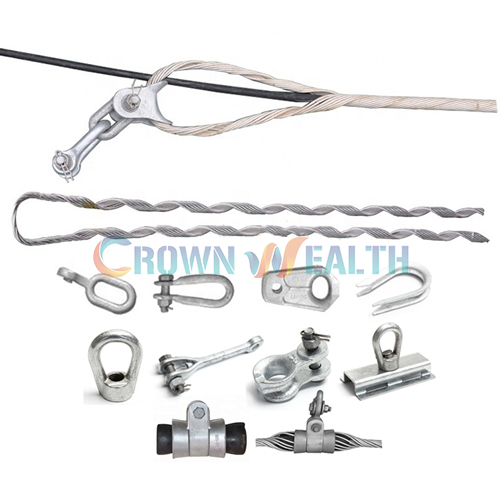
In addition to aluminum joint boxes, we also offer a range of related products that can enhance the performance and installation process. For example, our Preformed Double Suspension is a high - quality fitting that can be used in conjunction with fiber - optic cables. It provides reliable support and helps to ensure the stability of the cable installation. Our OPGW Performed Suspension Clamp and OPGW Performed Helical Suspension Clamp are also excellent choices for OPGW (Optical Power Ground Wire) applications, offering secure and easy - to - install solutions.
Conclusion
In general, aluminum joint boxes are relatively easy to install, especially when the design is well - thought - out and the installation process is carried out correctly. By considering factors such as design, cable compatibility, and mounting options, users can ensure a smooth and successful installation. Whether you're a professional installer or a DIY enthusiast, aluminum joint boxes offer a practical and reliable solution for cable management.
If you're interested in purchasing aluminum joint boxes or any of our related products, we'd love to have a discussion with you. Our team of experts can provide you with detailed information, answer your questions, and help you find the best products for your specific needs. Contact us to start the procurement negotiation process.
References
- Electrical Installation Handbook
- Telecommunications Cable Installation Guide