When it comes to watches, we often focus on their style, brand, and functionality. However, an important aspect that is sometimes overlooked is the use of protective fittings. As a protective fitting supplier, I've been asked numerous times whether protective fittings can be used on watches. In this blog post, I'll explore this question in detail, looking at the types of protective fittings, their benefits, and considerations when using them on watches.
Types of Protective Fittings
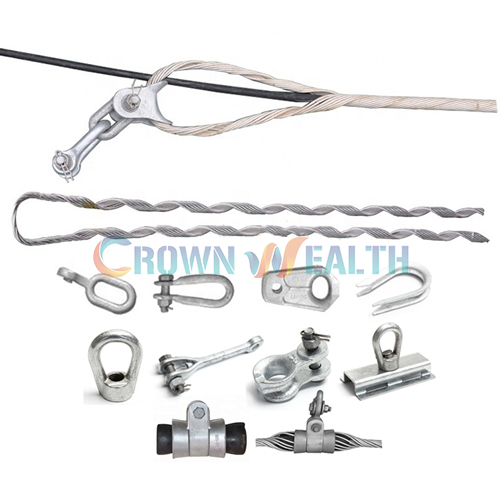
Protective fittings come in various forms, each designed to serve a specific purpose. Some of the common types include Preformed Dead End Guy Grips, Square Spacer Dampers, and Preformed Armor Rods. While these are typically used in other industries such as electrical and construction, their protective properties can also be applied to watches in certain ways.


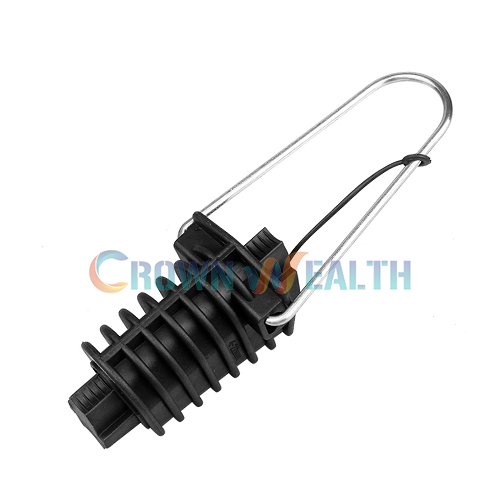
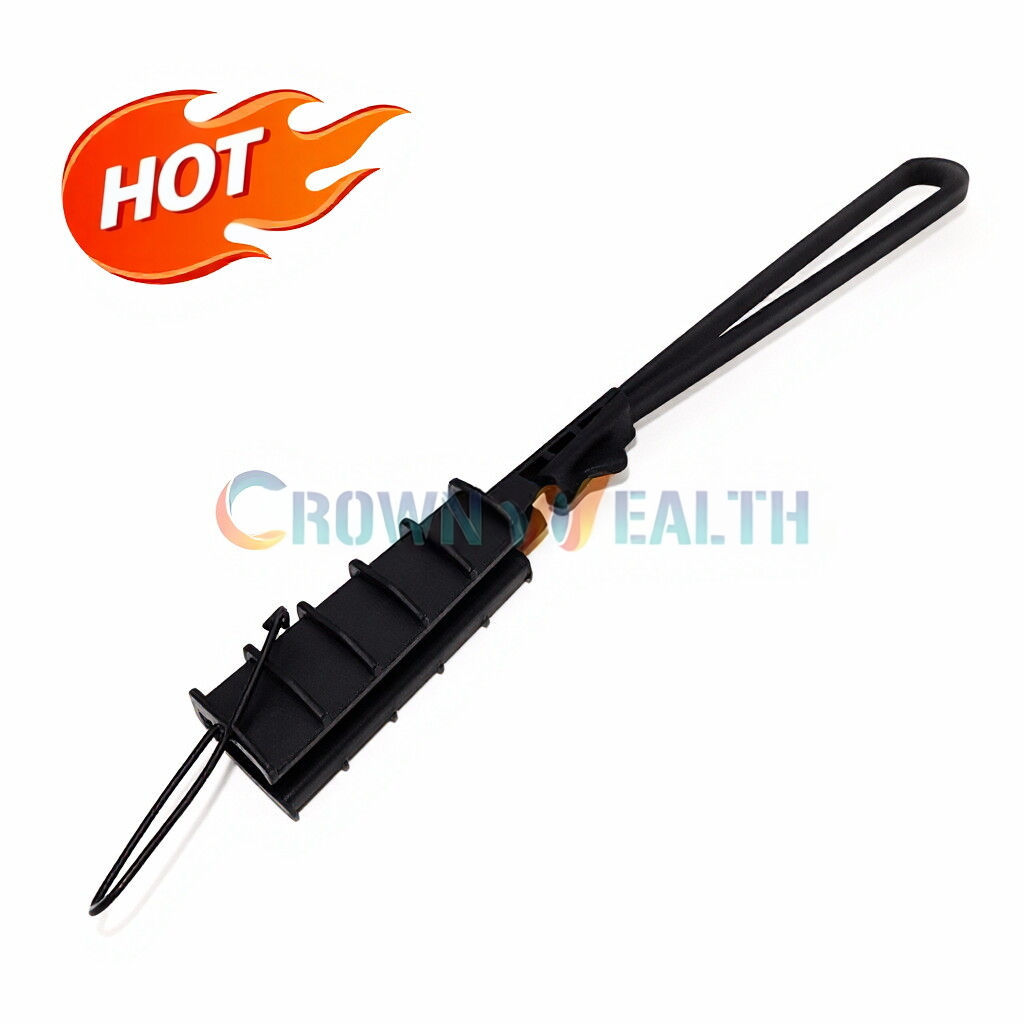
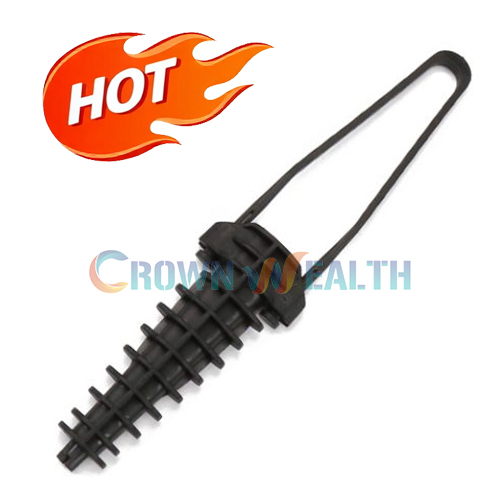
- Preformed Dead End Guy Grips: These fittings are designed to provide a secure connection and support in electrical systems. In the context of watches, they can be adapted to protect the watchband or the connection points between the band and the watch case. Preformed Dead End Guy Grips are made of high - strength materials that can withstand tension and prevent the band from breaking or detaching.
- Square Spacer Dampers: Square Spacer Dampers are used to reduce vibrations and prevent damage caused by mechanical stress in power lines. For watches, they can be used to dampen the impact of shocks and vibrations. When a watch is accidentally dropped or bumped, these dampers can absorb the energy and protect the delicate internal components. Check out Square Spacer Damper for more information on their properties.
- Preformed Armor Rods: Preformed Armor Rods are used to protect cables from abrasion and mechanical damage. On watches, they can be used to reinforce the watch case or the crystal. The armor rods can act as a shield, preventing scratches and cracks from occurring on the surface of the watch. Preformed Armor Rods are made of durable materials that can enhance the overall durability of the watch.
Benefits of Using Protective Fittings on Watches
Using protective fittings on watches offers several significant benefits:
- Enhanced Durability: One of the primary advantages is that it increases the watch's lifespan. By protecting the watch from scratches, impacts, and vibrations, the internal components are less likely to be damaged. This means that the watch can maintain its functionality for a longer period, reducing the need for frequent repairs or replacements.
- Aesthetic Preservation: Protective fittings can also help preserve the watch's appearance. Scratches and dents can significantly reduce the aesthetic value of a watch. With the use of protective fittings, the watch can retain its original look, whether it's a classic timepiece or a modern smartwatch.
- Cost - Effectiveness: In the long run, using protective fittings can be cost - effective. The cost of purchasing and installing protective fittings is often much lower than the cost of repairing or replacing a damaged watch. It is a small investment that can save you a significant amount of money in the future.
Considerations When Using Protective Fittings on Watches
While there are many benefits to using protective fittings on watches, there are also some considerations to keep in mind:
- Compatibility: Not all protective fittings are suitable for every watch. The size, shape, and design of the watch need to be taken into account. For example, a large - sized protective fitting may not fit properly on a small - faced watch, and it could also affect the watch's comfort and wearability.
- Installation: Proper installation is crucial. Incorrect installation can not only fail to provide the intended protection but may also cause damage to the watch. It is recommended to have the protective fittings installed by a professional who has experience with watch modifications.
- Aesthetic Impact: Some protective fittings may change the appearance of the watch. While this may not be a problem for some people, others may prefer the watch to maintain its original look. It is important to choose protective fittings that complement the watch's design rather than detract from it.
Case Studies
To illustrate the effectiveness of using protective fittings on watches, let's look at a few case studies:
- Case 1: A Luxury Watch: A customer had a high - end luxury watch that was prone to scratches due to his active lifestyle. After installing Preformed Armor Rods around the watch case, the watch remained scratch - free even after several months of use. The customer was very satisfied with the result, as the watch still looked brand new.
- Case 2: A Sports Watch: A sports enthusiast had a sports watch that often suffered from impacts during his workouts. By adding Square Spacer Dampers to the watch, the internal components were protected from the shocks caused by sudden movements. The watch continued to function accurately, and the customer no longer had to worry about damage from vibrations.
Conclusion
In conclusion, protective fittings can indeed be used on watches, and they offer many benefits in terms of durability, aesthetic preservation, and cost - effectiveness. However, it is important to carefully consider the compatibility, installation, and aesthetic impact. As a protective fitting supplier, I am committed to providing high - quality protective fittings that are suitable for a wide range of watches.
If you are interested in enhancing the protection of your watch with our protective fittings, I encourage you to reach out to discuss your specific needs. We can work together to find the best solution for your watch, ensuring that it remains in excellent condition for years to come.
References
- "Handbook of Watchmaking and Repair"
- "Materials Science for Protective Fittings"
- Industry reports on the use of protective fittings in various applications.