Hey there! As a supplier of Fastening Fixtures, I've seen firsthand how crucial it is to test the performance of these fixtures. In this blog post, I'll share some tips on how to test the performance of a fastening fixture, based on my experience in the industry.
First off, let's talk about what a fastening fixture is. A fastening fixture is a device used to hold two or more objects together. They're used in a wide range of industries, from construction to manufacturing. Whether you're working on a small DIY project or a large-scale industrial application, having a reliable fastening fixture is essential.
So, how do you test the performance of a fastening fixture? Well, there are several key factors to consider. Let's break them down one by one.
Load Capacity Testing
One of the most important aspects of testing a fastening fixture is to determine its load capacity. This refers to the maximum amount of weight or force that the fixture can safely handle without failing. To test the load capacity, you'll need to use a load testing machine.
Here's how it works: First, you'll need to secure the fastening fixture to the load testing machine. Then, gradually apply a load to the fixture until it reaches its maximum capacity. It's important to monitor the fixture closely during this process to look for any signs of deformation or failure.
If the fixture can withstand the maximum load without any issues, then it passes the load capacity test. However, if it shows signs of deformation or fails under the load, then it's not suitable for use.
Corrosion Resistance Testing
Another important factor to consider when testing a fastening fixture is its corrosion resistance. Fastening fixtures are often exposed to harsh environments, such as moisture, chemicals, and saltwater. Over time, these elements can cause the fixture to corrode, which can weaken its structure and reduce its performance.
To test the corrosion resistance of a fastening fixture, you can use a salt spray test. In this test, the fixture is placed in a chamber and exposed to a saltwater mist for a specified period of time. After the test, the fixture is inspected for any signs of corrosion.
If the fixture shows minimal signs of corrosion, then it has good corrosion resistance. However, if it shows significant corrosion, then it may not be suitable for use in corrosive environments.
Fatigue Testing
In addition to load capacity and corrosion resistance, it's also important to test the fatigue resistance of a fastening fixture. Fatigue refers to the gradual weakening of a material due to repeated loading and unloading. Fastening fixtures are often subjected to cyclic loads, such as vibrations and shocks, which can cause them to fatigue over time.
To test the fatigue resistance of a fastening fixture, you can use a fatigue testing machine. This machine applies a cyclic load to the fixture at a specified frequency and amplitude. The test is continued until the fixture fails or reaches a predetermined number of cycles.


If the fixture can withstand the cyclic load for the specified number of cycles without failing, then it has good fatigue resistance. However, if it fails before reaching the predetermined number of cycles, then it may not be suitable for use in applications where it will be subjected to cyclic loads.
Installation Testing
Finally, it's important to test the installation process of a fastening fixture. A good fastening fixture should be easy to install and should provide a secure connection. To test the installation process, you can follow the manufacturer's instructions and install the fixture on a test piece.
During the installation process, pay attention to how easy it is to align the fixture, insert the fasteners, and tighten them. You should also check to make sure that the fixture provides a secure connection and doesn't move or loosen after installation.
If the installation process is straightforward and the fixture provides a secure connection, then it passes the installation test. However, if the installation process is difficult or the fixture doesn't provide a secure connection, then it may not be suitable for use.
Real-World Examples
Let's take a look at some real-world examples of fastening fixtures and how they can be tested.
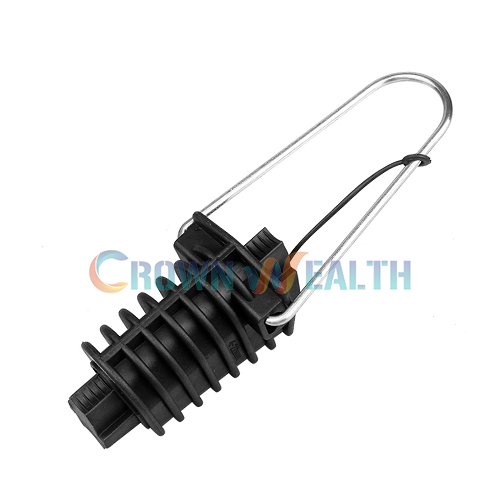
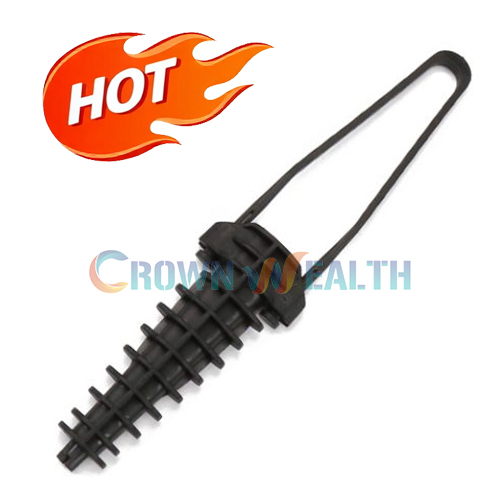
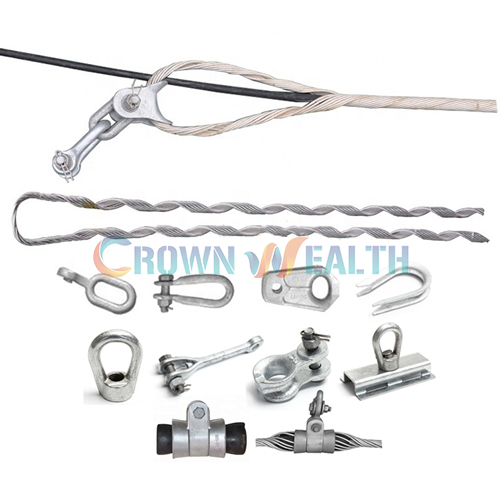
- Double Suspension Clamp: This type of clamp is used to suspend fiber optic cables. To test its performance, you can perform load capacity testing to ensure that it can support the weight of the cable. You can also perform corrosion resistance testing to make sure that it can withstand the environmental conditions where it will be installed.
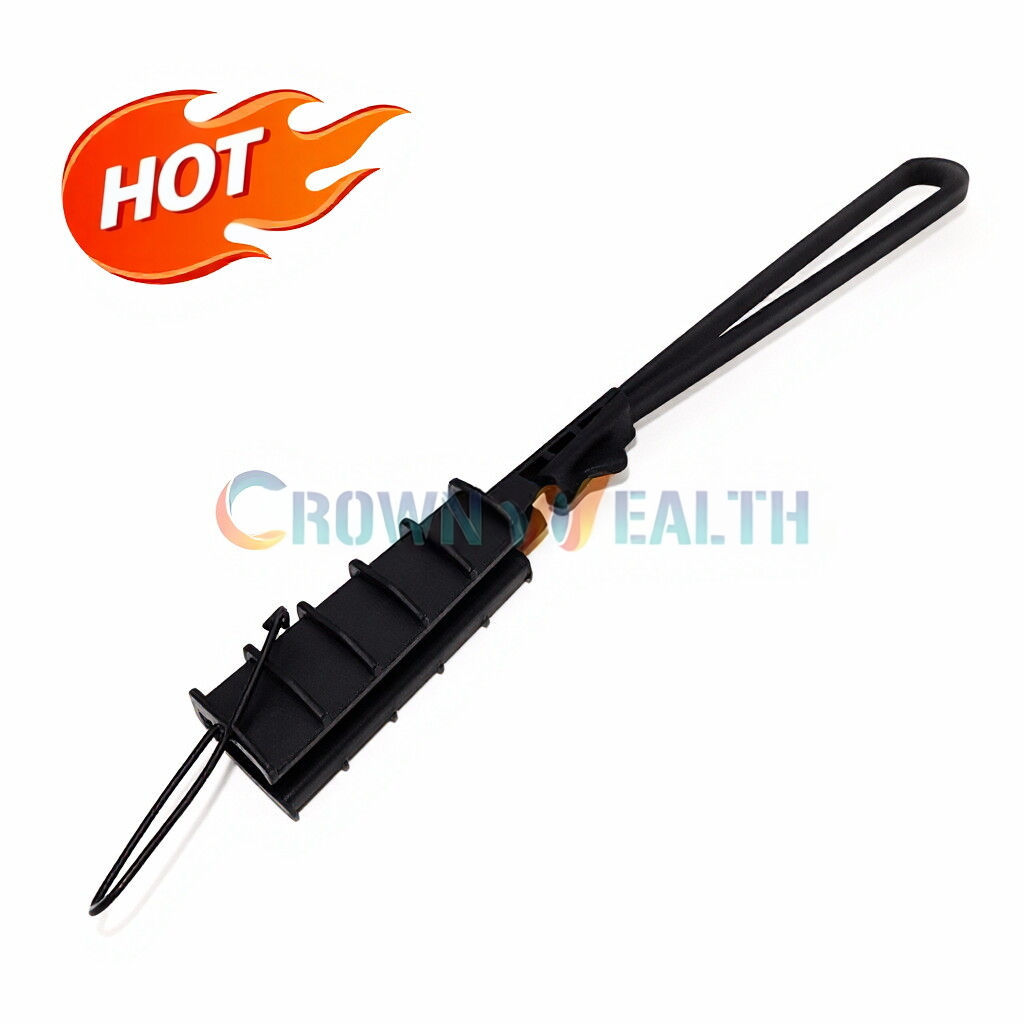
- Hot Dip Galvanized Strain Clamp: This clamp is used to provide strain relief for fiber optic cables. To test its performance, you can perform load capacity testing, corrosion resistance testing, and fatigue testing. You can also test the installation process to make sure that it's easy to install and provides a secure connection.
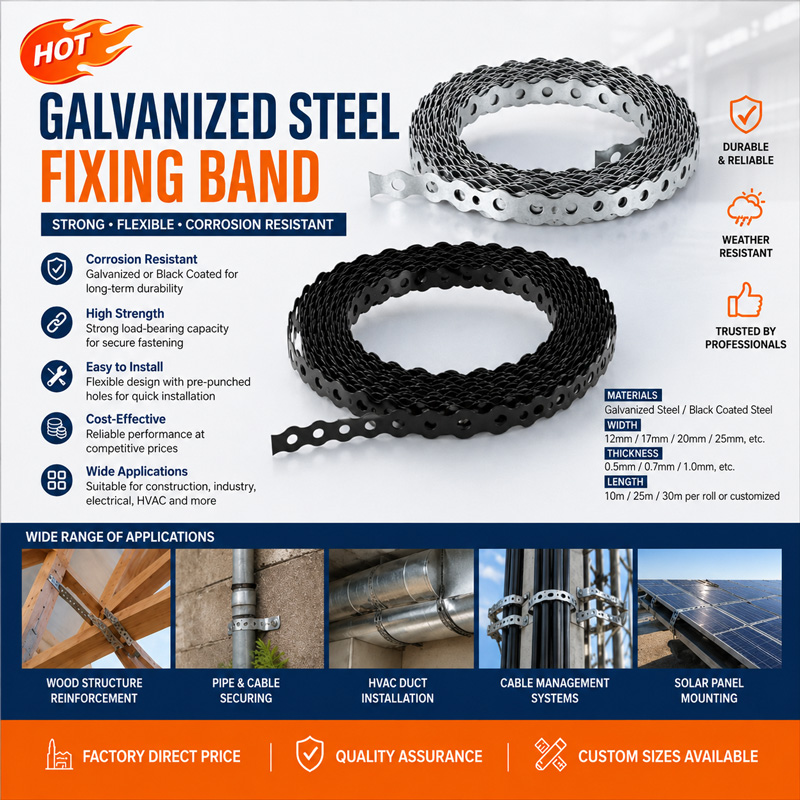
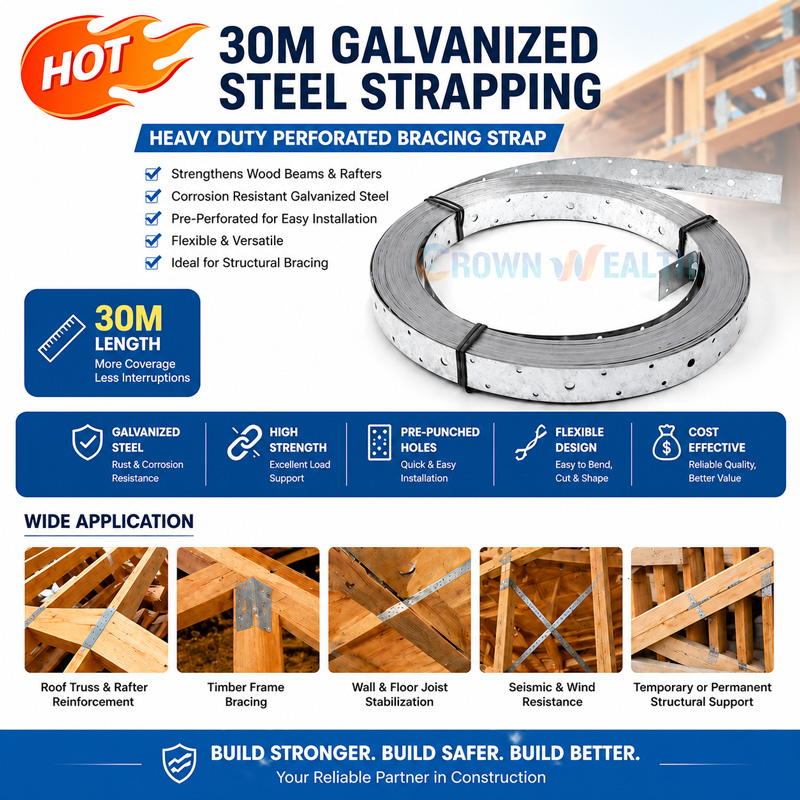
- Fastening Fixture: This is a general term for a wide range of fixtures used to hold objects together. Depending on the specific application, you can perform different types of tests to evaluate its performance. For example, if it's used in a high-stress environment, you may need to perform load capacity testing and fatigue testing. If it's used in a corrosive environment, you may need to perform corrosion resistance testing.
Conclusion
Testing the performance of a fastening fixture is essential to ensure its reliability and safety. By performing load capacity testing, corrosion resistance testing, fatigue testing, and installation testing, you can determine whether a fastening fixture is suitable for use in your application.
If you're in the market for a fastening fixture, I encourage you to consider our products. We're a leading supplier of Fastening Fixture, and we offer a wide range of high-quality fixtures that have been tested to meet the highest standards.
If you have any questions or would like to discuss your specific requirements, please don't hesitate to reach out. We're here to help you find the right fastening fixture for your needs.
References
- ASTM International. (2023). ASTM Standards for Fastening Fixtures.
- ASME. (2023). ASME Codes and Standards for Fastening Fixtures.
- Manufacturer's Manuals for Fastening Fixtures.