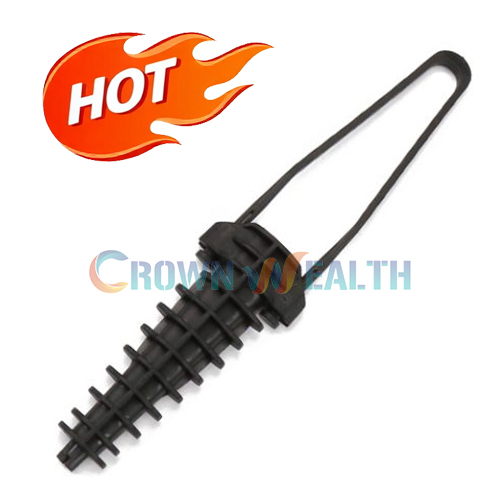
What are the special requirements for Spiral Vibration Dampers in high - speed rail systems?
In the realm of high - speed rail systems, every component plays a crucial role in ensuring the safety, efficiency, and reliability of the entire network. Among these components, Spiral Vibration Dampers stand out as essential protective fittings. As a supplier of Spiral Vibration Dampers, I have witnessed firsthand the unique demands that high - speed rail systems place on these devices.
1. Vibration Frequency Adaptability
High - speed trains generate a wide range of vibration frequencies due to their high - speed movement, the interaction between the wheels and the tracks, and the aerodynamic forces acting on the train. Spiral Vibration Dampers used in high - speed rail systems must be able to adapt to this complex vibration environment.
The vibration frequencies in high - speed rail can vary from low - frequency vibrations caused by the train's movement on the tracks to high - frequency vibrations generated by the engine and other mechanical components. A well - designed Spiral Vibration Damper Spiral Vibration Damper should have a broad frequency response range. It needs to effectively dampen vibrations across different frequency bands to prevent resonance, which can lead to increased wear and tear on the components, reduced lifespan of the equipment, and even pose a threat to the safety of the train operation.
For example, in a high - speed rail line where the trains operate at speeds of up to 350 km/h, the low - frequency vibrations may be in the range of 1 - 10 Hz, while the high - frequency vibrations can reach up to several hundred Hz. Our Spiral Vibration Dampers are engineered to handle this entire frequency spectrum. Through advanced design and the use of high - quality materials, we ensure that the dampers can absorb and dissipate the energy of vibrations at various frequencies, maintaining the stability of the high - speed rail system.
2. High - Speed and Aerodynamic Considerations
The high - speed nature of high - speed rail systems means that the Spiral Vibration Dampers are exposed to significant aerodynamic forces. These forces can affect the performance and durability of the dampers.
As the train moves at high speeds, the air flow around the components creates aerodynamic loads. The Spiral Vibration Dampers need to be designed in a way that minimizes the impact of these forces. A streamlined shape is often preferred to reduce drag and prevent the dampers from being dislodged or damaged by the high - speed air flow.
In addition, the high - speed movement can also cause vibrations due to the interaction between the air and the components. Our dampers are tested in wind tunnels to simulate the high - speed aerodynamic conditions. This allows us to optimize the design of the dampers to ensure that they can withstand the aerodynamic forces and continue to function effectively in the high - speed rail environment.
3. Environmental Resistance
High - speed rail systems operate in a variety of environmental conditions, including different temperatures, humidity levels, and exposure to pollutants. Spiral Vibration Dampers must be able to resist these environmental factors to maintain their performance over time.
In cold regions, the dampers need to be able to withstand low temperatures without becoming brittle. The materials used in the dampers should have good low - temperature flexibility to ensure that they can still function properly even in extremely cold weather. On the other hand, in hot and humid regions, the dampers need to resist corrosion and degradation caused by high humidity and temperature.
Our Spiral Vibration Dampers are made from high - quality materials that are resistant to environmental factors. For example, we use corrosion - resistant alloys and polymers that can withstand the effects of moisture, salt, and other pollutants. This ensures that the dampers have a long service life and can operate reliably in different environmental conditions.
4. Compatibility with Other Components
In a high - speed rail system, Spiral Vibration Dampers are not used in isolation. They need to be compatible with other components such as conductors, cables, and support structures.
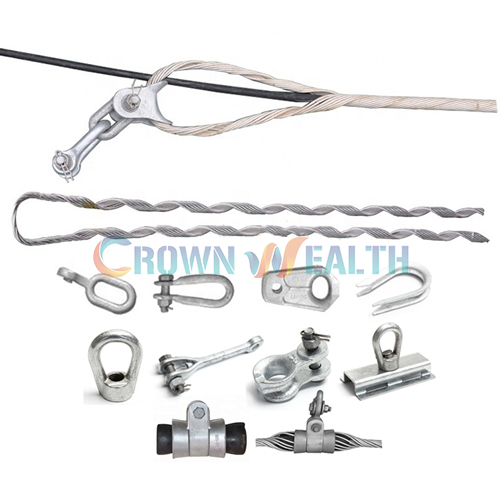
For instance, when used in conjunction with conductors, the dampers should not interfere with the electrical performance of the conductors. They should be designed in a way that allows for proper installation and connection without causing any damage to the conductors. Our Spiral Vibration Dampers are designed to be highly compatible with a wide range of conductors. We also offer Preformed Conductor Tension Set and Preformed End Guy Grips that can be used in combination with the dampers to ensure the overall stability and safety of the high - speed rail electrical system.


5. Safety and Reliability
Safety is of utmost importance in high - speed rail systems. Spiral Vibration Dampers need to be highly reliable to prevent any potential failures that could lead to accidents.
We conduct rigorous testing on our Spiral Vibration Dampers to ensure their safety and reliability. This includes mechanical testing to evaluate the strength and durability of the dampers, as well as functional testing to verify their vibration - damping performance. Our dampers are designed to meet or exceed the relevant safety standards and regulations for high - speed rail systems.
In addition, we also provide after - sales support to ensure that the dampers continue to operate safely and reliably throughout their service life. We offer regular maintenance and inspection services to detect any potential issues early and take appropriate measures to address them.
6. Easy Installation and Maintenance
In a high - speed rail system, where downtime for maintenance and installation is minimized, Spiral Vibration Dampers need to be easy to install and maintain.
Our dampers are designed with a user - friendly installation process. They can be quickly and easily installed on the relevant components without the need for complex tools or specialized skills. This reduces the installation time and cost, allowing for a more efficient deployment of the dampers in the high - speed rail system.
When it comes to maintenance, our dampers are designed for easy inspection and replacement. The modular design of the dampers allows for quick disassembly and reassembly, making it convenient to check the condition of the dampers and replace any worn - out parts.
Conclusion
In conclusion, Spiral Vibration Dampers in high - speed rail systems have a range of special requirements. From vibration frequency adaptability to high - speed and aerodynamic considerations, environmental resistance, compatibility with other components, safety and reliability, and easy installation and maintenance, every aspect is crucial for the proper functioning of the high - speed rail system.
As a supplier of Spiral Vibration Dampers, we are committed to meeting these special requirements. Our products are designed and manufactured with the highest quality standards to ensure that they can provide effective vibration damping solutions for high - speed rail systems.
If you are in the high - speed rail industry and are looking for reliable Spiral Vibration Dampers, we invite you to contact us for further discussions and procurement. We are ready to provide you with the best products and services to meet your specific needs.
References
- Railway Safety Standards Board. "Guidelines for Vibration Control in High - Speed Rail Systems".
- International Union of Railways. "Technical Specifications for High - Speed Rail Components".